
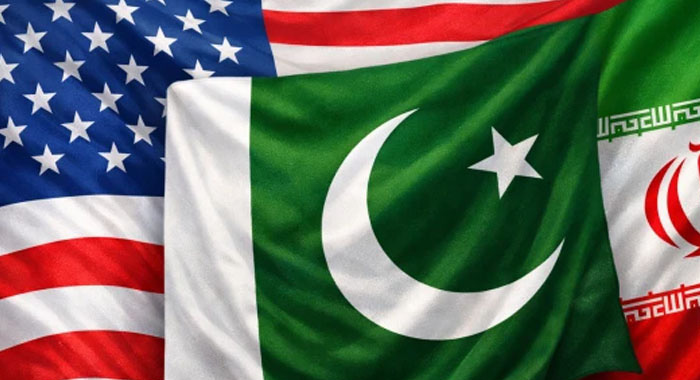
In a dramatic turn of events less than two hours before a critical US-imposed deadline, President Donald Trump announced a two-week ceasefire with Iran, deferring imminent military action and setting the stage for high-stakes negotiations in Islamabad. The announcement follows a coordinated diplomatic intervention by Shehbaz Sharif and Field Marshal Asim Munir, aimed at preventing further escalation and promoting regional stability.
According to US officials, the ceasefire applies to all parties involved, including Israel, which agreed to suspend its airstrikes on Iranian targets. The announcement came minutes after the Israeli military reported intercepted missiles launched from Iran toward Israeli territory.
President Trump confirmed that the ceasefire is contingent upon Iran’s agreement to lift its blockade of the Strait of Hormuz, a vital artery for approximately one-fifth of global oil shipments. In a statement posted on Truth Social, he described the agreement as a “double-sided ceasefire” and emphasized that the United States has achieved and exceeded its military objectives, making significant progress toward a long-term peace agreement with Iran.
“The United States and Iran have exchanged a 10-point proposal, which provides a workable foundation for negotiation,” Trump said. “Almost all prior points of contention have been addressed, and this two-week window will allow for the finalization and consummation of a definitive agreement. On behalf of the United States and representing Middle Eastern countries, it is an honor to bring this long-standing conflict closer to resolution.”
Iranian authorities confirmed that formal negotiations will commence on Friday, April 10, in Islamabad, facilitated by Pakistan. Talks are expected to cover key provisions, including the reopening of the Strait of Hormuz, sanctions relief, and the withdrawal of foreign combat forces from regional bases. Iranian state media described the ceasefire as a “step forward from a critical, sensitive stage” but emphasized that the process does not yet signal the end of hostilities.
The ceasefire and upcoming talks follow intense international diplomatic efforts, including Pakistan’s initiative and last-minute engagement by China urging flexibility and restraint. Iran reportedly approved the ceasefire under the guidance of its new Supreme Leader, Ayatollah Mojtaba Khamenei, amid concerns over potential economic and infrastructural damage from continued conflict.
The announcement had immediate market impact, with the US oil benchmark West Texas Intermediate (WTI) falling nearly seven percent, reflecting optimism over the possibility of de-escalation.
Prime Minister Shehbaz Sharif welcomed the ceasefire, highlighting Pakistan’s role in fostering dialogue. In a post on X, he called for all warring parties to observe the ceasefire and urged the Iranian leadership to reopen the Strait of Hormuz as a gesture of goodwill, emphasizing that diplomacy must be given an opportunity to achieve a lasting resolution.
“Pakistan earnestly hopes that the Islamabad Talks will succeed in delivering sustainable peace for the region and invites delegations from both countries to further negotiate and settle all disputes,” Sharif said.
The global reaction to the ceasefire has been swift, with the Pope describing threats against Iranian civilians as “unacceptable,” and international observers emphasizing the importance of adherence to international law and humanitarian norms. Meanwhile, US political figures and former allies of President Trump expressed deep concern over prior provocative statements, highlighting the unprecedented intensity of the conflict and the urgent need for measured leadership.
Pakistan has also engaged in continuous dialogue with regional partners, including Saudi Arabia, Turkiye, Egypt, and Morocco, reinforcing its commitment to promoting diplomatic solutions and regional stability.
The Islamabad Talks are expected to last up to 15 days and may be extended by mutual agreement, with the aim of finalizing a comprehensive peace agreement. Prime Minister Shehbaz Sharif described the talks as a “pivotal opportunity” to secure long-term stability, emphasizing Pakistan’s readiness to support a conclusive resolution that benefits the entire region.



