The declaration of emergency measures and Governor’s Rule in Khyber Pakhtunkhwa (KP) on October 11, 2026, marks a significant development in Pakistan’s ongoing efforts to address terrorism, restore stability and strengthen the writ of the state. The decision has brought renewed attention to the province’s security challenges and the need for a coordinated national response to the threats confronting its people.
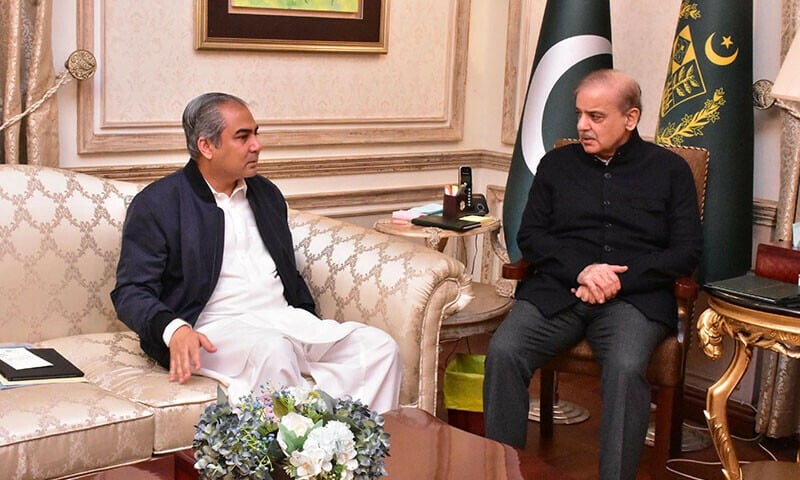
The federal government has justified the intervention on the grounds of the deteriorating law-and-order situation and concerns regarding the effectiveness of the provincial government’s counterterrorism efforts. According to the information provided, the constitutional process involved Articles 232 and 234, approval by President Asif Ali Zardari, the transfer of executive authority to the governor, the formation of an 11-member advisory council and special administrative arrangements for 12 districts. The precise constitutional basis and legal details should be verified against official notifications before publication.
At a time when terrorism continues to threaten the lives of citizens, the safety of security personnel and the stability of vulnerable districts, the state has a fundamental responsibility to take effective measures to protect the country and its people. The central issue is therefore not merely an administrative change. It is whether the new arrangements can strengthen coordination, improve governance, support security institutions and accelerate progress towards sustainable peace in Khyber Pakhtunkhwa.
The protection of citizens is among the most fundamental responsibilities of the state. When terrorist violence threatens public safety and undermines normal life, the government must ensure that the relevant institutions possess the authority, resources and coordination necessary to respond effectively. Khyber Pakhtunkhwa has experienced years of militancy, insecurity, displacement and economic disruption. Numerous communities have endured the consequences of violence, while members of the security forces have continued to confront serious threats in the performance of their duties. These circumstances demand a comprehensive response that places national security, public safety and institutional effectiveness at the forefront. Governor’s Rule creates an opportunity for the federal authorities and the governor to review administrative arrangements, improve coordination between relevant institutions and ensure that security priorities receive sustained attention. Its effectiveness, however, must be demonstrated through measurable improvements on the ground.
The restoration of peace requires consistent action against terrorist networks, better intelligence coordination, effective policing, strengthened civilian administration and cooperation among all relevant institutions. The objective must be clear: every citizen should be able to live, work, travel and pursue an education without fear of terrorist violence. Pakistan’s experience demonstrates that counterterrorism is a complex national challenge requiring both immediate security measures and sustained institutional development. Security operations can disrupt militant networks, prevent planned attacks, recover areas affected by violence and strengthen the state’s presence. However, lasting stability also depends on effective administration, accessible justice, community cooperation, economic opportunities and the restoration of essential public services. The experience of Swat following the military operation of 2009–10 offers an important lesson. Reclaiming territory from armed groups was a necessary step, but the consolidation of peace also required the return of displaced families, rehabilitation, reconstruction and the restoration of civilian institutions. This experience underscores the importance of connecting security operations with effective governance. Pakistan should continue strengthening its counterterrorism capabilities while regularly evaluating the effectiveness of its policies. Intelligence-based operations must be assessed according to their outcomes, including the prevention of attacks, disruption of militant networks, protection of civilians and reduction in security-related casualties. During a recent discussion about the situation in Khyber Pakhtunkhwa, concerns were raised regarding approximately 32,000 intelligence-based operations and whether existing efforts had delivered lasting security.
This figure and the associated assessment require independent verification and should not be interpreted as proof that every operation was unsuccessful. Nevertheless, the wider question remains important: how can the country ensure that operational achievements translate into durable peace? The answer lies in improved intelligence sharing, institutional coordination, professional training, effective follow-up and consistent evaluation of security outcomes. A successful counterterrorism strategy must be judged not only by the actions taken but also by the threats prevented, the communities protected and the stability achieved. The security challenges confronting Khyber Pakhtunkhwa have developed alongside persistent political differences between the federal government and the provincial leadership associated with Pakistan Tehreek-e-Insaf. These differences have raised questions about coordination, administrative responsibility and the management of security priorities. National security requires cooperation among federal ministries, provincial authorities, intelligence agencies, police departments, the military and district administrations.
These institutions have distinct responsibilities, but their efforts must contribute to a coherent national strategy. Governor’s Rule places additional responsibility on the federal administration to ensure that the new arrangements produce effective coordination and tangible results. At the same time, all political stakeholders have a responsibility to place the safety of citizens above partisan considerations. Political differences are an ordinary feature of democratic life, but they should not become obstacles to cooperation on matters involving human life and national security. The priority must be to establish clear responsibilities, strengthen information sharing, coordinate resources and ensure that security institutions receive the support necessary to perform their duties. Accountability and institutional cooperation should proceed together. Where shortcomings are identified, they should be examined through evidence and appropriate legal and administrative procedures. The same standards of transparency and responsibility should apply to all relevant institutions. A unified national approach can help ensure that security decisions are implemented consistently and that administrative arrangements remain focused on protecting the people. The effectiveness of Governor’s Rule will depend on the quality of its implementation.
The administration should establish clear objectives, identify priority areas, improve coordination among departments and regularly assess progress. Security measures should be accompanied by efficient public services, effective district administration and attention to the needs of communities affected by terrorism. The decision also places a responsibility on the authorities to communicate their objectives clearly and maintain public confidence through transparent reporting. Citizens should be informed about verified developments, improvements in security arrangements and the steps being taken to address persistent threats. Accurate communication is particularly important during periods of heightened tension, when rumours and unverified reports can create unnecessary anxiety. The government should also ensure that emergency arrangements remain consistent with the applicable constitutional and legal framework.
The purpose of extraordinary administrative measures must be to improve public safety, strengthen institutions and restore normal life. Their success should therefore be evaluated against practical outcomes rather than administrative changes alone. A safer province, more effective governance and stronger public confidence would provide meaningful indicators of progress. The information discussed regarding the security situation included reports of violence in Kurram and another location whose name was rendered unclearly in the original transcript. The discussion also referred to the reported death of a Naib Subedar belonging to Gilgit-Baltistan and an operation in which approximately 10 militants or Taliban fighters were reportedly killed, according to information attributed to a government source. However, the reported operational outcome had not been officially confirmed at the time of the discussion. These details must therefore be verified through reliable official sources before being presented as established facts. The reports nevertheless highlight the continuing security challenges faced by the province and the risks confronting personnel engaged in counterterrorism operations.
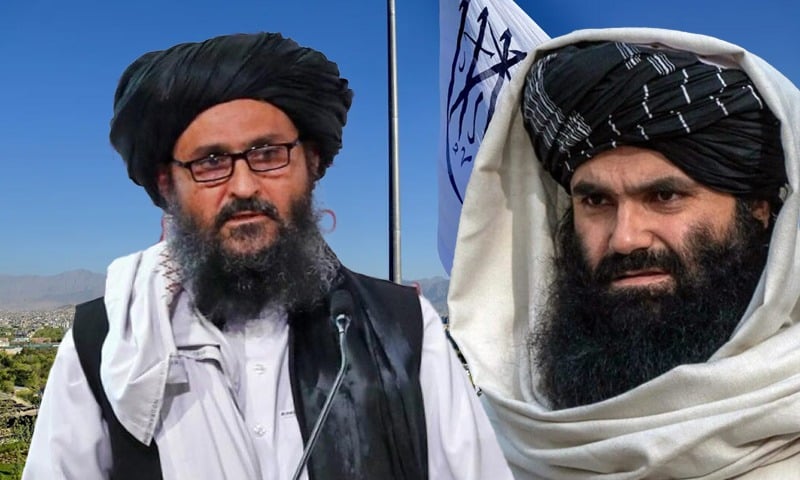
The sacrifices of security personnel and the suffering of affected communities reinforce the need for effective security arrangements, timely intelligence and a sustained commitment to preventing further violence. The relevant authorities should provide accurate updates when information has been verified, while safeguarding sensitive operational details. The public has a legitimate interest in understanding the security situation, and responsible communication can strengthen confidence in the institutions working to protect the country. The situation in Khyber Pakhtunkhwa cannot be considered in isolation from Pakistan’s relationship with Afghanistan. Pakistan has repeatedly raised concerns about the presence and activities of militant groups, particularly the Tehreek-e-Taliban Pakistan (TTP), and the alleged use of Afghan territory to facilitate attacks against Pakistan.
Afghan authorities have disputed aspects of these allegations and maintained that Afghan territory should not be used to threaten other countries. These differences have become a significant challenge in bilateral relations. Pakistan has a legitimate responsibility to protect its citizens and prevent terrorist groups from using cross-border networks to threaten its security. The government must continue pursuing credible assurances and practical cooperation to address these concerns. At the same time, diplomatic engagement remains important to reducing tensions, preventing misunderstandings and establishing mechanisms for addressing security incidents. A comprehensive approach should combine effective domestic security measures with clear diplomatic objectives. Both are necessary to address the different dimensions of a cross-border security challenge. Improved relations would also create opportunities to strengthen trade, restore commercial confidence and reduce the economic costs associated with prolonged border tensions. Pakistan’s regional strategy should therefore remain firm on security requirements while continuing to pursue constructive engagement wherever it can produce verifiable results.
The pursuit of dialogue should be understood as a complementary instrument of national security rather than a substitute for effective action against terrorism. When international efforts encounter difficulties, structured diplomatic engagement and carefully defined negotiations can help identify practical areas of agreement. Pakistan should continue communicating its security requirements clearly and seek credible commitments from the Afghan authorities regarding the prevention of cross-border attacks.
Such engagement could include regular consultations, information-sharing arrangements, procedures for reviewing security incidents and mechanisms for maintaining communication during periods of tension. The objective should be to reduce the space available to terrorist networks while preventing disputes between the two countries from escalating unnecessarily.
Dialogue does not require the state to compromise on its security or sovereignty. Rather, it can provide an additional means of advancing national interests and reducing the risks associated with prolonged confrontation. At the domestic level, political consultations should also be encouraged to strengthen coordination between federal and provincial institutions and establish a common understanding of security priorities.
A consistent national strategy, supported by effective institutions and responsible political engagement, can provide a stronger foundation for lasting stability. The people of Khyber Pakhtunkhwa deserve a secure environment in which schools can function, businesses can operate, markets can remain active and families can pursue their livelihoods without fear. Security measures must therefore be accompanied by effective governance and sustained attention to local needs. The administration should prioritise the functioning of essential public services, strengthen civilian law enforcement, support affected communities and ensure that residents have access to appropriate channels for reporting threats.
Economic recovery is also important. Prolonged insecurity discourages investment, disrupts trade and places additional pressure on households and businesses. Improving security can help create the conditions necessary for economic activity and social development. Public cooperation is an important element of sustainable counterterrorism. Communities are more likely to support security initiatives when institutions are responsive, public services are accessible and citizens have confidence that their concerns will be addressed.
The government should therefore seek to build a relationship with the people based on protection, accountability and effective service delivery. The restoration of peace must ultimately be reflected in the everyday experiences of citizens. The declaration of emergency measures and Governor’s Rule in Khyber Pakhtunkhwa represents a significant administrative development amid persistent security challenges. The state’s responsibility is to ensure that this development contributes to stronger security coordination, more effective governance and a sustained reduction in terrorist violence. Achieving these objectives will require continued support for security institutions, improved intelligence coordination, cooperation among relevant authorities and a clear strategy for addressing cross-border threats.
Political stakeholders should work constructively to ensure that national security remains a shared priority. Administrative arrangements should be implemented transparently, responsibilities should be clearly defined, and progress should be measured through verifiable outcomes. Pakistan must also continue pursuing a regional approach that protects its sovereignty and citizens while keeping diplomatic channels open to address outstanding security concerns.
The challenges confronting Khyber Pakhtunkhwa are serious, but they also reinforce the importance of strong institutions, coordinated leadership and a consistent national commitment to peace. Governor’s Rule should be assessed according to its ability to improve security, strengthen governance and restore public confidence. The ultimate objective must remain the protection of human life, the preservation of national stability and the creation of conditions in which the people of Khyber Pakhtunkhwa can live with security and dignity.
When national security is challenged, the writ of the state must prevail. The real measure of success is a safer Khyber Pakhtunkhwa, stronger institutions and lasting peace for the people of Pakistan.