
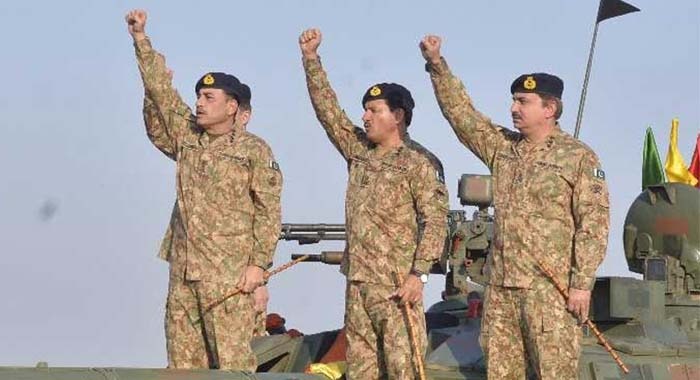
Pakistan’s emergence as a positive and constructive actor on the international stage has garnered global recognition, particularly following the country’s military successes and continued diplomatic initiatives. In May 2025, the Pakistan Armed Forces achieved a historic victory against India, a nation four times larger, which earned worldwide acknowledgment of the Pakistan military’s operational capabilities. From the United States to the United Kingdom, international observers praised Pakistan’s strategic and combat proficiency.
The triumph against India has reinforced Pakistan’s standing in the global community, elevating its influence not only in military affairs but also in diplomatic negotiations. The professional skills of Field Marshal General Asim Munir have been particularly recognized, with U.S. President Donald Trump reportedly expressing admiration for his military acumen. This acknowledgment reflects the broader respect Pakistan commands in regional and international security matters.
Building on this enhanced stature, Pakistan has been invited to participate in high-level negotiations aimed at de-escalating tensions between the United States and Iran. The proposed talks are scheduled to commence in Istanbul, Turkey, and will include key regional partners such as Saudi Arabia, Qatar, Oman, Egypt, and the UAE. These discussions focus on preventing a potential military conflict over Iran’s nuclear program, which remains a source of concern for regional stability, global energy security, and the international economy.
Pakistan’s foreign policy emphasizes mediation and constructive dialogue. Islamabad maintains that any escalation between Washington and Tehran could have severe consequences for both the Middle East and the broader international community. Pakistan has historically engaged in “back-channel” diplomatic efforts to reduce U.S.–Iran tensions, a role that has been recognized and appreciated by both parties.
The current situation is further complicated by the aggressive posture of U.S. President Donald Trump, who has repeatedly signaled potential military action against Iran, including regime change objectives and securing strategic oil reserves. Iran, meanwhile, asserts its right to nuclear capability for peaceful and defensive purposes and expresses cautious willingness to engage in negotiations, though skepticism about U.S. intentions remains high.
In parallel with its international diplomatic engagement, Pakistan continues to face internal security challenges, as demonstrated by recent coordinated terrorist attacks in Balochistan, where militants simultaneously targeted 12 locations. These attacks signal the ongoing resilience and organizational capacity of terrorist groups, despite Pakistan’s counterterrorism operations that have eliminated hundreds of militants. Swift responses by the Pakistan Armed Forces and intelligence agencies successfully neutralized the assaults, but the scale and coordination of the attacks underscore persistent security vulnerabilities that demand ongoing vigilance and strategic countermeasures.
Pakistan’s dual role serving as a constructive diplomatic intermediary internationally and a robust defender of national security domestically highlights the country’s evolving significance in global and regional affairs. As diplomatic efforts progress in Istanbul, Pakistan remains committed to facilitating dialogue, reducing tensions, and promoting peace, while simultaneously maintaining unwavering focus on protecting its citizens and territorial integrity.



