
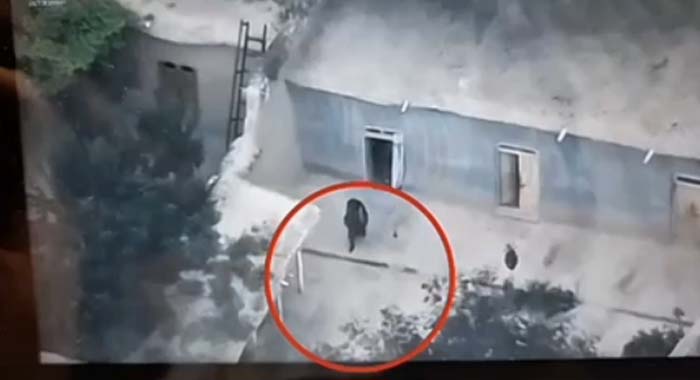
Reported video footage from Bajaur has raised serious concerns over the alleged use of civilian homes, women and children as human shields by elements identified as Fitna al-Khawarij. The footage reportedly shows Khawarij personnel using residential properties for cover in areas where civilians, including children, are present, placing local families at potential risk amid ongoing security concerns.
The reported evidence has renewed attention to the dangers faced by ordinary residents when armed elements operate from within populated areas. Using civilian homes as cover, if established, can expose innocent people to the risk of injury or death, damage residential property, and complicate efforts by security forces to distinguish armed personnel from civilians.
The central concern is the safety of Bajaur’s residents, particularly children and women who may have little control over the circumstances in which armed individuals enter or occupy their neighbourhoods.
The footage warrants careful examination to establish the identities of those involved, the circumstances in which the recordings were made, and whether civilian homes were deliberately used to shield armed personnel from security operations.
Residential properties are places of safety for families, not positions to be exploited by armed groups. When Khawarij elements allegedly use occupied homes as cover, the consequences can extend far beyond the individuals directly involved in armed activity.
Children, women, older residents and other civilians may find themselves caught in dangerous situations without having any connection to the activities taking place around them. Their presence can also complicate security operations, increasing the risks faced by both residents and responding personnel.
The reported footage from Bajaur raises precisely these concerns. If the conduct shown is independently verified, it would underscore the serious risks created when armed elements operate from within civilian residential areas.
Civilians must not be treated as instruments of protection for armed personnel. Their safety and their right to live free from intimidation and violence must remain paramount. The reported presence of children and women in homes allegedly being used by Khawarij elements makes the situation particularly concerning.
Children are especially vulnerable during armed confrontations because they may not understand the danger around them or have the ability to leave an unsafe location independently. Women and other household members may likewise be unable to prevent armed individuals from entering or occupying their homes.
No family should be forced to face the consequences of armed activity taking place inside or around its residence.
The alleged use of civilians as human shields is a grave concern under international humanitarian law. Where the law of armed conflict applies, deliberately using the presence or movement of civilians to shield military objectives or operations from attack is prohibited.
Determining whether a specific incident meets that legal definition requires reliable evidence about the conduct, circumstances and intentions of those involved. Nevertheless, the reported footage highlights the importance of protecting civilians and ensuring that their presence is never deliberately exploited for military advantage. The alleged use of residential properties by Khawarij elements creates a dangerous situation for communities in Bajaur.
When armed individuals operate from occupied homes or densely populated neighbourhoods, residents may face heightened risks during security operations. Families can be exposed to crossfire, property damage, displacement and psychological distress.
Such circumstances also create difficult operational challenges for security personnel, who must take feasible precautions to minimise harm to civilians while responding to security threats.
The protection of civilian life must remain a central consideration in every security operation. Equally, armed groups must not exploit the presence of innocent residents to shield themselves from legitimate security action.
The reported footage should therefore be assessed not only in terms of the alleged conduct of the individuals shown, but also in terms of the risks imposed on the surrounding community.



