
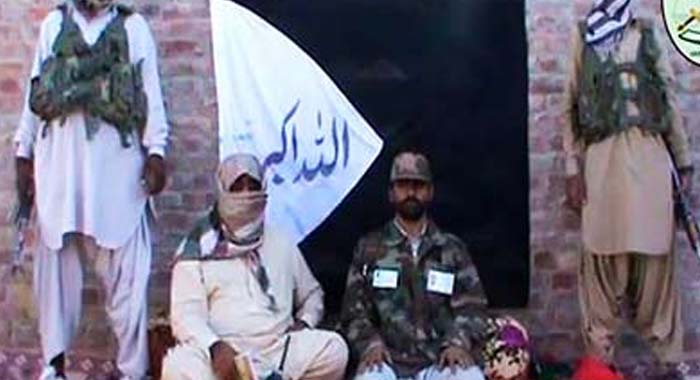
Iran’s Baluch minority has long existed at the margins of political and social life, enduring decades of systemic neglect and repression. On December 10, this longstanding discontent coalesced in a new, potentially consequential development: several Iranian Baluch separatist groups announced the formation of the Popular Fighters Front (JMM), a coalition aimed at unifying armed and political resistance across Sistan and Baluchistan. The formation of JMM is not just a merger of existing factions it is an effort to consolidate decades of localized militancy under a single banner, signaling both organizational maturation and heightened ambitions.
In a five-minute video released on social media, JMM’s masked spokesperson, Mahmoud Baluch, outlined the coalition’s objectives. Citing “systemic oppression” of the Baluch people under Iran’s velayat-e faqih system, he emphasized the urgency of unity among resistance forces to increase the effectiveness of their struggle. The group’s manifesto, circulated online, highlights a broad spectrum of constituent entities from the PADA Baluch movement, founded in 2017 to promote Baluch identity, to the decades-old Mohammad Rasulullah military faction. Armed groups such as Jaish al Adl, notorious for attacks on the Iranian Revolutionary Guard Corps (IRGC), are also part of the coalition, along with a category of “self-organized Baluch fighters,” representing local actors now being formalized under the JMM umbrella.
The coalition’s symbolism reflects a deliberate effort to fuse cultural identity with militancy. The JMM logo incorporates a book to signify awareness, a fist for informed resistance, Baluch embroidery to honor heritage and fallen fighters, leaves for peace, and a crescent to evoke local tradition all framed within a shield representing defense of dignity against repression. Beyond imagery, the manifesto signals a multi-pronged approach: media, political, diplomatic, cultural, and social activities will accompany armed operations, suggesting an intent to cultivate both local legitimacy and broader attention to their cause.
However, the coalition’s rhetoric presents a complex and somewhat contradictory narrative. While emphasizing Baluch ethnic grievances and the denial of basic rights in Sistan and Baluchistan, it simultaneously appeals to nationwide unity, framing the struggle in terms of the rights of all Iranians. This duality could reflect an attempt to broaden appeal, yet it also underscores inherent tensions between separatist and national objectives a challenge that may shape JMM’s political and operational trajectory.
Operationally, the group has already demonstrated its willingness to strike. On the day of its formation, the IRGC’s regional Qods Headquarters reported clashes in the Lar area of Zahedan, resulting in four casualties among its ground forces. JMM claimed responsibility for the operation, underscoring that the coalition is not merely symbolic but actively engaged in armed resistance.
The emergence of JMM must also be viewed within the broader context of Sunni Baluch militancy. Groups such as Jaish al Adl have long capitalized on historic grievances, particularly the chronic underdevelopment of Baluchistan, the harsh reprisals during the 2022 nationwide protests including the infamous “Bloody Friday” killings and the socio-economic marginalization of the region. These conditions have made the province a persistent flashpoint in Iran’s internal security landscape.
Yet, JMM’s formation raises critical questions about the future trajectory of Baluch militancy. By consolidating previously fragmented groups, the coalition may achieve operational efficiency and greater visibility, but it also risks intensifying repression from Tehran. Moreover, the dual messaging simultaneously separatist and nationalist—may complicate its relationships with other opposition forces and local communities, shaping both its effectiveness and long-term credibility.
Ultimately, the Popular Fighters Front represents a significant evolution in Iran’s Baluch insurgency. It signals a strategic maturation from fragmented militancy toward coordinated political and military activism. For policymakers, analysts, and observers of Iranian domestic politics, JMM’s emergence underscores that longstanding ethnic grievances, if left unaddressed, can catalyze more organized and politically sophisticated opposition movements, with consequences that may reverberate far beyond the borders of Sistan and Baluchistan.



