
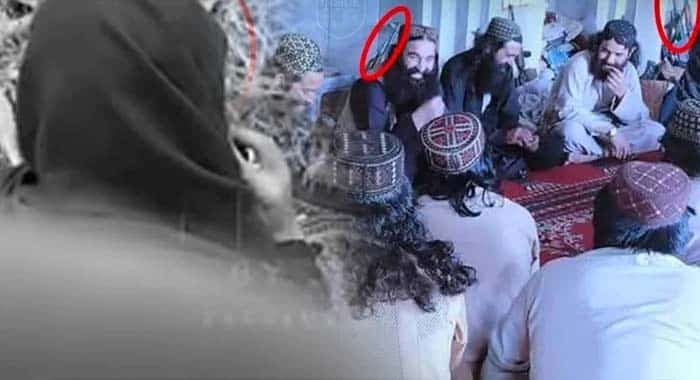
The use of mosques by terrorists as operational cover has once again come under scrutiny after a disturbing audio clip surfaced from Khyber Pakhtunkhwa’s Bajaur district, exposing a calculated attempt by the banned Tehreek-e-Taliban Pakistan (TTP) to exploit religious sanctuaries for violent purposes and propaganda.
According to details, the recent surge in terrorist activity in Bajaur, including cross-border infiltration attempts and subsequent shelling after failures, is being linked to external backing and facilitation, with security observers pointing towards hostile networks seeking to destabilize the region.
A video circulating on social media provides fresh evidence of this strategy. In the clip, a TTP commander, described as Fitna al-Khwarij, is heard instructing an associate identified as “Zabal” to move operatives to a village mosque. The commander claims to have coordinated with the local prayer leader and directs the group to rest and stay inside the mosque instead of traditional hujra. The instructions go beyond logistical convenience. The commander explicitly emphasizes that staying inside the mosque serves a dual purpose: operational shelter and strategic manipulation. He warns against using hujras and insists that mosques offer an advantage, stating that any action by security forces, including drone strikes or bombardment, would trigger backlash among local tribes and damage the reputation of state institutions.
This calculated misuse of sacred spaces highlights a broader pattern where terrorists attempt to weaponize religious sentiment, not only to shield their presence but also to engineer narratives against Pakistan and its law enforcement agencies.
Security analysts note that such tactics are not new, but the clarity of intent in this audio underscores the deliberate nature of these actions. The exploitation of mosques, revered as places of worship, reflects the extent to which terrorist groups are willing to violate religious sanctity for strategic gains.
Despite these tactics, public response across Pakistan has consistently rejected such manipulation. The nation has repeatedly demonstrated unity against terrorism, standing firmly with its armed forces and law enforcement agencies.
A recent large-scale rally in Bannu serves as the latest example of this resolve, where citizens came together to denounce terrorism and reaffirm their commitment to defending the country against all threats.



