
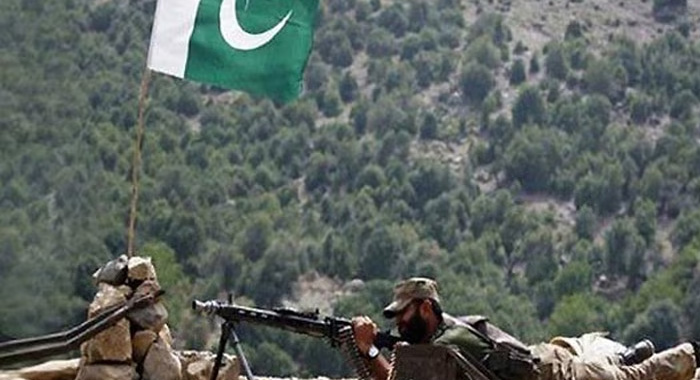
As Pakistan continues to face deadly terrorist attacks allegedly originating from Afghan territory, questions are intensifying among policymakers, security analysts, and the general public over why Islamabad has not yet resorted to cross-border military strikes.
The debate has grown sharper in the wake of repeated and coordinated assaults, including major attacks in Balochistan, that have heightened national security concerns. Despite mounting casualties and public frustration, Pakistan has so far refrained from direct military action inside Afghanistan.
According to informed sources, one key factor behind this restraint has been ongoing diplomatic engagement between Islamabad and Kabul. The Afghan Taliban, reportedly through a third country, have sought time to address the threat posed by Tehreek-e-Taliban Pakistan (TTP) from within Afghan territory.
Both direct and indirect channels of communication have remained active, aimed at preventing escalation into a broader conflict. This quiet diplomacy has temporarily delayed military action, even as frustration within Pakistan grows with each successive attack.
Some observers and commentators caution that cross-border strikes could inflame anti-Pakistan sentiment among ordinary Afghans and risk strengthening hard-line factions rather than isolating militant networks. These considerations have influenced decision-making at the highest levels, tempering immediate calls for military intervention.
However, official rhetoric has hardened in recent weeks. Defence Minister Khawaja Asif has publicly stated that Pakistan can no longer tolerate terrorism emanating from Afghan soil, signaling that military options remain under active consideration.
Security analysts note that continued attacks have reinforced the perception that diplomatic efforts alone have been insufficient to dismantle TTP infrastructure. The situation has intensified pressure on decision-makers to adopt a more assertive response.
Further strengthening Pakistan’s position, the United Nations Security Council’s sanctions monitoring committee has confirmed that TTP and affiliated networks continue to operate inside Afghanistan. These findings lend international weight to Pakistan’s longstanding concerns and may limit global criticism should targeted counterterrorism measures be pursued.
Any cross-border operation would carry significant operational and humanitarian risks. Reports indicate that militant elements have relocated deeper into populated areas, complicating the possibility of precision strikes and increasing the risk of civilian casualties. Such dynamics elevate the stakes of any potential military response.
Nonetheless, Islamabad’s strategic space appears to be narrowing. With attacks persisting and diplomatic engagement yielding limited visible results, pressure is mounting for decisive action unless Afghan authorities take credible and verifiable steps to dismantle TTP infrastructure.
The coming months are expected to be pivotal. Pakistan faces the complex challenge of protecting its citizens and preserving national sovereignty while avoiding wider regional destabilization. Policymakers must weigh the immediate need for security against the long-term consequences of escalation.
What is increasingly clear is that the current status quo is viewed by many within Pakistan as unsustainable. Whether through intensified diplomacy or calibrated counterterrorism measures, decisive developments are anticipated as Islamabad reassesses its options in response to the evolving threat landscape.



