
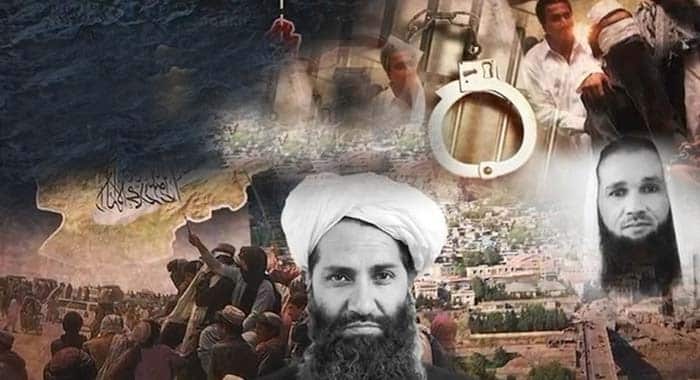
Serious internal divisions have reportedly emerged within the Taliban leadership, as tensions between the group’s central command and local commanders in Badakhshan province have surfaced amid disputes over control of mineral resources and rising public unrest.
According to media reports, the situation in Badakhshan has escalated following growing disagreements over the management and control of the province’s natural resources, coupled with increasing public protests. The unrest is said to have prompted Taliban leader Mullah Hibatullah Akhundzada to issue strict directives aimed at restoring control and enforcing discipline within the ranks.
Sources indicate that a high-level delegation has been formed to investigate the assets and activities of dissenting Taliban commanders and local officials. Reports further suggest that commanders found violating orders have been warned of possible arrest, as the central leadership moves to tighten its grip over the province.
In response to the ongoing tensions, additional specialized security units have reportedly been deployed in Badakhshan to contain what is being described as internal dissent and protest activity. The measures come amid indications of growing friction between central authorities and local power structures within the Taliban administration.
Media reports also suggest that the so-called “Kandahar group” has initiated arrests targeting disgruntled Taliban-linked figures from Badakhshan, as part of efforts to consolidate control and suppress internal opposition.
Among those reportedly detained are local Taliban commander Musa Kaka and former Mines Director Islamuddin, who are said to have been taken to undisclosed locations. However, these reports have not been independently verified.
Analysts and international observers cited in media reports suggest that the developments in Badakhshan reflect widening political and ethnic divisions within the Taliban structure. The tensions are believed to be linked not only to resource control but also to broader disagreements over governance, authority, and regional influence.
Experts further note that emerging resistance movements both within Afghanistan and across borders are increasingly challenging the Taliban’s claims of centralized control and broad-based legitimacy.
The situation in Badakhshan is being viewed by observers as a significant indicator of internal strain within the Taliban system, raising questions about cohesion, command authority, and the group’s ability to manage competing internal factions while addressing mounting economic and governance pressures.
The reported internal disputes come at a time when Afghanistan continues to face complex political, security, and humanitarian challenges. The developments in Badakhshan add to concerns over internal stability and the evolving balance of power within the country’s ruling structure.
As the situation unfolds, further clarity is expected regarding the extent of internal divisions and the implications for governance and security in the region.



