Yusufzai Aqib

Inside the Reawakening: How the TTP Returned, Recruited, and Reignited Its Terror Campaign Across Pakistan After 2021

The Tehrik-e-Taliban Pakistan (TTP) has returned to the forefront of regional militancy more organised, more ambitious, and more embedded than ever before. Once scattered and fractured, the group has, over the past few years, rebuilt itself into the most potent anti-state force operating in Pakistan today. Its resurgence is not accidental, but the result of […]
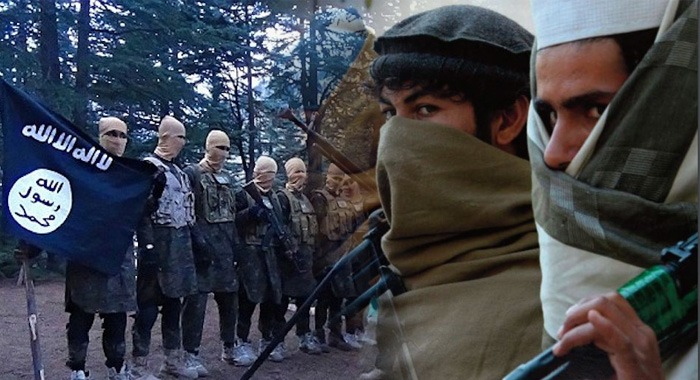
Inside the Reawakening: How the TTP Returned, Recruited, and Reignited Its Terror Campaign Across Pakistan After 2021 Read More »

ISKP’s Evolving Soft Terror Strategy: How the Group Uses Propaganda and Preacher Killings to Disrupt Pakistan’s Religious Harmony?

Over the past few years, the Islamic State Khorasan Province (ISKP) has demonstrated a marked shift in its strategy, intensifying both its ideological and operational focus inside Pakistan. This shift is evident not only in the group’s increasing number of high-profile attacks, but also in its targeted propaganda campaigns, cross-border recruitment methods, and evolving tactics

ISKP’s Evolving Soft Terror Strategy: How the Group Uses Propaganda and Preacher Killings to Disrupt Pakistan’s Religious Harmony? Read More »

No Peace for the Apostates: How ISKP Is Waging Sectarian Terror to Dismantle the Taliban?

As Afghanistan reels from the fallout of U.S and allied troop withdrawals, one militant group has emerged more emboldened, brutal, and ideologically rigid than ever before: the Islamic State Khorasan Province (ISKP). A branch of the Islamic State operating in Central and South Asia, ISKP poses a grave and growing threat not only to Afghan

No Peace for the Apostates: How ISKP Is Waging Sectarian Terror to Dismantle the Taliban? Read More »

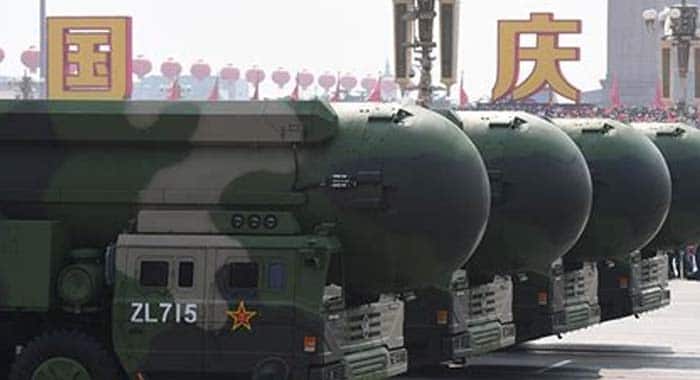
Artificial Intelligence and the Shadow of the Atom: How China Sees the Rising Risk of Nuclear Escalation

In April 2025, Zhang Gaosheng, a scholar at the China Institute of International Studies, published a striking analysis warning that the increasing integration of artificial intelligence into nuclear command, control, and communications (NC3) systems could significantly raise the risk of nuclear escalation. While senior leaders in both Washington and Beijing have publicly agreed to keep

Artificial Intelligence and the Shadow of the Atom: How China Sees the Rising Risk of Nuclear Escalation Read More »

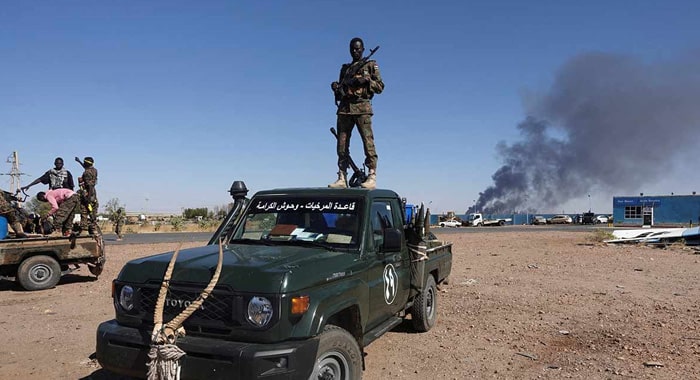
After the Fall of Khartoum: How Sudan’s Civil War Threatens to Ignite a Full-Blown Regional Collapse

As Sudan’s devastating civil war enters its third year, hopes for resolution are dimming. Far from winding down, the conflict is escalating geographically, militarily, and politically. The Sudanese army’s recapture of Khartoum in March 2025 marked a dramatic turning point, but instead of opening a path to peace, it has emboldened both sides to dig

After the Fall of Khartoum: How Sudan’s Civil War Threatens to Ignite a Full-Blown Regional Collapse Read More »

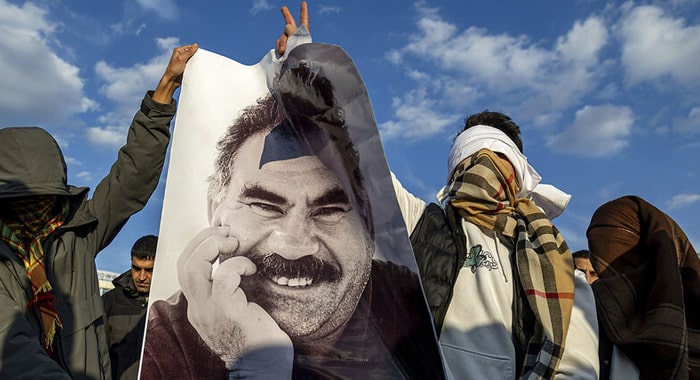
Disarming Terror: What the PKK’s Historic Shift Means for Türkiye and the Region

The announcement by the Kurdistan Workers’ Party (PKK) to disarm and disband after more than four decades of armed struggle marks a historic inflection point in Türkiye’s battle against terrorism—and raises as many questions as it answers. While the Turkish government hails this development as a hard won success against terrorism, many remain sceptical of

Disarming Terror: What the PKK’s Historic Shift Means for Türkiye and the Region Read More »

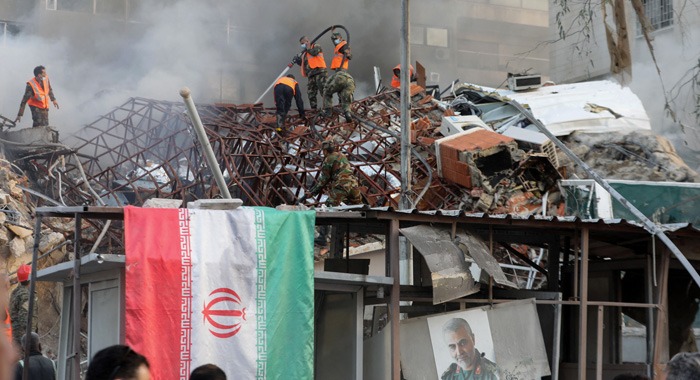
Iran’s Global Shadow War: How Tehran Exports Espionage and Violence Across Europe

The Islamic Republic of Iran has long been accused of operating in the shadows, orchestrating intelligence operations against political dissidents, journalists, and foreign adversaries. But in 2025, that shadow appears darker and more extensive than ever before stretching from the Nordic frontiers to the heart of Europe, leaving behind a trail of threats, covert violence,

Iran’s Global Shadow War: How Tehran Exports Espionage and Violence Across Europe Read More »

War Without Borders, Weapons Without Barrels: The Rise of Digitally Engineered Terror in the Militant Playbook

The global arms race is no longer limited to nations or organised armies it is being quietly revolutionised in garages, bedrooms, and basements, thanks to affordable 3D-printing technology. The implications are profound, especially as signs emerge that Islamist militants, long wedded to traditional modes of violence, are now turning their attention to 3D-printed firearms (3DPFs).

War Without Borders, Weapons Without Barrels: The Rise of Digitally Engineered Terror in the Militant Playbook Read More »

Pakistan Takes a Bold Stand Against Militancy: Why the Ban on the Zainebiyoun Brigade Signals a New Era in National and Regional Security

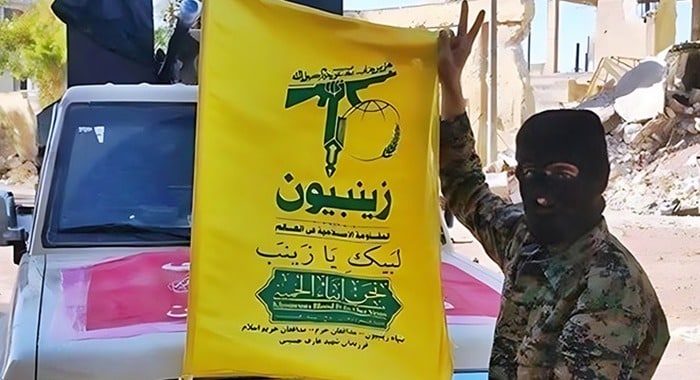
On April 11, 2024, Pakistan proscribed the Iran backed Zainebiyoun Brigade and designated it a terrorist organisation a decisive move that reflects Islamabad’s urgent need to secure its domestic stability and manage the fallout of intensifying regional rivalries. Though the timing of the ban just a day after Iran’s Supreme Leader Ayatollah Ali Khamenei vowed

Pakistan Takes a Bold Stand Against Militancy: Why the Ban on the Zainebiyoun Brigade Signals a New Era in National and Regional Security Read More »

Taliban’s Double Game Fuels Regional Realignments as Pakistan and Allies Rewrite Southern Asia’s Security Rules

Southern Asia is undergoing a seismic shift in its security architecture  one that is not being shaped in Washington, but in Islamabad, Tehran, Kabul, and Beijing. As American influence continues to recede following the 2021 withdrawal from Afghanistan, a new reality is emerging: regional powers are redrawing the security map on their own terms, spurred

Taliban’s Double Game Fuels Regional Realignments as Pakistan and Allies Rewrite Southern Asia’s Security Rules Read More »

Scroll to Top