
The growing menace of narcotics trafficking, illegal arms smuggling and cross-border criminal networks originating from Afghanistan under the Taliban regime continues to pose a serious threat to regional security, with neighbouring countries increasingly confronting the spillover effects of instability and illicit activities emanating from Afghan territory.
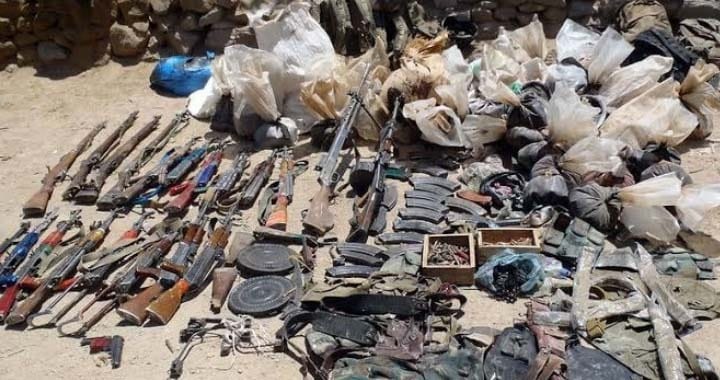
In the latest incident highlighting these growing security concerns, Iranian border guards successfully foiled an attempt to smuggle narcotics and weapons from Afghanistan across the Taybad border, preventing a potentially dangerous cross-border trafficking operation.
According to Iranian news agency SNN and Afghan news outlet Afghanistan International, Iranian border guards intercepted an armed group of Afghan smugglers attempting to transport narcotics and weapons across the Iranian border in the Taybad area.
During the operation, Iranian forces recovered more than 55 kilograms of narcotics, along with weapons, from the smugglers.
According to the reports, an exchange of fire took place between Iranian border guards and the armed smugglers, following which the suspects abandoned their motorcycles and illicit cargo before fleeing the scene.
The incident underscores the persistent challenges confronting regional border security forces in countering organised smuggling networks operating along Afghanistan’s porous borders.
The scale of the narcotics threat is further reflected in figures attributed to a United Nations report. According to the cited report, Iranian authorities seized 3,663 kilograms of crystal methamphetamine (ICE) during the first quarter of 2026, which was reportedly being trafficked from Afghanistan towards European and Gulf destinations.
These seizures highlight the continuing challenge of disrupting transnational narcotics supply chains and preventing Afghanistan-origin drugs from reaching international markets.
Security and defence analysts warn that Afghanistan’s persistent instability, coupled with the expansion of illicit trafficking networks and extremist activities, is creating serious security challenges for neighbouring countries.
The continued movement of narcotics, weapons and armed criminal networks across regional borders threatens not only the internal security of neighbouring states but also broader regional stability.
The latest incident along the Iran-Afghanistan border reinforces concerns that the consequences of Afghanistan’s security and governance challenges are no longer confined within its territory but increasingly affect the wider region.



