
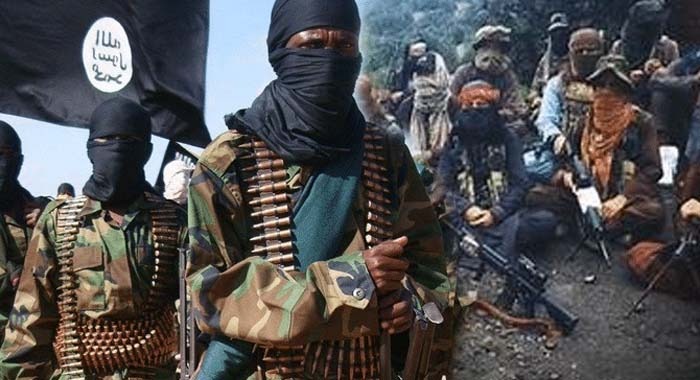
Since the withdrawal of the United States and NATO forces from Afghanistan in August 2021, the country has gradually returned to the center of global security debates. While the end of the two-decade war was expected to bring stability, the evolving political and security environment has generated new concerns about Afghanistan becoming a permissive environment for transnational militant networks.
International security analysts increasingly argue that three interconnected developments have intensified these concerns: the persistent presence of extremist organizations, the fragmented structure of the Taliban governing system, and the country’s severe humanitarian and economic crisis.
Together, these factors are shaping a complex environment that could influence terrorism patterns across South Asia, Central Asia, the Middle East and even Western countries.
The Strategic Vacuum After 2021
The departure of US and allied forces ended the longest war in American history, but it also removed the largest counterterrorism infrastructure previously operating in Afghanistan.
During the two decades of international military presence, extensive intelligence networks, drone surveillance systems and counterterrorism operations were used to monitor militant organizations such as Al-Qaeda.

Following the withdrawal, much of this monitoring capacity disappeared almost overnight. Intelligence collection became significantly more limited, forcing regional governments to rely heavily on satellite monitoring, cross-border intelligence cooperation and human intelligence sources.
This strategic vacuum has allowed various militant groups to reorganize, relocate and rebuild networks in remote Afghan regions.
Fragmented Militant Landscape
One of the defining characteristics of Afghanistan’s current militant environment is fragmentation.
Unlike traditional hierarchical militant organizations, many extremist groups operating in Afghanistan function through semi-autonomous factions or splinter networks locally known as “Dalgai”.
These groups maintain flexible alliances, shifting loyalties and decentralized command structures.
This system offers several advantages to militant organizations:
• Operational resilience against counterterrorism operations
• Ability to deny formal affiliations with international networks
• Greater flexibility in recruitment and logistics
Security assessments indicate that approximately twenty regional and international militant organizations maintain a presence across Afghanistan.
Among them are:
Islamic State – Khorasan Province
Tehreek-e-Taliban Pakistan
Islamic Movement of Uzbekistan
Eastern Turkistan Islamic Movement
Al-Qaeda
Many of these organizations possess cross-border ambitions and ideological connections with broader jihadist networks.
ISKP and the Expansion of Global Terror Threats
Among the militant organizations operating in Afghanistan, ISKP has emerged as one of the most internationally oriented and operationally ambitious.
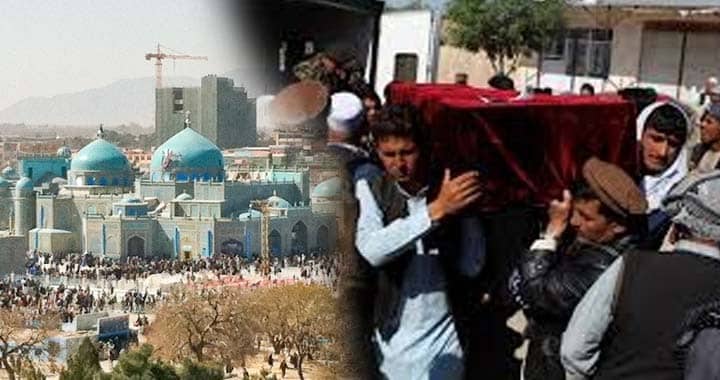
While other groups focus primarily on regional insurgencies, ISKP seeks to position itself as part of the global jihadist movement inspired by the Islamic State ideology.
Its ability to project influence beyond Afghanistan became evident during the March 2024 attack at the Crocus City Hall near Moscow.
The attack killed more than 130 civilians and represented one of the deadliest terrorist incidents in Russia in decades.
Security analysts believe the attack demonstrated ISKP’s growing ambition to inspire or coordinate attacks outside South Asia.
European intelligence agencies have also warned that ISKP networks could attempt to expand recruitment efforts among diaspora communities and migrant populations.
Concerns Over Institutional Infiltration
Another growing concern is the potential integration of extremist fighters within Afghanistan’s security apparatus.
According to assessments by the United Nations, individuals affiliated with extremist organizations have reportedly been incorporated into local security structures.
While the extent of such infiltration remains unclear, the possibility raises serious concerns about ideological influence within state institutions.
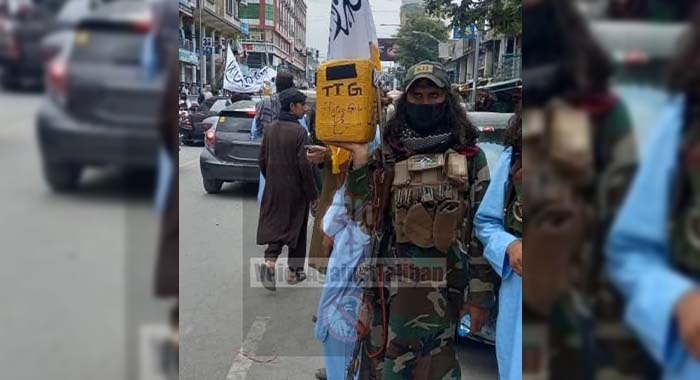
If militant sympathizers gain access to security positions, they could potentially facilitate mobility, logistical support or intelligence for extremist networks.
The Humanitarian Crisis and Economic Collapse
Afghanistan’s economic situation has deteriorated significantly since 2021.
International sanctions, the freezing of Afghan central bank assets and the decline of foreign aid have severely weakened the national economy.
The collapse of formal economic activity has forced many communities to rely on informal or illicit economic networks.
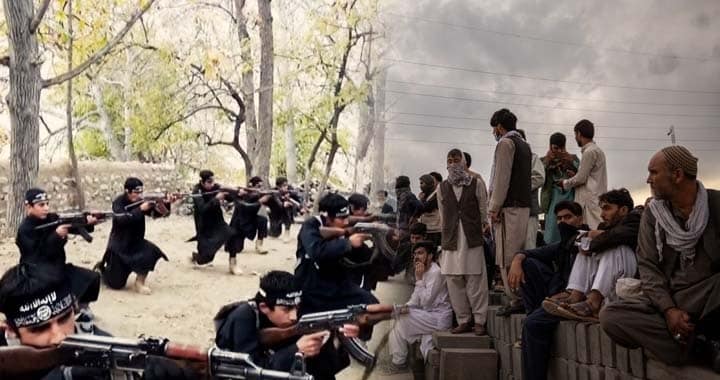
Large segments of the population now face unemployment, food insecurity and limited access to healthcare services.
The economic crisis has also triggered large-scale migration flows toward neighboring countries and Europe.
Irregular migration routes often overlap with criminal networks involved in human trafficking, smuggling and organized crime.
The Illicit Economy and Militant Financing
Afghanistan has long hosted one of the largest illicit economies in the region.
Revenue streams linked to narcotics trafficking, illegal mining and cross-border smuggling generate billions of dollars annually.
These financial flows have become crucial for militant organizations operating within Afghanistan.
Key sources of revenue include:
• Opium and heroin trafficking
• Illegal mineral extraction
• Cross-border smuggling networks
• Kidnapping and extortion
Such economic activities provide militant groups with the financial resources needed to maintain recruitment networks, training camps and operational logistics.
Gender Restrictions and Socioeconomic Consequences
Restrictions on women’s education, employment and participation in public life have further complicated Afghanistan’s economic recovery.
International organizations argue that excluding women from economic participation reduces household incomes and weakens national productivity.
The resulting economic pressure contributes to broader social instability.
In such environments, militant groups often exploit economic frustration and political grievances to expand recruitment networks.
Regional Security Implications
The security situation in Afghanistan directly affects neighboring countries including Pakistan, Iran, Central Asian states and China’s western regions.
Cross-border militant networks have historically used Afghanistan’s mountainous terrain and limited governance structures as safe havens.
Groups such as the banned Tehreek-e-Taliban Pakistan continue to pose security challenges for neighboring countries by conducting attacks across borders.
Central Asian governments also remain concerned about the presence of militant groups such as the Islamic Movement of Uzbekistan.
Global Security Implications
Beyond the region, Western governments are increasingly concerned that Afghanistan could once again become a base for international terrorist planning.
During the 1990s, the country served as a sanctuary for global jihadist networks prior to the September 11 attacks.
Although the current situation differs significantly from that era, analysts warn that the combination of weak governance, economic crisis and militant presence could gradually create similar conditions.
The Need for Coordinated International Strategy
Preventing Afghanistan from evolving into a hub for transnational militancy requires sustained international engagement.
Experts emphasize several priorities:
• Strengthening international counterterrorism monitoring mechanisms
• Enhancing intelligence cooperation among regional and Western governments
• Targeting financial networks linked to narcotics trafficking and illicit trade
• Encouraging political reforms and human rights protections
Diplomatic engagement with the Taliban authorities remains controversial, but many analysts argue that engagement should remain conditional upon measurable improvements in counterterrorism cooperation and governance.



