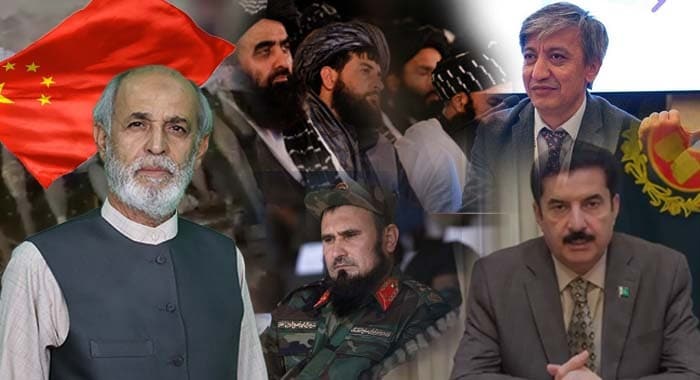
Afghanistan continues to face internal opposition to Taliban rule despite the relative decline in armed resistance, while growing disagreements with regional countries, particularly China, point to complications in the regime’s external relations. These developments reflect the mounting challenges confronting the Taliban government, both at home and abroad.
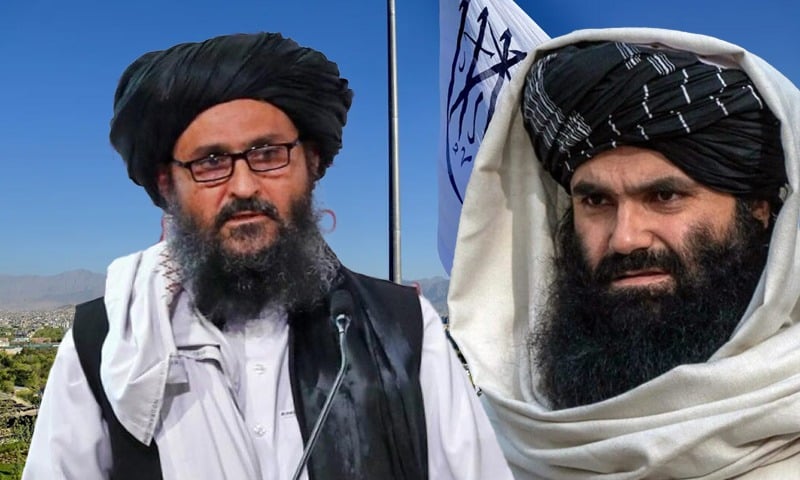
The Taliban regime’s claim that resistance against its rule is unjustified has drawn a strong response from Afghanistan’s opposition groups. Dawood Naji, head of the political committee of the Afghanistan Freedom Front, has rejected the argument advanced by Taliban military chief Fasihuddin Fitrat that the absence of war and the presence of peace in Afghanistan make armed resistance against the government illegitimate.
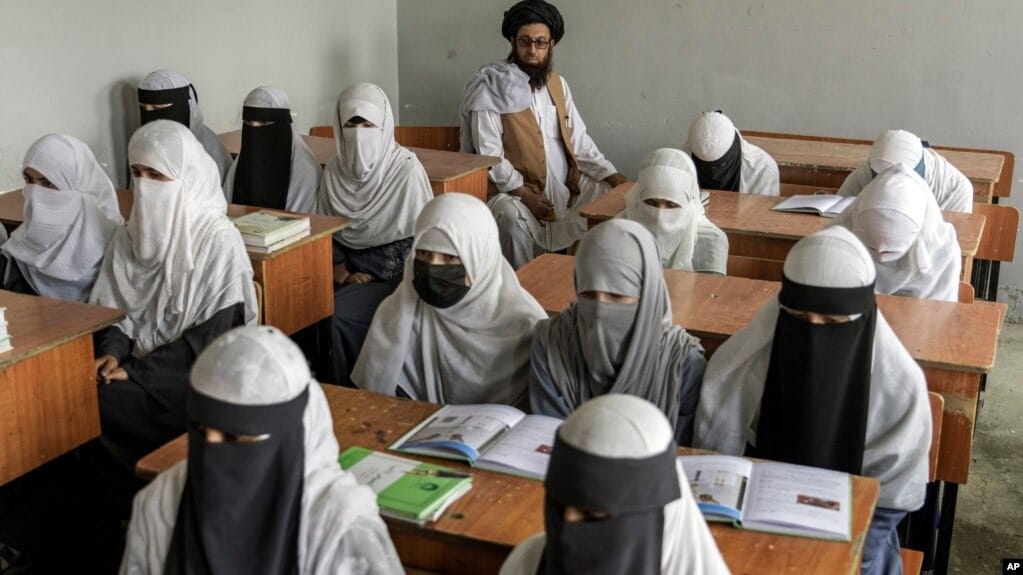
Naji has maintained that resistance remains justified because the Taliban have failed to provide basic rights and freedoms to the Afghan people. Restrictions on freedom of expression, freedom of speech and other fundamental liberties, particularly the extensive restrictions imposed on women, remain central to the opposition’s position. These include prohibitions on women’s education and employment.
He has made it clear that resistance will continue until the Taliban government either comes to an end or changes its policies. The position has received considerable support on social media, reflecting the continuing opposition to Taliban rule within Afghanistan.
Opposition to the Taliban is not confined to one particular region. Resistance and dissatisfaction exist across Afghanistan’s 34 provinces, although the intensity of armed activity has declined compared with earlier periods. One important reason for the reduced pace of resistance is the reluctance of many Afghans to see their country dragged into another war, particularly amid the conflict involving Afghanistan and Pakistan. This has encouraged greater caution among those opposed to the Taliban, but it does not mean that resistance or public resentment has disappeared. Opposition to the regime also continues to find expression at the international level.
The Taliban’s difficulties are not limited to domestic opposition. Their relations with regional countries, particularly China, also deserve attention.
Last October, reports issued by the United Nations, the United States, Russia and China highlighted the presence and activities of foreign terrorist organizations in Afghanistan. These included the banned Tehreek-e-Taliban Pakistan (TTP) and the East Turkestan Islamic Movement. China’s assessment also acknowledged concerns about the presence, concentration and activities of terrorist groups under Taliban rule.
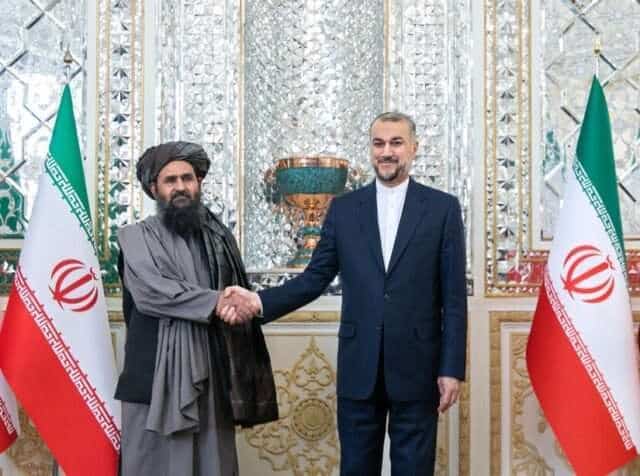
By endorsing concerns reflected in the United Nations reporting, China indicated that it shared apprehensions about the security situation in Afghanistan. This was significant because Beijing has maintained diplomatic and political engagement with the Taliban regime and has sought to expand economic and commercial ties with Afghanistan.
The reports prompted speculation about growing Chinese dissatisfaction with the Taliban. The Afghan Taliban’s spokesperson subsequently rejected claims of strained relations, insisting that diplomatic and political engagement remained intact and that trade between the two sides was expanding. However, such public assurances do not eliminate the underlying differences over security and the presence of foreign terrorist organizations on Afghan soil.
China’s concerns are particularly significant because regional stability and the security of its interests depend on preventing terrorist organizations from using Afghanistan as a base for their activities.
Another indication of the Taliban regime’s difficult regional position is its exclusion from the upcoming Economic Cooperation Organization (ECO) regional conference in Islamabad on November 15 and 16.
The conference brings together ten member countries: Pakistan, Iran, Türkiye, Azerbaijan, Kazakhstan, Kyrgyzstan, Tajikistan, Turkmenistan, Uzbekistan and Afghanistan. Despite being a founding member of the organization, Afghanistan has not been invited to participate in the Islamabad meeting.
Pakistan’s Foreign Office spokesperson Sajjad Haider explained that the Taliban government had not been recognized by the ECO member states. He also pointed to human rights violations in Afghanistan as a factor behind the decision not to invite the regime.
The Taliban authorities have criticized their exclusion, arguing that Afghanistan is a founding member of the organization. However, the decision reflects the diplomatic complications surrounding the regime’s lack of recognition and its strained relations with other countries.
The Islamabad conference is particularly important because its agenda includes regional connectivity, trade and economic cooperation. Greater commercial engagement among regional countries could help address several shared economic challenges and create opportunities for cooperation. Afghanistan’s absence, however, underscores the diplomatic barriers that continue to affect regional integration.
Turning to Pakistan, the security situation in Khyber Pakhtunkhwa has shown a notable improvement, with a substantial decline in terrorist and violent incidents compared with the preceding months.
There has been a reduction of more than 50 percent in incidents when comparing the available figures for August, September and October. Security forces have also continued their operations against terrorist networks and their infrastructure.
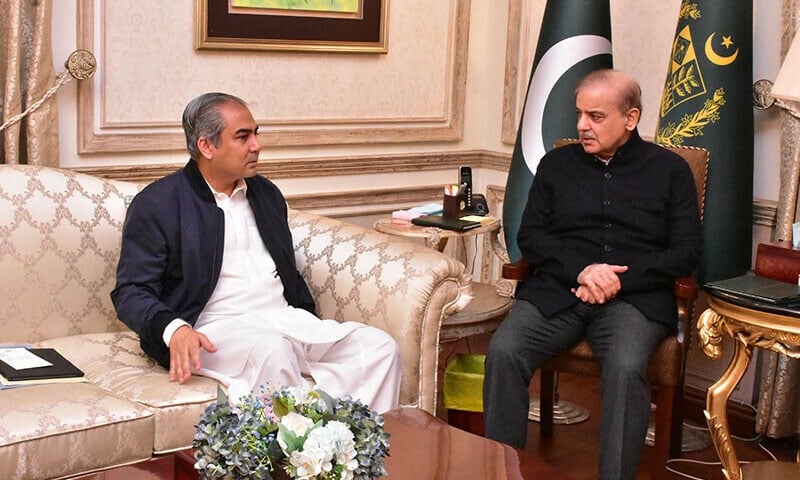
One important factor behind the improvement has been better coordination between the federal and provincial governments following the change in the provincial administration. During the previous provincial government led by Sohail Afridi, political differences and a lack of coordination between the federal and provincial administrations had affected the development of a unified response to terrorism. The two sides were unable to establish the necessary understanding and agreement on how to tackle the growing security threat.
The absence of effective coordination created difficulties in addressing terrorist attacks and implementing a consistent counterterrorism strategy. The situation has since improved, with security operations continuing and greater attention being directed toward the security challenge.
However, a decline in terrorist incidents must not be mistaken for the elimination of terrorism. Terrorist organizations continue to exist, and the networks, infrastructure and support systems that sustain them have not necessarily disappeared. As long as these organizations retain the capacity to operate and receive support, the threat will remain.
Counterterrorism is a long-term undertaking. Reducing the frequency of attacks is an important development, but eliminating the threat requires sustained operations, the dismantling of terrorist networks and action against the structures that enable them to survive.
For this reason, continued coordination between the federal and provincial governments is essential. Both administrations must maintain regular contact, develop a mutually agreed strategy and ensure that the agreed course of action is implemented rather than allowing it to remain confined to meetings, announcements and political commitments.
Past experience has demonstrated that agreements and promises alone cannot address the security challenge. What matters is their implementation. A consistent and coordinated approach between the federal and provincial governments is therefore necessary to sustain the improvement in Khyber Pakhtunkhwa and prevent terrorist organizations from exploiting administrative and political differences.