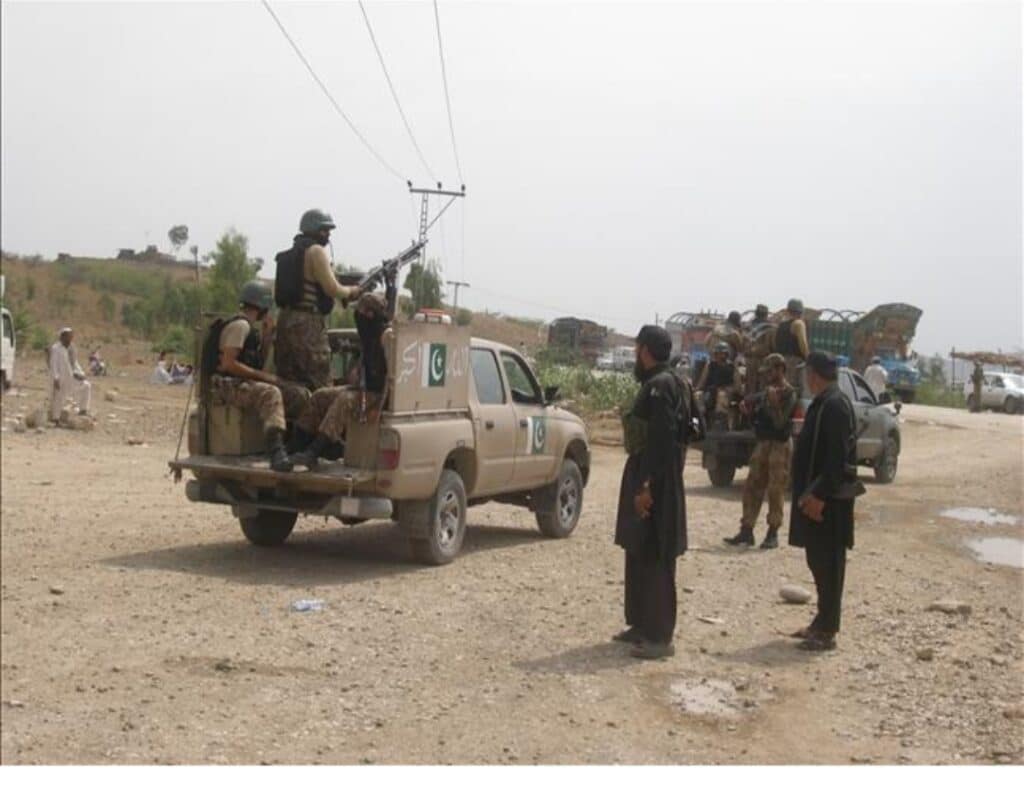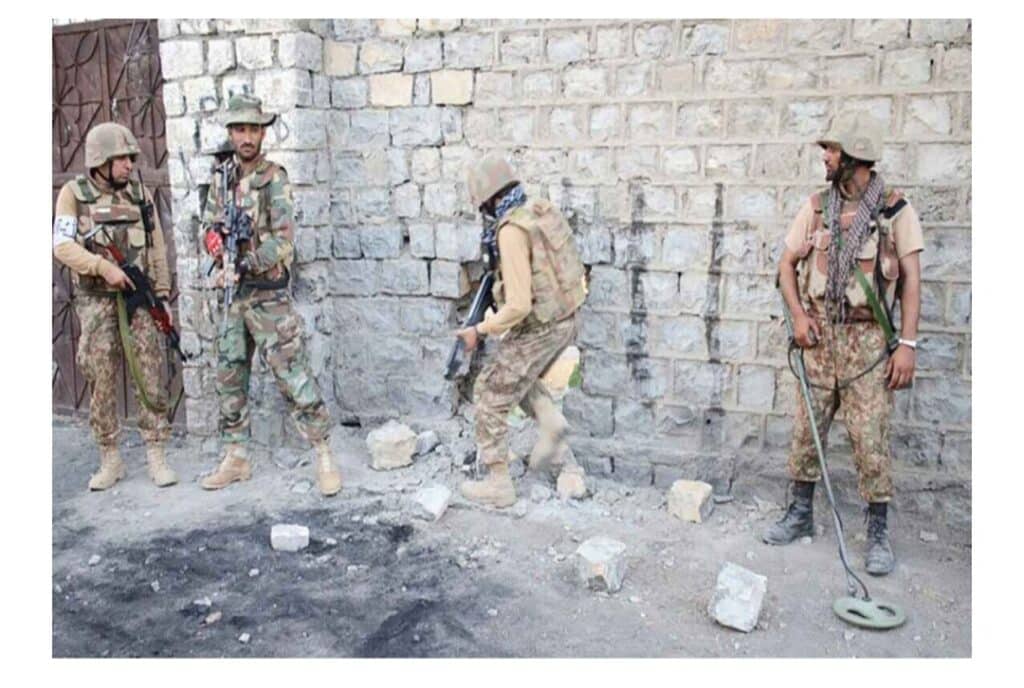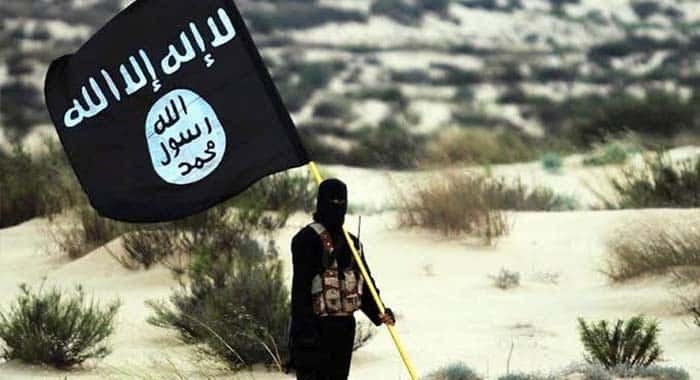
Counterterrorism operations by the Taliban and Pakistani security forces have inflicted setbacks on Islamic State Khorasan Province (ISKP), but international assessments indicate that the organization retains the ability to rebuild its networks and conduct high-profile terrorist attacks.
The United Nations Security Council’s monitoring report dated August 10, 2026, acknowledged the setbacks suffered by the group while warning that its operational capabilities remained intact.
The assessment points to a persistent challenge: disrupting terrorist networks through security operations does not automatically eliminate their organizational structures, manpower or capacity to reorganize.
A separate US intelligence assessment, citing the Defence Intelligence Agency, estimates ISKP’s strength in Afghanistan at approximately 2,000 members.
The findings suggest that the organization continues to represent a security concern despite sustained pressure on its networks.
The Taliban’s operations against ISKP and Pakistan’s counterterrorism efforts have affected the group’s activities, but the continued assessment of its capabilities highlights the need for sustained vigilance.
Preventing its recovery will require more than tactical operations, including intelligence coordination, disruption of financial support and action against cross-border networks.