
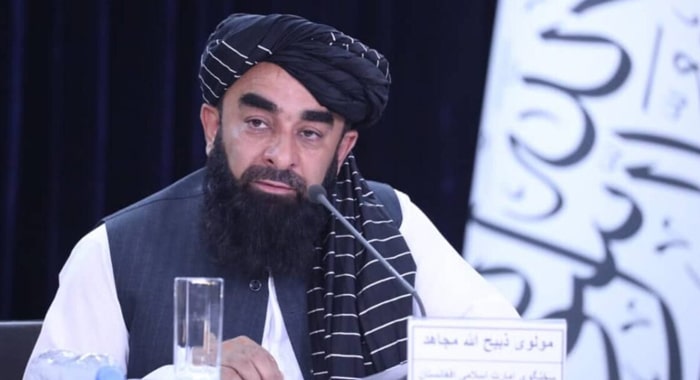
Taliban spokesperson Zabihullah Mujahid’s latest allegations against Pakistan over the presence and alleged support of Islamic State Khorasan Province (ISKP) expose what critics describe as a glaring contradiction in the Taliban regime’s security narrative: while accusing Pakistan of harbouring and supporting terrorist networks, the regime continues to face serious questions over the presence and operational activities of ISKP militants on Afghan soil.
Mujahid has claimed that Afghanistan has been cleared of ISIS and alleged that the group is being nurtured and supported in Pakistan. However, such assertions stand in stark contrast to successive reports by the United Nations Security Council Monitoring Team, which have documented the continued presence and operational capabilities of ISKP in Afghanistan.
According to the information cited in these reports, ISKP retains an estimated fighting strength of approximately 2,000 members in Afghanistan. Provinces including Kunar, Nangarhar and Helmand have been identified as important areas of the group’s operational activity, raising serious questions about the Taliban authorities’ ability and willingness to eliminate the threat.
The evolving composition of ISKP also presents a significant security concern. Reports and security assessments have pointed to the possibility of experienced fighters relocating to Afghanistan following the collapse of Daesh’s territorial strongholds in Syria. Furthermore, former Taliban fighters who failed to secure positions within the regime’s security and administrative structures have reportedly joined ISKP, potentially strengthening its manpower and operational capabilities.
Against this backdrop, Mujahid’s categorical denial of an ISKP presence in Afghanistan appears increasingly difficult to reconcile with the security assessments attributed to international monitoring bodies.
The central question is straightforward: if Afghanistan has genuinely been cleared of ISIS, why do international security assessments continue to identify ISKP as an active threat within the country?
Rather than dismissing these concerns or shifting responsibility onto Pakistan, the Taliban authorities must provide credible answers regarding ISKP’s presence, recruitment networks, operational infrastructure and freedom of movement inside Afghanistan.
Pakistan has repeatedly raised serious concerns about cross-border terrorism and the use of Afghan territory by anti-Pakistan militant groups. These concerns cannot be brushed aside through political statements, blanket denials or accusations against Islamabad.
Mujahid’s statements raise further questions about the credibility of the Taliban regime’s counterterrorism claims. A government that insists it has eliminated ISIS must demonstrate that assertion through verifiable action, transparent security measures and cooperation with the international community.
A regime cannot claim victory over terrorism while international monitoring bodies continue to flag the presence of terrorist networks within its territory. Nor can it evade accountability by pointing fingers at its neighbours.
Zabihullah Mujahid’s rhetoric may serve the Taliban regime’s political narrative, but Afghanistan’s security realities demand evidence, accountability and concrete action—not propaganda and blame-shifting.



