
Tajikistan has called for intensified and coordinated action against terrorism, extremism and cybercrime, warning that declining crime statistics must not create a false sense of security as evolving threats, online radicalisation and the recruitment of young people continue to pose serious challenges to national and regional stability.
At a meeting of the Coordinating Council of Law Enforcement Agencies in Dushanbe, senior officials conducted a comprehensive review of extremist and terrorist crime trends between 2021 and 2025, alongside cybercrime investigations covering 2025 and the first half of 2026. The discussions highlighted the changing nature of security threats and the urgent need to strengthen preventive measures, institutional coordination and law-enforcement capabilities.
Particular concern was expressed over the recruitment of young people, including university students, into extremist and terrorist organisations. Tajikistan’s Prosecutor General’s Office stressed that preventing radicalisation among younger generations requires closer cooperation between law-enforcement agencies, educational institutions and families.
Officials emphasised that extremist networks are increasingly exploiting the internet and social media platforms to spread radical ideologies, influence vulnerable individuals and expand their recruitment activities. They called for a comprehensive approach to identifying the underlying social factors contributing to radicalisation and preventing extremist organisations from exploiting vulnerable sections of society.
The meeting also highlighted the expanding scale and complexity of cybercrime, particularly online financial fraud, cross-border criminal activities and the misuse of digital platforms.
Authorities stressed the importance of strengthening information security, protecting citizens’ personal data and improving public awareness of online threats. Enhanced investigative capabilities and closer cooperation among relevant institutions were identified as essential to confronting increasingly sophisticated criminal and extremist networks.
Officials warned that the evolving security environment demands a broader approach that addresses both conventional terrorism and emerging digital threats. The growing intersection of online radicalisation, organised cybercrime and extremist recruitment makes sustained vigilance and coordinated action increasingly important.
Tajikistan’s security concerns are further intensified by its geographical proximity to Afghanistan, sharing an approximately 1,344-kilometre border with its southern neighbour.
The security situation along the Tajik-Afghan frontier remains a major regional concern, particularly following two separate attacks launched from Afghan territory in November 2025 that claimed the lives of five Chinese nationals. These incidents have reinforced concerns over cross-border security threats and the potential consequences of instability emanating from Afghanistan.
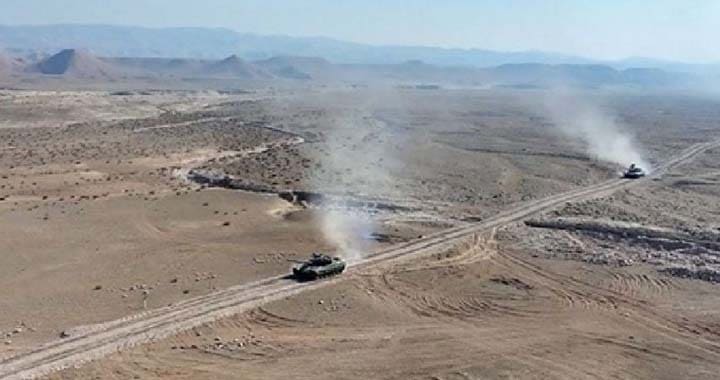
Recognising the strategic importance of securing this sensitive frontier, the Collective Security Treaty Organization (CSTO) is preparing to provide Tajikistan with weapons, military hardware and specialised border-security equipment.
The first deliveries are expected before the end of 2026 under a border-strengthening programme approved in November 2024. The assistance is aimed at enhancing Tajikistan’s border protection capabilities and improving its capacity to respond to potential security threats along the Afghan frontier.
The planned military and technical assistance reflects growing regional concerns over cross-border instability and the importance of collective security arrangements in preventing threats from spreading beyond national boundaries.



