
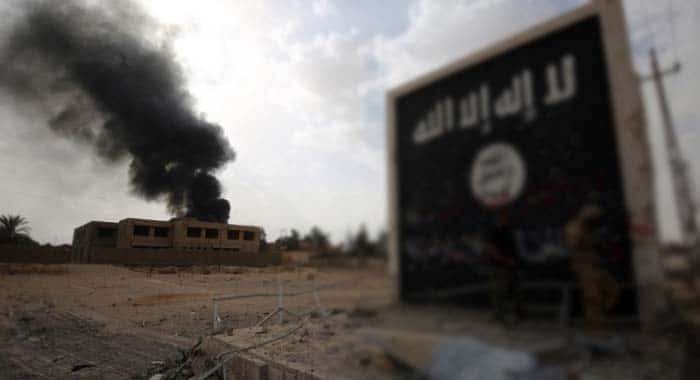
Pakistan has thwarted multiple attempts by the Islamic State Khorasan Province (ISKP) to expand its operational footprint into the country through sustained intelligence-based operations, disrupting suspected networks, eliminating more than 50 militants, and arresting over 100 others during 67 major operations, according to the information provided.
The developments highlight Pakistan’s continuing security concerns over the activities of ISKP in Afghanistan and the potential cross-border implications of the group’s expanding networks. Over the past three to four years, ISKP has reportedly made repeated attempts to extend its operational reach into Pakistan, prompting security agencies to intensify intelligence gathering, surveillance, and targeted counterterrorism measures.
Afghanistan’s provinces of Kunar, Nangarhar, and Helmand have been identified in the provided account as important operational areas for ISKP. The reported movement of Islamic State fighters from Syria to Afghanistan following the loss of strongholds in the Middle East has also raised concerns about the group’s ability to replenish its ranks, strengthen its networks, and expand its activities across the region.
The potential transfer of experienced fighters, combined with the presence of established networks and recruitment opportunities, could create additional security challenges for Afghanistan and neighboring countries. However, the scale of any such movement and its direct impact on ISKP’s operational strength require independent verification.
On 13 April 2017, the United States dropped the GBU-43/B Massive Ordnance Air Blast (MOAB), widely known as the “Mother of All Bombs,” on an ISKP cave complex in the Mamand Valley of Achin district, Nangarhar province, Afghanistan. The operation targeted an important ISKP stronghold and drew international attention to the group’s presence in eastern Afghanistan.
Despite military pressure on its strongholds over the years, ISKP has continued to pose a regional security challenge. Its capacity to sustain clandestine networks, recruit members, and conduct attacks has kept the group on the security agenda of Afghanistan and neighboring states.
Following the Taliban’s return to power in Afghanistan on 15 August 2021, concerns about ISKP recruitment and organizational expansion continued. The information provided suggests that some Taliban fighters who did not secure paid positions within the new administration’s political, military, or security structures subsequently joined ISKP.
Such claims, however, require careful verification and should not be interpreted as evidence that Taliban personnel generally are joining the organization. The relationship between the Taliban and ISKP is also marked by hostility, with the Taliban authorities conducting operations against the group.
Nevertheless, the possibility of recruitment among disaffected individuals, the movement of experienced fighters, and the persistence of underground networks remain relevant factors in assessing the regional threat posed by ISKP.
According to the figures provided, Pakistani security agencies have conducted 67 major operations against ISKP, resulting in:
- More than 50 suspected militants killed.
- Over 100 individuals arrested.
- One highly wanted individual reportedly killed.
- Three additional high-profile wanted individuals reportedly arrested.
These figures indicate the reported scale of Pakistan’s efforts to disrupt ISKP-linked networks and prevent the group from establishing a stronger operational presence within the country.
Intelligence-based operations are a central component of counterterrorism efforts, enabling security agencies to identify suspected networks, track movements, and act against emerging threats. Sustained intelligence collection and cooperation among relevant security institutions can also help disrupt recruitment, financing, logistical support, and preparations for attacks.
The identities of the individuals involved, the specific locations of the operations, and the details of the weapons or other material recovered were not included in the information provided.
The information further states that ISKP carried out six terrorist attacks in Pakistan in response to the counterterrorism operations. These attacks reportedly resulted in 42 fatalities and 85 injuries.
Among the incidents highlighted are a suicide attack targeting a Shia mosque in the Tarlai area of Islamabad and an attack targeting a sessions judge in Mastung district, Balochistan.
Attacks against places of worship and judicial officials raise serious concerns about public safety, freedom of worship, and the protection of civilian institutions. Such incidents also demonstrate the potential human cost of extremist violence and the importance of preventive security measures, effective investigations, and accountability for those responsible.
The casualty figures and the attribution of all six attacks to ISKP should be independently verified before publication, particularly where incidents may involve competing claims of responsibility or incomplete investigative findings.
ISKP’s reported attempts to expand into Pakistan underscore the cross-border nature of the security challenges facing the region. The movement of fighters, the persistence of clandestine networks, and the exploitation of instability can complicate efforts to prevent attacks and maintain public security.
Pakistan’s reported operational results suggest that sustained intelligence-led measures have played a significant role in disrupting suspected ISKP networks. At the same time, the reported fatalities and injuries resulting from attacks attributed to the group illustrate the continuing need for vigilance, coordinated intelligence sharing, and measures to protect vulnerable communities.
Addressing the threat requires more than military action alone. Effective border management, financial investigations, prevention of recruitment, community protection, and regional cooperation are all important elements of a comprehensive response to transnational extremist networks.
Pakistan’s reported campaign against ISKP reflects an ongoing effort to prevent the group’s expansion, disrupt its suspected networks, and protect the country’s population from extremist violence. The scale and effectiveness of these efforts will ultimately depend on sustained operational capacity, reliable intelligence, and cooperation among relevant regional stakeholders.



