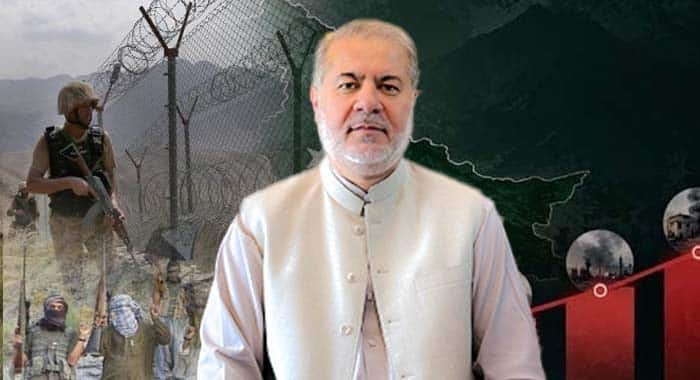
Pakistan’s battle against terrorism has reached a critical juncture. After years of mounting insecurity, repeated attacks on law enforcement personnel, and growing concerns over militant networks operating across the Afghan border, the country is once again confronting a fundamental question: how can the state restore lasting peace in its most vulnerable regions?
According to the latest report by the Pakistan Institute for Conflict and Security Studies (PICSS), terrorist attacks in Pakistan fell by approximately 66 per cent over a five-week period, coinciding with sustained counterterrorism operations by the country’s security forces. This development offers a potentially encouraging indication that security measures are having an impact. However, the decline must be interpreted carefully. A reduction in attacks over a limited period does not necessarily mean that the underlying militant threat has been eliminated.
The broader security picture remains complex. Khyber Pakhtunkhwa continues to face persistent militant violence, institutional challenges, and questions about the coordination of security agencies. Meanwhile, political changes at the provincial level, renewed attention from federal authorities, a proposed Rs170 billion development package, and Pakistan’s continuing dispute with the Afghan Taliban over militant sanctuaries are all shaping the next phase of the country’s counterterrorism strategy.
The central challenge is no longer simply to reduce the number of attacks. It is to build a security framework capable of preventing militants from reorganising, protecting vulnerable communities, strengthening public confidence, and ensuring that the gains achieved through security operations translate into durable peace.
The reported 66 per cent decline in terrorist attacks over five weeks is an important development in Pakistan’s ongoing counterterrorism campaign. Sustained pressure by security forces can disrupt militant planning, restrict movement, weaken operational networks, and reduce opportunities for attacks against military installations, police personnel, and civilian targets.
Nevertheless, statistics must be understood within their proper context. The percentage decline concerns a particular reporting period and should not automatically be interpreted as evidence that terrorism has been defeated or that every aspect of the security situation has improved.
Indeed, the wider pattern of militant violence suggests that Pakistan continues to face an adaptable adversary. Rather than necessarily holding territory or openly challenging the state through conventional formations, militant groups increasingly rely on dispersed cells, small operational units, improvised explosive devices (IEDs), and quadcopters to carry out attacks.
This shift has important implications for counterterrorism policy. Traditional large-scale military operations were designed, in part, to clear areas where militants had established organised strongholds. Today, the challenge in many parts of Khyber Pakhtunkhwa is different. Militant networks can operate without maintaining permanent territorial control, strike when opportunities arise, and disperse before security forces can respond.
The absence of a clearly defined militant-controlled territory therefore does not mean that the threat is insignificant. It means that the threat has become more difficult to detect and contain. Pakistan’s security strategy must consequently combine sustained operational pressure with reliable intelligence, effective policing, inter-agency coordination, and the long-term stabilisation of affected communities.
One of the important developments highlighted in the discussion of Pakistan’s deteriorating security environment is the political transition in Khyber Pakhtunkhwa. The emergence of new provincial arrangements has created a period of uncertainty in which the government is preparing its approach to militancy, reviewing priorities, and considering how best to coordinate its response with federal authorities and security institutions.
Political transitions inevitably take time. Cabinets must be completed, administrative responsibilities clarified, and policy decisions translated into operational plans. Yet terrorism does not pause while governments organise themselves. This creates a potentially dangerous interval in which militant groups may attempt to assess the state’s intentions, reorganise their networks, or exploit gaps in administrative coordination.
The same uncertainty affects both sides. The government must determine the most effective combination of intelligence-based operations, policing, development, and political engagement. Militant groups, meanwhile, may adopt a wait-and-see approach while testing the preparedness of the new administration. Reports that the government might launch a major military operation have also contributed to uncertainty. However, a broad territorial offensive is not necessarily the most suitable response to a dispersed militant threat. Military and government officials have repeatedly expressed reservations about the assumptions underlying such an approach.
Where militants operate in small groups, use improvised explosive devices, and conduct opportunistic attacks, a more precise strategy may offer greater effectiveness and reduce unnecessary disruption to civilian life. The immediate priority should therefore be to ensure continuity in counterterrorism efforts during the political transition. A new government must not allow administrative adjustments, incomplete cabinet arrangements, or political disagreements to weaken the state’s operational readiness.
Pakistan’s counterterrorism challenge has evolved considerably. In earlier phases of the conflict, large-scale military operations were often undertaken in areas where militants had established strongholds or exercised substantial influence. The current environment increasingly demands a more targeted approach. Militant groups are now described as operating through smaller, dispersed units that exploit opportunities to attack the army, paramilitary forces, Frontier Corps personnel, and police. Their use of IEDs and quadcopters adds another layer of complexity, allowing them to threaten security personnel without engaging in conventional battles.
This makes intelligence-led operations particularly important. The government must strengthen coordination among the military, paramilitary forces, police, and Frontier Corps. Effective cooperation requires more than formal meetings or public commitments. It depends on timely intelligence-sharing, compatible communication systems, clearly defined responsibilities, and the ability of agencies to act on information without unnecessary delays.
Concerns about shortages of wireless communication equipment further underline the importance of addressing practical operational weaknesses. Even well-trained personnel can face serious disadvantages if communication systems are inadequate or agencies cannot exchange information efficiently. The proposed approach of establishing stronger coordination among security institutions, followed by intelligence-based operations in different areas, could help address these challenges. However, its success will depend on implementation.
Authorities must also account for the potential displacement of civilians and the damage that extensive operations can cause. Communities already affected by insecurity cannot be expected to absorb repeated disruption without adequate protection, compensation, and support. The objective should be to weaken militant networks while minimising harm to the population whose trust the state ultimately needs to retain.
The warning that September represented the worst month for attacks in approximately 10 to 12 years, as cited in the discussion, illustrates the seriousness of the threat. It also demonstrates why short-term improvements must be followed by a coherent and sustained security policy.
A significant political and administrative development has been the renewed engagement of federal and provincial authorities through the Apex Committee, alongside the allocation of Rs120 billion for Khyber Pakhtunkhwa. The meeting was particularly important because coordination between the provincial and federal levels had faced difficulties. Concerns were raised about the absence of regular provincial Apex Committee meetings and political disagreements that impeded cooperation on security matters.
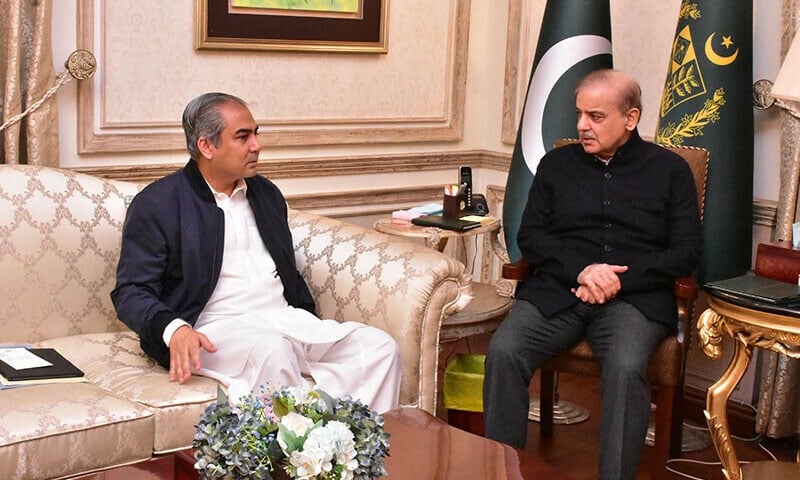
The participation of the prime minister, the army chief, and other senior officials in a meeting in Peshawar signalled renewed attention to the province’s security challenges. Such engagement matters because terrorism in Khyber Pakhtunkhwa cannot be addressed through military measures alone. Security, governance, development, public services, and political representation are closely interconnected.
The Rs120 billion package could provide an important opportunity to improve conditions in neglected and conflict-affected areas. However, the announcement of funds is only the beginning. The real test is whether the money reaches the communities that need it and produces measurable improvements in their daily lives. Particular attention has been directed towards 12 designated districts, comprising eight tribal districts and four other districts in Khyber Pakhtunkhwa. These areas require sustained investment in public infrastructure, education, healthcare, employment, local administration, and essential services.
For years, residents of conflict-affected districts have heard promises of development funding. Yet the persistence of poverty, insecurity, inadequate infrastructure, and limited economic opportunities has raised questions about how effectively earlier allocations were used. The criticism that some districts have become graveyards of development funds captures a wider concern: money may be allocated repeatedly without producing meaningful improvements for local people. Insecurity has often been cited as a reason why development projects cannot proceed. Contractors, officials, and service providers may be reluctant to work in dangerous areas, while government departments face practical obstacles in delivering projects.
But insecurity cannot become a permanent justification for neglect. If public investment is continually delayed because an area is unstable, residents may remain trapped in the very conditions that make stability difficult to achieve. The government must therefore establish transparent mechanisms for project selection, procurement, monitoring, and public accountability. Every major allocation should be linked to clear objectives, implementation timelines, and verifiable outcomes.
Perhaps the most important question surrounding the Rs120 billion package is who will decide how the money is spent. Concerns have been raised that some representatives selected to oversee development initiatives in designated districts may not enjoy sufficient public confidence or possess the necessary qualifications and experience. If these concerns are substantiated, they should be addressed before they undermine the entire programme.
Development committees and local oversight bodies should include credible representatives who understand their communities, have the competence to assess local needs, and enjoy the trust of residents. Their selection should not be reduced to political patronage or the preferences of influential individuals. Members of the National Assembly and provincial assembly have important constitutional and representative responsibilities, but local development planning also requires direct engagement with communities and people who understand conditions on the ground.
The government should consult educators, professionals, community representatives, local businesspeople, civil society organisations, and other credible stakeholders when deciding which projects deserve priority. The needs of each district will differ. One community may require schools and healthcare facilities, another reliable roads and electricity, and another employment opportunities or support for people displaced by violence.
A uniform development model imposed from Islamabad or provincial headquarters may fail to address these differences. The guiding principle should be simple: public money must be spent where public needs are greatest, not merely where projects are easiest to announce or politically advantageous to complete. Winning hearts and minds requires more than speeches. Residents must see tangible evidence that the state recognises their difficulties, respects their dignity, and is committed to improving their lives. This is especially important in areas where years of insecurity and inadequate services have weakened confidence in government institutions.
Another concern raised in the discussion relates to the responsibilities of the provincial governor and the need for stronger oversight of designated areas. The underlying issue is institutional: development and security arrangements must operate through clear lines of responsibility, rather than allowing administrative boundaries or bureaucratic divisions to create gaps in accountability.
The cabinet, the chief secretary’s administrative team, and the relevant departments should review how officials are appointed, how development projects are supervised, and whether those entrusted with responsibilities in tribal districts have demonstrated the competence and integrity required.
A review of officials’ professional records may help identify weaknesses, particularly where individuals have previously served in the same areas and their performance has attracted criticism. However, accountability should be based on documented evidence and transparent procedures rather than generalised accusations.
The government must ensure that administrative appointments reinforce public confidence instead of reproducing the failures of previous arrangements. The ultimate goal is to establish a system in which public funds are properly monitored, officials are answerable for their decisions, and local communities have meaningful opportunities to influence development priorities. Without these safeguards, even a substantial financial package risks becoming another missed opportunity.
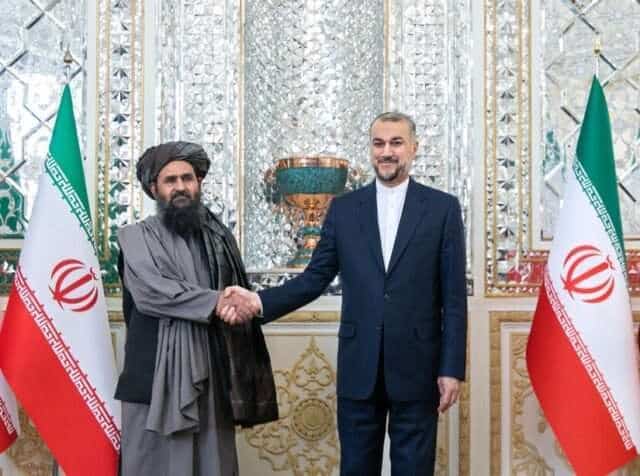
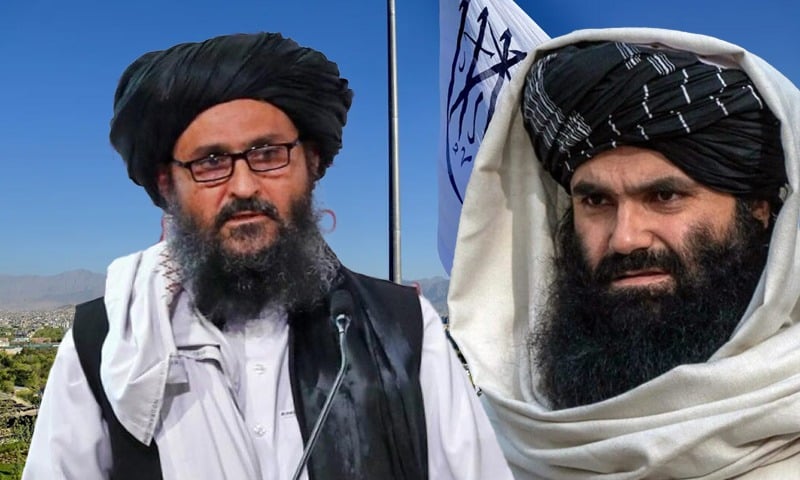
Pakistan’s internal security challenges are inseparable from its difficult relationship with Afghanistan. A central point of disagreement concerns allegations that militant organisations responsible for attacks inside Pakistan maintain a presence on Afghan territory. The Afghan Taliban have rejected accusations that their territory is being used to threaten other countries. Pakistan, however, continues to express serious concerns about cross-border militancy. These competing positions have created a persistent diplomatic and security dispute.
The discussion cited reports attributed to the United Nations and Russia concerning the presence of approximately 20 foreign militant groups in Afghanistan. Such claims are significant, although individual assessments should be examined against the relevant reports and their precise findings. The broader question is whether militant organisations operating from Afghan territory possess the leadership, infrastructure, and freedom of movement necessary to plan or support attacks against neighbouring states.
For Pakistan, the issue is particularly acute because several militant organisations have Pakistani members, objectives, or operational connections. These include Tehreek-e-Taliban Pakistan (TTP), Al-Qaeda-linked networks, the Hafiz Gul Bahadur group, and other smaller Pakistani militant factions. The discussion also referred to an estimated 60 to 65 Pakistani militant groups being incorporated into or associated with the TTP over the preceding year. That figure should be treated as an estimate requiring independent verification, rather than as a conclusively established count.
Regardless of the precise number of organisations involved, the strategic concern is clear: the consolidation of militant factions can strengthen recruitment, improve coordination, and expand the operational reach of networks threatening Pakistan. It is also important to distinguish between the locations where attacks occur and the places where militant leaders, facilitators, and logistical networks may be based.
An attack inside Pakistan does not, by itself, establish where every participant or organiser was located. Nevertheless, credible intelligence about cross-border leadership and support structures must be taken seriously and addressed through appropriate security and diplomatic channels. Rejecting allegations without engaging with the underlying evidence will not resolve the dispute. Equally, accusations should be supported by verifiable information and pursued through sustained diplomacy alongside legitimate security measures.
Reports have circulated suggesting that the Afghan Taliban may have given the TTP a deadline to leave Afghanistan. The discussion, however, indicated that there was no confirmed information establishing that such an ultimatum had been issued. A more cautious interpretation is that some Pakistani militant elements may have been moved away from border areas towards locations in central Afghanistan. One possible explanation is the desire to reduce their exposure to retaliatory Pakistani artillery fire or airstrikes. When militant groups operate close to the border and among civilian populations, military action can cause collateral damage and deepen local resentment.
Moving militants away from border areas could reduce immediate exposure to such strikes without necessarily eliminating their presence or dismantling their organisations. The distinction is crucial. Relocation is not the same as disarmament, expulsion, or the termination of cross-border militant activity.
There are also broader political considerations. The relationship between the Afghan Taliban and Pakistani militant factions is shaped by historical connections, ideological affinities, battlefield relationships, and strategic calculations. These factors may complicate efforts to persuade or compel the Afghan Taliban to sever those ties.
Pakistani militant groups may also possess their own organisational strength and networks, making them difficult to displace without consequences. The Afghan Taliban therefore face a potentially costly choice: act decisively against militant groups that Pakistan considers a direct threat, or risk continued deterioration in relations with Islamabad and greater international pressure.
The possibility of increasing scrutiny from countries such as Russia, China, and Turkey, alongside other regional and international actors, could influence Kabul’s calculations. However, it would be premature to assume that such pressure will automatically produce a decisive change in policy.
Pakistan must continue to pursue verifiable commitments, effective border management, intelligence cooperation where possible, and diplomatic engagement backed by credible evidence.
The objective should be to secure measurable reductions in the ability of militant organisations to threaten Pakistan, rather than accepting unverified assurances or treating the movement of fighters within Afghanistan as a sufficient solution.
Pakistan stands at a moment when security operations, political change, development spending, and regional diplomacy must reinforce one another. The reported 66 per cent decline in terrorist attacks over five weeks is encouraging, but the country’s longer-term security cannot be measured by a single statistic. The threat remains adaptable, the situation in Khyber Pakhtunkhwa remains fragile, and the question of militant sanctuaries across the Afghan border remains unresolved.
The new provincial administration must move quickly to establish a clear counterterrorism policy. The military, paramilitary forces, police, and Frontier Corps need stronger coordination, reliable communication systems, and effective intelligence-sharing arrangements. Operations should be designed around the realities of dispersed militant networks rather than assumptions inherited from earlier phases of the conflict. At the same time, the Rs170 billion development package must be managed with transparency, credible local representation, and a clear commitment to measurable results. The 12 designated districts, including the eight tribal districts and four other districts identified for special attention, should see tangible improvements in services, infrastructure, livelihoods, and local governance.
The government must also strengthen oversight, address administrative weaknesses, and ensure that public funds are not lost through poor planning, patronage, or ineffective implementation. Finally, Pakistan’s engagement with Afghanistan must remain focused on the central security question: whether Afghan territory is being used by militant organisations to threaten Pakistan. Progress will require credible evidence, sustained diplomacy, and practical measures that reduce militant capabilities rather than merely shifting them from one location to another.
The defining test for Pakistan is not whether it can achieve a temporary decline in attacks. It is whether the state can transform that decline into a lasting reversal of militancy. That will require more than military strength. It will demand competent governance, institutional coordination, responsible development spending, meaningful local participation, and a regional policy capable of confronting cross-border threats.
A 66 per cent reduction in attacks can be a turning point, but only if Pakistan uses the opportunity to build a security system that is effective, accountable, and trusted by the people it exists to protect. Sustainable peace will emerge not from statistics alone, but from a state that can defend its citizens, deliver essential services, and ensure that violence no longer determines the future of its most vulnerable communities.