
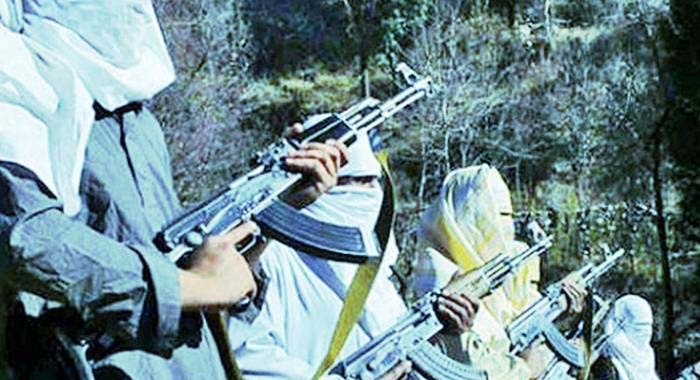
A significant armed confrontation was reported overnight in the Manro Pattai area of Upper Orakzai between members of Jamaat-ul-Ahrar (JUA) Ummati and the TTP Kazim Group, according to sources familiar with the incident.
The reported confrontation represents a notable development in the increasingly complex landscape of militant factional rivalries in the region, where competing groups and splinter formations have maintained separate networks and areas of influence.
According to the sources, the clash resulted in the deaths of four members of the TTP Kazim Group. The circumstances surrounding the reported fatalities, including the identities of those killed and the precise sequence of events leading to the confrontation, remain unclear. The reported casualties have not been independently verified through an official statement at the time of publication.
Sources further reported that Hazrat Umar, also known as Abu Bakar, identified as the commander of the TTP Kazim Group, sustained injuries during the confrontation. The severity of his injuries and his current condition remain unknown. If confirmed, the reported injury of a senior commander could have implications for the group’s immediate internal organization and operational activities in the area.
The immediate cause of the confrontation between JUA Ummati and the TTP Kazim Group remains unclear. The incident nevertheless highlights the potential for conflict between competing militant factions operating within the same broader geographical environment.
Information from the area remains limited, and further details are expected to emerge as local sources and security channels assess the incident. At present, the reported developments are: A clash reportedly occurred overnight in Manro Pattai, Upper Orakzai. The confrontation involved Jamaat-ul-Ahrar (JUA) Ummati and the TTP Kazim Group. Sources reported that four TTP Kazim Group members were killed. Hazrat Umar alias Abu Bakar, identified as the TTP Kazim Group commander, was reportedly injured. The identities of those reportedly killed and the extent of the commander’s injuries remain unconfirmed. The precise cause and circumstances of the confrontation remain under investigation.
The reported confrontation is significant because it involves two militant formations operating within the same wider security environment rather than an engagement between a militant organization and state security forces.
Such factional clashes can affect local power structures, leadership arrangements, territorial influence, and the movement of armed personnel. However, the broader implications of this particular incident cannot be assessed conclusively until additional information regarding the participants, casualties, and circumstances becomes available.



