
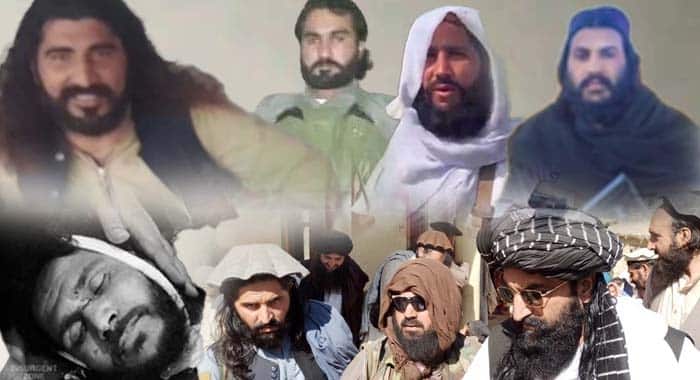
The elimination of another TTP commander in Khyber Pakhtunkhwa points to a dimension of counterterrorism that is less visible than the daily exchange of fire: the sustained pressure being placed on the organization’s command structure.
Terrorist organizations depend on more than manpower. They require people who can connect leadership decisions with field operations, coordinate movement, maintain communication, arrange logistics and identify targets. Removing commanders therefore creates a different kind of disruption from eliminating ordinary foot soldiers.
Recent operations illustrate the geographic breadth of that pressure. A TTP commander was eliminated in Makeen in South Waziristan, while another senior figure was among terrorists killed during an attempted infiltration through the Ghulam Khan border in North Waziristan. A high-value commander was also eliminated in Mohmand, while another TTP commander was identified among those killed in strikes against terrorist safe havens in Afghanistan.
The significance lies not simply in the number of commanders eliminated, but in the different points at which they have been targeted. Some were operating inside settled or tribal districts, others were involved in cross-border movement, while others were linked to infrastructure beyond Pakistan’s borders.
That creates a difficult environment for the TTP. A terrorist organization can replace individual fighters relatively quickly, but replacing experienced commanders can be more complicated. Leadership experience, local contacts, knowledge of terrain and established relationships with facilitators cannot necessarily be reproduced overnight.
The impact can also extend downward. When commanders responsible for local operations disappear, terrorist cells can face communication gaps and uncertainty over who controls resources and directs attacks. This can make operations more difficult even when the wider organization remains intact.
Yet commander losses alone do not mean that a terrorist organization has been dismantled. TTP networks have demonstrated an ability to absorb personnel losses, replace commanders and adapt their methods. Recruitment, financing, logistical support and cross-border sanctuary can allow an organization to regenerate after operational setbacks.
That is why the more important question is what follows the elimination of individual commanders. If intelligence operations can continue identifying replacements, facilitators, safe houses and movement routes, the pressure becomes structural rather than episodic.
The latest operation against Amir Badshah therefore fits into a wider pattern. The pressure on TTP leadership is being applied at multiple points across its operating environment, from South Waziristan and Mohmand to Bannu and the border areas.
The emerging counterterrorism contest is consequently not only about defeating attacks after they are launched. It is increasingly about disrupting the people and networks that make those attacks possible in the first place.



