
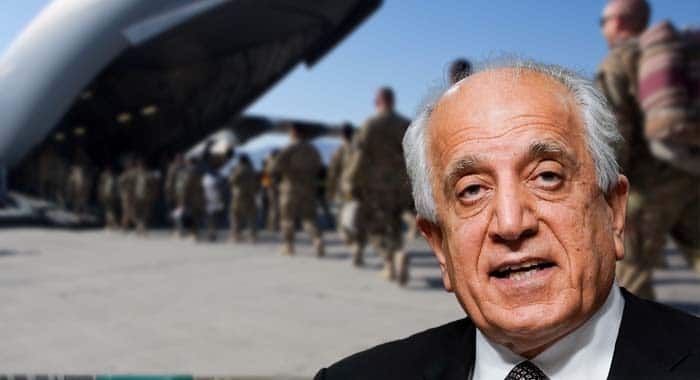
Former US Special Representative for Afghanistan Zalmay Khalilzad has warned that complete US disengagement from Afghanistan could create a new geopolitical vacuum, potentially giving terrorist organizations and American rivals greater room to operate.
In a message posted on X, Khalilzad said Washington’s complete withdrawal and disengagement from Afghanistan could once again fuel terrorism across the region.
He warned that turning away from Afghanistan could create a geopolitical vacuum that terrorist groups and US competitors could exploit.
Khalilzad also pointed to the continued presence of various extremist organizations in Afghanistan and growing tensions between the Taliban authorities and neighboring countries, saying these developments have raised further questions about the country’s security environment.
His warning comes five years after the Taliban returned to power in Kabul and the United States completed its military withdrawal from Afghanistan in August 2021. Khalilzad himself played a central role in negotiating the 2020 US-Taliban agreement that paved the way for the withdrawal.
The former envoy argued that reduced international attention and diminished diplomatic engagement could provide terrorist groups with additional space to consolidate their position.
He urged Washington to increase interaction and diplomatic engagement with Afghanistan, cautioning that turning its back on the country could create precisely the kind of vacuum that terrorist organizations and rival powers would seek to fill.
Khalilzad’s warning also highlights a broader concern surrounding Afghanistan’s post-withdrawal security landscape. The 2020 US-Taliban agreement included commitments intended to prevent Afghan territory from being used by terrorist organizations against the United States and its allies.
Yet the continued presence of multiple armed and extremist groups in Afghanistan has kept regional security concerns alive, particularly for neighboring states that remain directly exposed to developments across the Afghan border.
The former envoy’s latest comments therefore place renewed emphasis on a question that has remained unresolved since the US withdrawal: whether international disengagement from Afghanistan can prevent the country from once again becoming a permissive environment for terrorism, or whether a prolonged diplomatic vacuum could allow terrorist networks and competing geopolitical actors to expand their influence.
Khalilzad’s warning is particularly significant given his previous role in shaping the US exit from Afghanistan. His latest call for continued engagement suggests that, in his assessment, withdrawal from military involvement does not necessarily have to mean strategic disengagement from the country.



