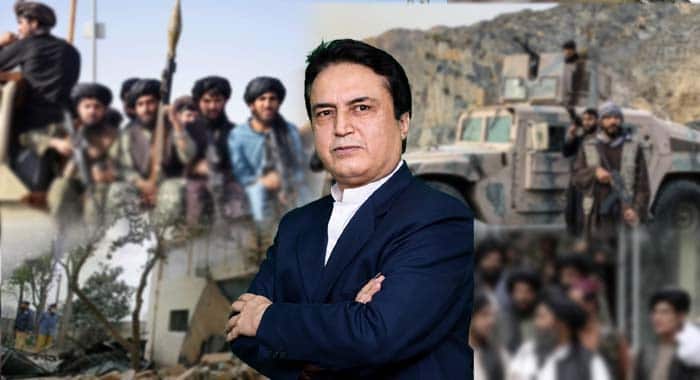
(Arif Yousafzai)
For nearly two decades, Khyber Pakhtunkhwa has remained the frontline of Pakistan’s battle against terrorism. It has witnessed military operations, large-scale displacement of local communities, the rebuilding of institutions, and countless sacrifices by civilians, tribal elders, police officers, soldiers, journalists, and political workers. The province has repeatedly demonstrated remarkable resilience in overcoming violent extremism. Yet recent developments indicate that the security landscape is once again becoming increasingly volatile, demanding urgent attention from policymakers, security institutions, and political leadership alike.
The recent Counter Terrorism Department (CTD) intelligence-based operation in Upper Dir, in which six militants were reportedly killed, illustrates one side of the evolving security picture. On the other side are reports emerging from South Waziristan regarding the alleged kidnapping of SHO Ahmed Shah and several accompanying personnel, along with renewed incidents involving attacks on educational institutions. These incidents, viewed collectively rather than individually, present a troubling picture of an insurgency attempting to expand both its operational reach and its psychological influence.
The situation is no longer confined to isolated attacks on security forces. Militancy appears to be evolving into a broader campaign aimed at creating fear, undermining governance, discouraging public confidence, and projecting the perception that state authority is weakening in vulnerable districts. One of the most alarming aspects of the current security environment is the continued targeting of police officers. Unlike conventional military formations, police personnel represent the everyday face of the state. They patrol markets, investigate crimes, regulate traffic, protect public gatherings, and maintain routine law and order. Every successful attack against police personnel sends a message not only to the security establishment but also to ordinary citizens that law enforcement itself has become vulnerable.
The reported kidnapping of SHO Ahmed Shah and several others from South Waziristan, although requiring official confirmation regarding the identities and circumstances, demonstrates the increasingly complex security challenges confronting law enforcement agencies operating in remote tribal regions. Whether the responsibility ultimately lies with the Tehrik-i-Taliban Pakistan (TTP), the Hafiz Gul Bahadur network, or another militant faction, the incident reflects the persistent operational capability of armed groups to exploit difficult terrain and intelligence gaps. At the same time, it is equally important to acknowledge that security forces have not remained passive observers. Intelligence-based operations conducted jointly by the CTD, police, and other law enforcement agencies have intensified across multiple districts. Such operations rely heavily upon local intelligence networks, technological surveillance, and rapid response capabilities rather than conventional large-scale military offensives. The successful operation in Dir demonstrates that these institutions continue to retain both operational capacity and tactical effectiveness.
However, tactical victories alone cannot be mistaken for strategic success. History repeatedly demonstrates that insurgencies rarely disappear through kinetic operations alone. Security operations can degrade militant networks, eliminate commanders, seize weapons, and disrupt logistics. Yet unless accompanied by effective governance, political stability, economic opportunity, and community engagement, militant organizations often regenerate by exploiting local grievances, administrative weaknesses, and ideological narratives.
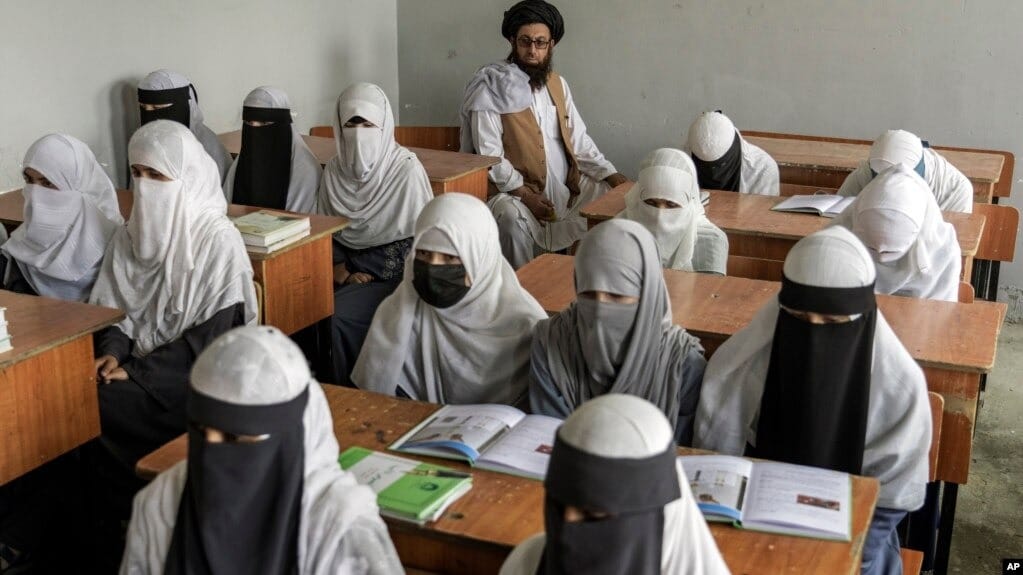
Perhaps the most disturbing recent development involves reported attacks on school buildings. Educational institutions have historically occupied a symbolic position within extremist strategies. Destroying schools is rarely intended merely to damage infrastructure; it seeks to attack hope itself. A functioning school represents state authority, social progress, female education, community resilience, and future economic opportunity. Consequently, educational institutions become symbolic targets for groups seeking to project power through fear.
Militant organizations often deny responsibility for attacks on schools, arguing that their struggle is directed solely against security forces. Such denials deserve careful scrutiny. Pakistan’s own history provides ample evidence that educational institutions have repeatedly been targeted during previous waves of militancy across both the former Federally Administered Tribal Areas (FATA) and settled districts of Khyber Pakhtunkhwa. Hundreds of schools—particularly girls’ schools—were destroyed during earlier insurgencies, fundamentally disrupting education for an entire generation.
Beyond the immediate physical destruction, attacks on schools produce long-term psychological consequences. Parents become reluctant to send children to classrooms. Teachers seek transfers. Development projects stall. Communities become trapped between fear of militants and dependence upon security forces. The ultimate objective extends far beyond the destruction of buildings; it is the erosion of public confidence. This broader strategy explains why terrorist violence increasingly targets civilian infrastructure alongside uniformed personnel. Another dimension deserving serious reflection is the apparent effort by militant groups to extend their influence into urban environments. Historically, mountainous terrain and remote tribal districts provided operational sanctuaries. Today, however, attacks increasingly occur along highways, near populated settlements, and within districts once considered relatively stable.
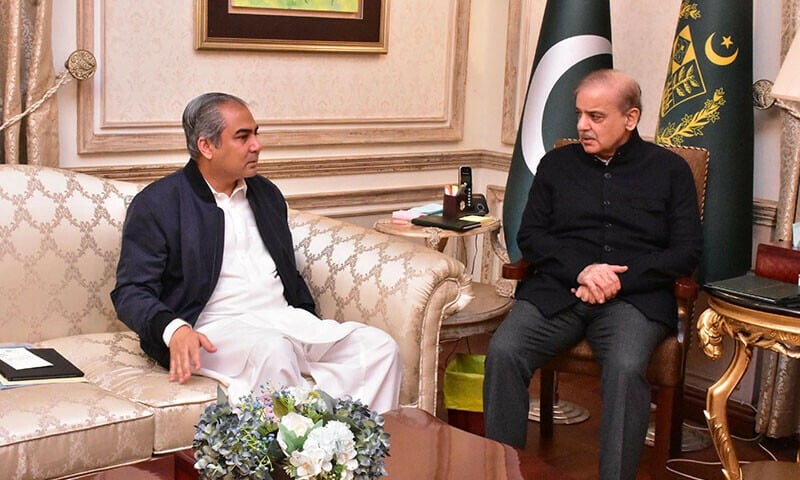
This shift suggests that militant organizations are attempting to demonstrate continued relevance despite sustained counterterrorism pressure. Equally important is the public perception of political leadership during periods of insecurity. Security challenges are never managed exclusively through military responses. Political leadership plays an equally essential role by demonstrating solidarity with victims, reassuring affected communities, supporting frontline police personnel, and communicating a unified national resolve against terrorism. Public criticism has increasingly focused on whether the provincial government has provided sufficient visible support to police officers and other law enforcement personnel who continue to sacrifice their lives. Symbolic gestures such as attending funerals, visiting injured officers, engaging directly with affected families, and publicly recognizing acts of bravery carry considerable significance within societies where communal solidarity remains deeply valued.
Leadership during crises is measured not merely by administrative decisions but also by public presence. When frontline personnel perceive that their sacrifices receive insufficient recognition, questions naturally emerge regarding morale, institutional confidence, and public trust. At the same time, criticism of political leadership should not obscure the immense burden carried by Khyber Pakhtunkhwa’s police force. Over the past decade, the provincial police have transformed into one of Pakistan’s most experienced counterterrorism institutions. Through improved intelligence gathering, specialized training, modernization initiatives, and close coordination with other security agencies, they have repeatedly confronted militant violence despite suffering heavy casualties. The recent CTD operation reflects the growing professionalism of these institutions. Intelligence-led policing has become an indispensable pillar of Pakistan’s counterterrorism architecture, enabling authorities to disrupt militant activity before attacks can be executed.
Yet operational success inevitably raises another difficult question: what broader strategy should accompany continued security operations? Pakistan has periodically alternated between military action, negotiated arrangements, localized peace initiatives, and broader political engagement with various militant actors. Each approach has produced varying degrees of success and failure depending upon local conditions and the willingness of armed groups to abandon violence. Many citizens understandably express a simple expectation: peace. Whether peace is pursued through dialogue, law enforcement, military operations, or political engagement ultimately remains a policy decision for the state. However, any chosen strategy must be coherent, transparent, and consistently implemented. Uncertainty regarding long-term policy can create confusion among affected communities while simultaneously providing militant organizations opportunities to exploit ambiguity.
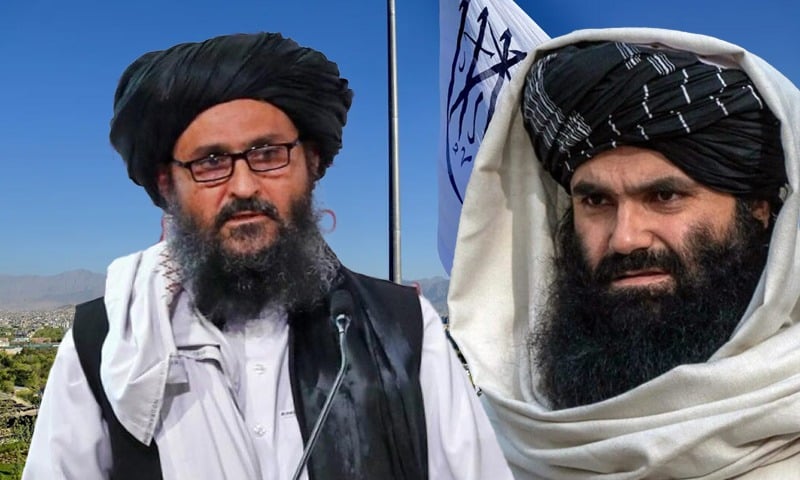
The deteriorating security environment in Khyber Pakhtunkhwa therefore cannot be viewed solely through the lens of individual incidents. Rather, it reflects a convergence of multiple challenges—operational, political, psychological, and regional—that require coordinated national attention. While the immediate focus remains on developments inside Khyber Pakhtunkhwa, the province’s security challenges cannot be separated from the broader regional environment. The security architecture of Pakistan’s western border has always been closely intertwined with political developments in Afghanistan. Every shift in Kabul has historically produced consequences—positive or negative—for Pakistan’s tribal belt and adjoining districts. Since the Taliban returned to power in Afghanistan in August 2021, the regional security equation has become significantly more complex. Expectations initially varied widely. Some believed that the Taliban’s return would contribute to border stability, while others feared that militant organizations operating across the region would find greater operational space. Nearly five years later, the reality appears far more complicated than either expectation.
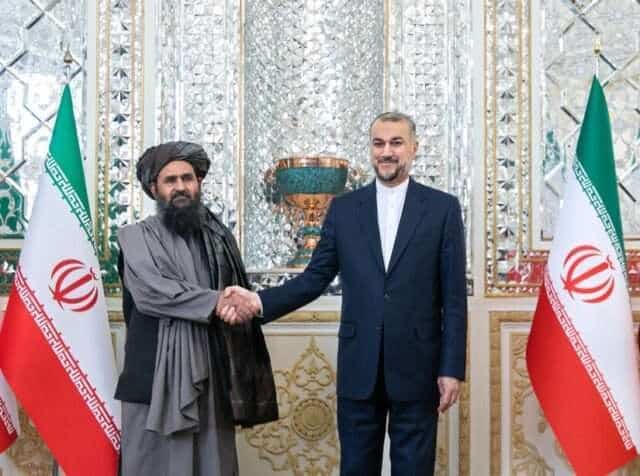
Afghanistan today is governed by an administration that exercises de facto control over the country but still faces limited international recognition. Diplomatic engagement has gradually increased, yet formal political acceptance remains restricted. The international community continues to balance humanitarian concerns with political conditions, creating an environment where engagement exists without full normalization. One of the most significant geopolitical developments has been Russia’s decision to formally recognize the Taliban administration after gradually expanding diplomatic engagement over recent years. Earlier policy shifts, including the removal of Taliban representatives from Russian terrorist listings, reflected Moscow’s evolving strategic calculations regarding Afghanistan.
Russia’s recognition represents more than a bilateral diplomatic gesture. It signals an attempt to establish influence in a region where multiple global and regional powers continue to compete for strategic access, economic connectivity, and security cooperation. China has likewise expanded practical engagement with Afghanistan, driven primarily by regional security concerns, border stability, economic interests, and connectivity initiatives. Beijing’s consistent emphasis has been the prevention of extremist organizations from using Afghan territory against neighboring states.
These developments naturally generate questions inside Pakistan regarding the future regional security landscape. However, one issue frequently misunderstood in public debate concerns reports that the United States continues to “fund the Taliban.” This narrative requires careful distinction between political recognition and humanitarian or financial mechanisms. The United States froze billions of dollars belonging to Afghanistan’s former central bank following the collapse of the previous Afghan government in 2021. Those funds remain largely inaccessible to the current Afghan authorities. Periodic transfers that have taken place in recent years have generally been described by U.S. officials as mechanisms designed to facilitate humanitarian assistance or support the functioning of essential services through international organizations rather than as unrestricted financial support for the Taliban administration itself.
This distinction matters because public discourse often simplifies an extraordinarily complex financial arrangement into the claim that Washington is directly financing the Taliban government. The available evidence suggests a more nuanced picture. Indeed, if the United States intended to provide unrestricted political support to the Taliban administration, the larger issue of Afghanistan’s frozen foreign reserves would likely have been resolved long ago. Instead, Washington has maintained diplomatic distance while continuing limited engagement on humanitarian matters, counterterrorism concerns, detainee issues, and regional stability through indirect diplomatic channels. Understanding these distinctions is essential because misinformation frequently shapes public perceptions of regional politics more powerfully than verified facts.
The security situation in Khyber Pakhtunkhwa cannot therefore be understood solely by examining events inside Pakistan. Cross-border dynamics, regional diplomacy, international competition, intelligence cooperation, refugee movements, economic instability, and ideological networks all influence the province’s security environment. At the same time, it is equally important to recognize that Afghanistan itself remains politically diverse. Although the Taliban currently administer the country, Afghan society consists of numerous ethnic, political, religious, and regional constituencies with differing perspectives regarding governance and the country’s future. Former political elites, resistance groups, civil society actors, tribal structures, and various regional stakeholders continue to shape Afghanistan’s evolving political landscape in different ways.
Consequently, reducing Afghanistan’s internal dynamics to a single political narrative risks oversimplifying an extraordinarily complex reality. For Pakistan, however, the immediate priority remains straightforward. The primary objective must be preventing militant organizations from exploiting cross-border spaces to organize attacks against Pakistani citizens and security personnel. That objective requires effective border management, sustained intelligence cooperation where possible, diplomatic engagement, and continued enhancement of domestic counterterrorism capabilities.
Yet security alone cannot permanently resolve Khyber Pakhtunkhwa’s challenges. Economic deprivation, unemployment, delayed development projects, educational disruption, and declining public confidence create conditions that militant organizations frequently seek to exploit. Young people without opportunities become more vulnerable to recruitment, while isolated communities become easier targets for intimidation and coercion.
Development therefore constitutes an essential pillar of national security. Roads, schools, hospitals, digital connectivity, vocational education, and employment opportunities contribute as much to long-term stability as military operations. Every functioning classroom weakens extremist narratives. Every new business reduces recruitment opportunities for violent organizations. Every successful development project strengthens public confidence in the state. Equally important is rebuilding the relationship between citizens and government institutions. Public trust cannot be restored through statements alone. It requires visible governance, consistent engagement with affected communities, transparent communication during crises, and meaningful support for the families of those who sacrifice their lives in the line of duty.
The bravery of police officers, Counter Terrorism Department personnel, Frontier Corps soldiers, intelligence officials, and local communities deserves recognition not merely during periods of crisis but as part of a sustained national commitment to those defending public security. Pakistan has defeated major waves of terrorism before. The country possesses experienced security institutions, improved intelligence capabilities, and a society that overwhelmingly rejects violent extremism. Those strengths remain significant national assets. However, history also teaches another important lesson. Militant organizations often seek victories not by defeating security forces militarily but by exhausting public confidence politically and psychologically. Their objective is to create fear disproportionate to their actual operational capacity.
For that reason, every successful intelligence-based operation must be matched by equally effective governance. Every recovered district must be followed by accelerated development. Every attack must be followed by stronger institutional resilience rather than political polarization. Every sacrifice made by law enforcement personnel must receive visible national recognition. Khyber Pakhtunkhwa today stands at another critical moment in its long struggle against militancy. The recent incidents in Dir, South Waziristan, and other affected districts should serve not as isolated headlines but as strategic warnings. They remind policymakers that terrorism evolves continuously, adapting its tactics, targets, and methods of influence.
Pakistan’s response must therefore evolve as well. Military professionalism, intelligence superiority, political unity, economic development, educational investment, community resilience, and regional diplomacy must operate together not as separate policies, but as components of one comprehensive national strategy. The people of Khyber Pakhtunkhwa have already paid an extraordinary price in blood, displacement, and sacrifice. They deserve not only security operations that neutralize immediate threats but also governance that restores confidence, institutions that inspire trust, and leadership that stands visibly beside them during moments of both grief and resilience. Only then can the province move beyond managing terrorism toward achieving something far more valuable lasting peace, durable stability, and a future in which fear no longer dictates the lives of its people.