
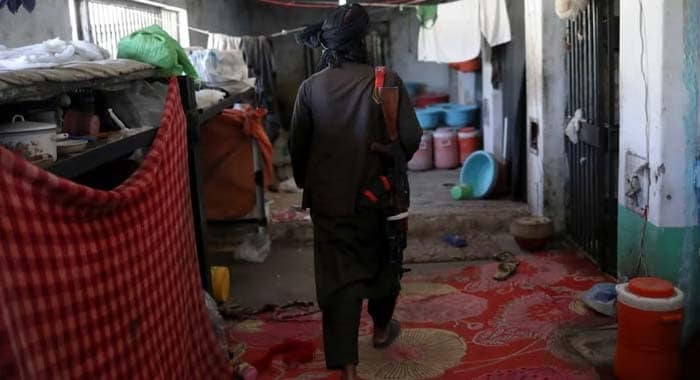
Former detainees and relatives of prisoners from across Afghanistan have renewed allegations of torture, arbitrary arrests, and forced confessions inside Taliban detention facilities, raising fresh questions about the regime’s human rights record and its repeated denials of abuse in custody.
Multiple former prisoners and family members, speaking anonymously due to security concerns, described a pattern of detention without formal charges, coercive interrogations, and physical mistreatment inside Taliban-run prisons. Their accounts suggest that allegations of abuse in custody continue to surface despite the Taliban’s public insistence that torture is prohibited under its legal framework.
One former detainee said he was held for more than 24 hours without being informed of any specific accusation and was subjected to severe interrogation methods. According to his testimony, detainees were restrained, blindfolded, and allegedly tortured with electric shocks in an effort to extract confessions.
Another former prisoner from Afghanistan’s northern Kunduz province claimed arrests were frequently carried out without credible evidence, with individuals accused of links to opposition groups or anti-Taliban activities. He alleged that mistreatment often continued after detainees were transferred to formal prison facilities.
The latest testimonies emerge against the backdrop of earlier reports involving the death of a young man in Herat who allegedly died as a result of torture while in Taliban custody, an incident that intensified concerns among rights advocates about accountability within the regime’s detention system.
Family members of other detainees have also described similar experiences. One relative said his brother was arrested despite having committed no crime and was allegedly tortured before being pressured to gather information on behalf of Taliban authorities after his release. Another father claimed his son was subjected to abuse and forced to confess while in detention.
A Growing Pattern of Allegations
The latest accounts add to a growing body of allegations that have shadowed Taliban rule since the group’s return to power in August 2021. Human rights organizations, former detainees, and international monitoring bodies have repeatedly documented claims of arbitrary detention, enforced disappearances, intimidation, and torture targeting critics, former security personnel, journalists, activists, and ordinary citizens.
Critics argue that such allegations undermine the Taliban’s efforts to project an image of stability and lawful governance. They contend that the use of coercive detention practices not only violates fundamental human rights but also deepens an atmosphere of fear across Afghan society.
Taliban spokesman Zabihullah Mujahid has previously rejected reports of abuse in detention facilities, maintaining that torture is forbidden under Taliban regulations and that prisoners’ rights are protected throughout the detention process.
However, those denials have been challenged by several former detainees, including women’s rights activists who have previously described being subjected to psychological pressure, coercive interrogations, and forced confessions while held by Taliban intelligence agencies. Among them is Zarifa Yaqoubi, who has publicly alleged that she and fellow detainees experienced various forms of abuse during their imprisonment.
The resurfacing of such testimonies is likely to intensify international scrutiny of the Taliban’s human rights record at a time when the regime is already facing criticism over restrictions on women, curbs on civil liberties, suppression of dissent, and its continued failure to meet international expectations on governance and accountability.
For many observers, the latest allegations reinforce concerns that Afghanistan’s detention system remains largely beyond independent oversight, making it difficult to verify conditions inside prisons while leaving former detainees and their families fearful of speaking publicly about their experiences.



