
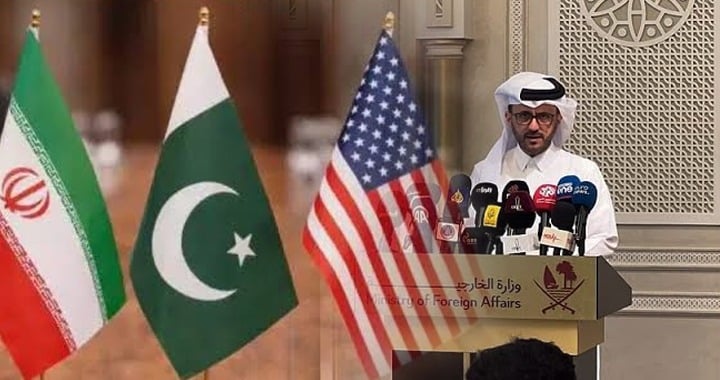
Qatar has said that ongoing negotiations between Iran and the United States require more time to succeed, while warning signs of renewed regional escalation continue to emerge amid growing military rhetoric and uncertainty surrounding the fragile ceasefire environment.
During a weekly briefing, Qatar’s foreign ministry said diplomatic engagement remained the best path forward and voiced support for mediation efforts aimed at keeping both sides at the negotiating table and preventing another regional conflict.
The statement came as fears of renewed confrontation resurfaced following recent remarks by US President Donald Trump, who warned of possible military action against Iran before later indicating that potential strikes had been paused due to what he described as serious negotiations.
At the same time, Iranian officials and military figures have intensified warnings over the consequences of any future attack, signalling that Tehran is preparing for the possibility of another round of conflict.
According to foreign media reporting, Iranian military planners believe any future war would likely be shorter in duration but far more intense, potentially involving coordinated strikes on Iran’s energy infrastructure alongside large-scale retaliatory missile attacks across the region.
The reports stated that Iran had deliberately limited some of its missile operations during the earlier phase of the conflict in order to preserve capabilities for a prolonged confrontation. Analysts now believe Tehran could launch dozens or even hundreds of missiles daily in any renewed war scenario to shift the military balance and increase pressure on adversaries.
Energy infrastructure across the Gulf is also increasingly being viewed as a potential target zone in the event of escalation. Oil facilities, refineries, ports, and maritime routes could face serious threats, raising concerns over disruption to global energy markets and international shipping.
Particular attention has again turned toward the Strait of Hormuz and the Bab al-Mandab waterway, both considered critical arteries for global oil transport. Analysts warn that instability in either route could rapidly affect international trade flows and energy prices worldwide.
Iranian military officials have meanwhile issued strong statements regarding control of strategic waterways, warning that regional conditions would not return to previous norms if Tehran came under attack. Iranian state-linked media also carried comments suggesting that any future confrontation would trigger new fronts and broader regional responses involving advanced military capabilities.
The latest developments underscore mounting concerns that despite ongoing diplomacy, the Middle East remains dangerously close to another cycle of military escalation with potentially global economic consequences.



