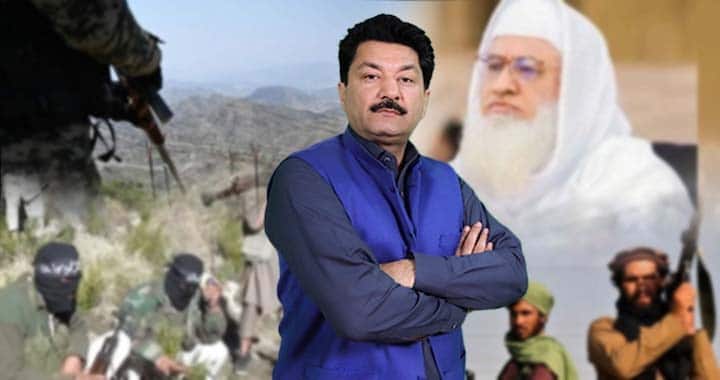
Whenever such a tragic incident, like Sheikh Idris’s killing, occurs, the motive behind it is rarely ambiguous. It is almost always rooted in the intent to spread fear, to create chaos, and to inject instability into an already fragile environment. In the case of Sheikh Idrees’ assassination in Charsadda, the group that has claimed responsibility, Daesh Khurasan or ISKP, fits squarely within that pattern.
ISKP does not operate with overwhelming numerical strength, nor does it maintain the kind of widespread presence associated with other terrorist outfits like the TTP or the Gul Bahadur group. Yet, what it lacks in scale, it compensates for through precision and spectacle. Its attacks are often calculated, high-profile, and designed to resonate far beyond the immediate site of violence.
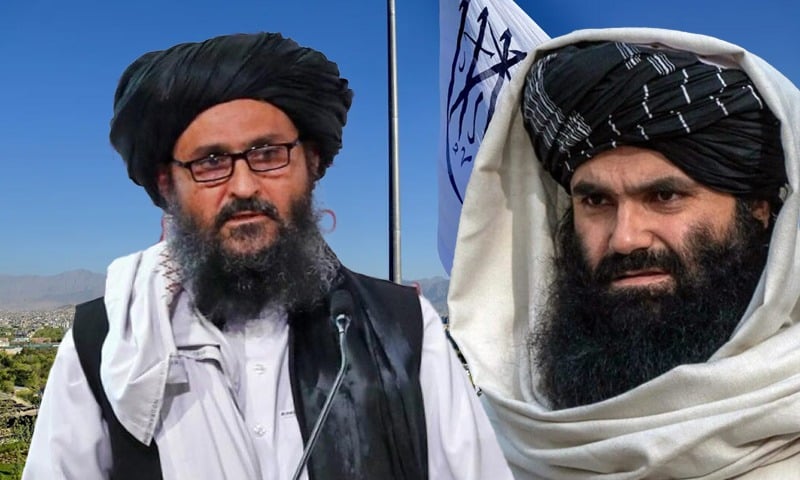
When this incident unfolded, initial suspicion naturally gravitated toward multiple actors. The banned TTP, the Gul Bahadur group, and even the Afghan Taliban were all considered, particularly given Sheikh Idrees’ reported role in easing tensions between Pakistan and Afghanistan. However, these groups distanced themselves and, in some cases, even issued statements of condolence. It was only later that ISKP stepped forward to claim responsibility, consistent with its pattern of inserting itself into high-impact incidents to reinforce its relevance.
This is not unprecedented. The attempted attack on Maulana Fazl-ur-Rehman in Peshawar in July 2023, the devastating Bajaur workers’ convention bombing that claimed around 80 lives, these incidents bear the same signature. ISKP targets moments and individuals that carry symbolic weight, ensuring that each strike echoes across political, religious, and social domains.
The deliberate targeting of religious scholars is particularly telling. Scholars occupy a unique position in society, especially in regions like Khyber Pakhtunkhwa and the tribal districts. They are not merely religious figures but also mediators, influencers, and, at times, bridges between conflicting sides. Removing such individuals from the equation is not just an act of violence, it is a strategic disruption.
Sheikh Idrees was one such figure. His influence extended beyond borders, with students from Pakistan, Afghanistan, India, and Bangladesh benefiting from his teachings. His association with religious dialogue, and reportedly with efforts aimed at easing Pakistan–Afghanistan tensions, placed him in a category that certain forces would view as inconvenient.
At the same time, the assassination did not occur in a vacuum. It came at a moment when Pakistan–Afghanistan relations were passing through a delicate phase of cautious engagement. While tensions had not disappeared, there were visible, if limited, attempts at stabilisation through dialogue and local arrangements.
From broader diplomatic channels such as the Urumqi process to localized understandings along the border regions, including Mohmand, Bajaur, and Kunar, there had been incremental signs of de-escalation. These were not comprehensive agreements, but fragile steps toward reducing friction in an otherwise volatile frontier.
In fact, just a day before the incident, tribal elders from Bajaur and Mohmand had engaged with counterparts in Kunar, resulting in a localized ceasefire understanding. Displaced families were encouraged to return, and both sides reportedly agreed to restrict the presence of non-state armed actors in their respective areas. While limited in scope, such arrangements represented rare grassroots momentum toward stability.
Within the same diplomatic environment, engagement through indirect and semi-formal channels involving religious scholars had also begun to emerge. These efforts were not always official in nature, but they reflected an evolving recognition that scholars could function as soft intermediaries in a complex conflict landscape.
Sheikh Idrees was widely viewed as part of this emerging informal bridge space. His religious standing, cross-border influence, and engagement with Afghan scholarly circles positioned him as a figure capable of easing tensions where formal diplomacy often struggled.
This is where the convergence becomes critical: the peace arc and the violence arc intersect at the same individual.
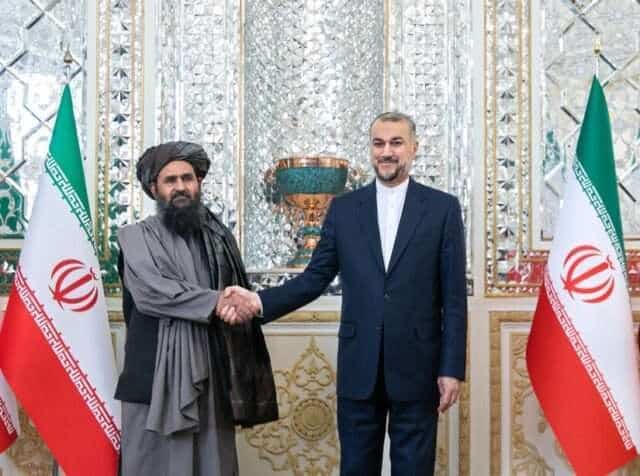
There are also broader signals from the regional diplomatic environment. Statements emerging from Afghan officials, including Amir Khan Muttaqi, reflected both openness and tension simultaneously, indicating that while dialogue existed, trust deficits remained deeply entrenched. Similarly, China-linked engagements such as the Urumqi discussions had generated cautious optimism, but without structural guarantees.
Against this backdrop, Sheikh Idrees’ assassination effectively disrupts a space that was still in formation, not yet consolidated.
There is also a strategic dimension to this disruption. Forces that benefit from sustained tension between Pakistan and Afghanistan do not necessarily operate through direct confrontation alone. Interrupting trust-building mechanisms, especially those involving respected religious intermediaries, can be equally effective in reversing progress.
If such figures are systematically eliminated, the space for dialogue narrows. Trust deficits widen. Informal channels collapse before they mature. And in their absence, the environment reverts to suspicion, rhetoric, and confrontation.
There are also indications that forces opposed to Pakistan–Afghanistan rapprochement may benefit from such disruptions. Stability between the two countries does not serve every actor in the region. In that sense, the assassination risks becoming more than an isolated act, it becomes a trigger for reversing fragile gains.
Domestically, the pattern of targeted killings of religious scholars further complicates the picture. From Maulana Sami-ul-Haq to Maulana Hassan Jan, and now Sheikh Idrees, the list is long, while accountability remains limited. Many such cases remain unresolved, reinforcing a persistent sense of vulnerability.
Adding another dimension, shortly before his assassination, Sheikh Idrees had publicly appreciated Pakistan’s diplomatic role in easing international tensions, even mentioning senior leadership. This led to criticism and organized backlash in certain circles. Whether such developments are directly linked to the attack remains under investigation, but they form part of the broader context.
Operationally, early findings suggest the involvement of multiple individuals, with at least one reportedly linked to Afghanistan. Whether this reflects cross-border facilitation or the movement of operatives within an already interconnected network remains to be established. ISKP’s presence across both territories complicates attribution and response.
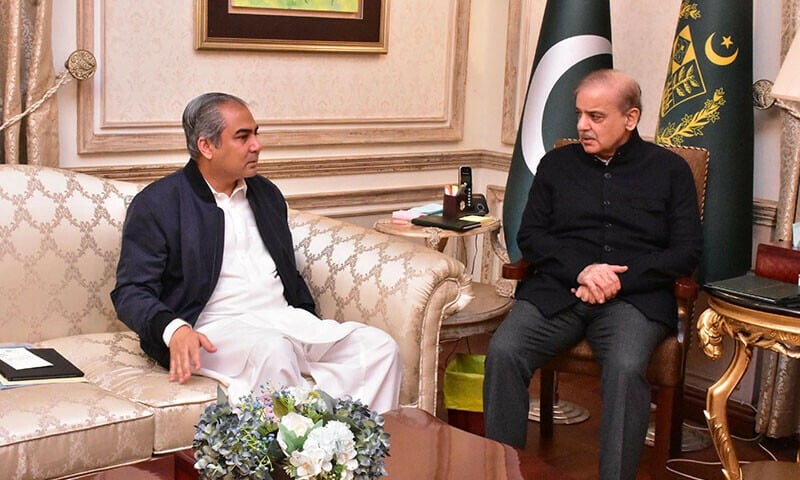
It is also important to recognize the scale of response that followed. The President of Pakistan, Prime Minister Shehbaz Sharif, Field Marshal Asim Munir, all four provincial chief ministers, governors, and senior religious leadership, including Maulana Fazl-ur-Rehman, strongly condemned the killing. Messages of solidarity also emerged from across the Muslim world, reflecting the stature Sheikh Idrees held and the gravity of the loss.
The Corps Commanders’ Conference is viewed within the broader one-year strategic cycle from May 2025 to May 2026, a period marked by nationwide commemorations of what is described as Marka-e-Haq. Across major cities, smaller towns, and educational institutions, public events and rallies have been held to mark the anniversary of what is presented as a military success, alongside reflection on both achievements and shortcomings.
In this context, any state emerging from a major military confrontation is understood to undertake a structured reassessment of its defence posture. Reference is made to Pakistan’s engagements with India between May 7 and May 10, 2025, as well as parallel developments in the broader regional environment, including Iran and the Middle East, and evolving perceptions of global defence vulnerabilities.
The assessment framework is multi-layered, incorporating maritime security, land-based threats, and internal destabilisation risks. It also reflects the changing nature of warfare, where traditional ground forces such as tanks and artillery remain relevant but are now supplemented by advanced systems including missile technology, drone warfare, and integrated air defence capabilities. Pakistan’s nuclear deterrent is also referenced as part of its strategic defence architecture.
Within this evolving landscape, the Corps Commanders’ Conference serves as a central institutional mechanism for reviewing national security preparedness. The discussion includes reference to Operation Bunyan al-Marsoos, described as a retaliatory response to Operation Sindoor, with the claim that Pakistan achieved operational success, including the downing of aircraft, which is asserted to have received international acknowledgment of Pakistan Air Force capability.
The conference also reinforces a deterrence-based posture, stating that any future aggression against Pakistan would be met with a stronger response. In this context, Operation Ghazab-lil Haq is referenced as an ongoing retaliatory framework in response to attacks inside Pakistan, particularly in cases where Afghan territory is alleged to be used for planning or facilitation.
A further dimension of the discussion concerns information warfare and narrative control. It is argued that certain incidents are subject to propaganda efforts that distort the reality of counterterror operations, portraying them as actions against civilians rather than against armed elements. Such narratives, it is stated, were collectively rejected within the conference.
Ultimately, the core emphasis of the Corps Commanders’ Conference remains the continuous review of defence arrangements, operational readiness, and inter-service coordination under the leadership of Field Marshal Syed Asim Munir, with the entire military leadership engaged in structured strategic evaluation.
The pattern, however, is clear. Remove influential voices, disrupt emerging peace channels, and maintain an environment of uncertainty.
And in that pattern, Sheikh Idrees’ killing is not just an incident, it is a signal.