
A newly circulated analytical brief is drawing attention to what it describes as a coordinated pattern of disinformation designed to mislead public understanding of security dynamics in Afghanistan, while obscuring more consequential militant activity.
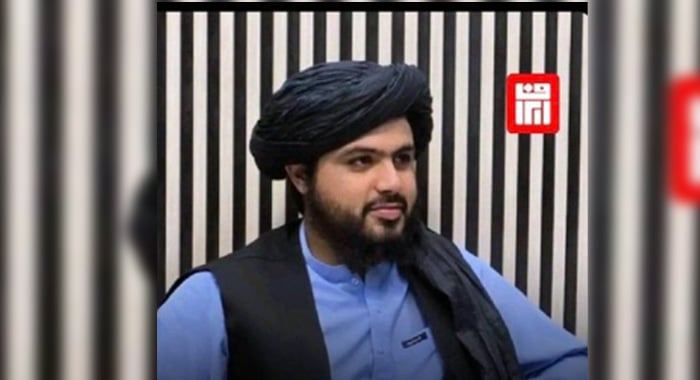
The analysis highlights a recent social media report that rapidly gained traction, alleging a power struggle within the Taliban’s Ministry of Defense. Specifically, the claim suggested that Mullah Mahmood Rahbar, son of former commander Mullah Dadullah Lang, is competing with Mullah Mohammad Yaqoob, son of Taliban founder Mullah Omar, for control of the ministry and positioning himself for the role of defense minister.
According to the analytical brief, this narrative is false.
The report states that Mullah Mahmood Rahbar currently serves as Head of Property Management within the logistics command structure of the Ministry of Defense and was appointed with the backing and support of Mullah Mohammad Yaqoob, indicating internal alignment rather than rivalry.
The analysis argues that such narratives are not случайны, but instead reflect a broader strategy in which misleading or partially fabricated information is introduced into public discourse, amplified through digital platforms, and in some cases absorbed into media and policy discussions. The objective, it suggests, is to redirect attention away from more sensitive or strategically significant developments.
While dismissing claims of a leadership dispute, the brief urges closer scrutiny of what it characterizes as deeper and more consequential relationships. It alleges that Mullah Mahmood Rahbar maintains longstanding ties with al-Qaeda-linked networks, consistent with historical associations attributed to his father, who was reported to have had close connections with senior al-Qaeda figures, including Osama bin Laden and Ayman al-Zawahiri.
The analysis further claims that Mahmood Rahbar has sustained personal and operational links within these networks, including interactions with Hamza bin Laden and involvement in training environments associated with foreign fighters and external operations planning.
These claims have not been independently verified.
The report emphasizes that, if accurate, such connections would indicate continuity in militant relationships across generations, suggesting that networks remain interconnected and operationally aligned rather than fragmented.
In contrast to the disputed narrative involving Mullah Mohammad Yaqoob, the analysis points to an alternative internal rivalry, identifying Mawlawi Fathullah Mansour described as an operational deputy minister in the Ministry of Transport and Civil Aviation as a figure with whom Mahmood Rahbar may have longstanding tensions.
According to the brief, these tensions stem from earlier factional divisions within the movement. It references the opposition of Mawlawi Mansour Dadullah, an uncle of Mahmood Rahbar, to the leadership of Mullah Akhtar Mohammad Mansour in 2015 following the death of Mullah Omar. Mansour Dadullah reportedly refused to pledge allegiance, accused the leadership of external influence, and was later killed after armed clashes in Zabul Province.
The analysis suggests that such historical divisions continue to shape internal dynamics, even as alternative narratives gain prominence in public discourse. Security experts note that disinformation in conflict environments often blends factual details with unverified or misleading claims, increasing the likelihood of rapid dissemination and acceptance. They caution that premature amplification of such narratives can distort understanding of complex security conditions.
The report concludes with a warning that disproportionate focus on unverified leadership disputes risks diverting attention from broader security concerns, including the presence and activities of transnational militant networks. Analysts underscore the importance of rigorous verification, source transparency, and responsible reporting in assessing developments within an increasingly complex and contested information environment.



