(Shamim Shahid)
In South Asia’s volatile political landscape, information often travels faster than verification, and perception frequently overtakes fact long before truth can catch up. Nowhere is this more visible than in the evolving and increasingly complex discourse surrounding Afghanistan–Pakistan relations, particularly in the context of militant networks, cross-border security claims, and ongoing diplomatic engagements.
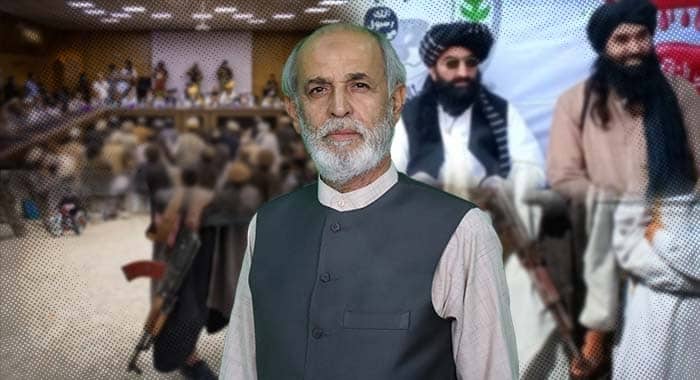
At the center of current debate is a recurring claim circulating in both Afghan and Pakistani media that members of the Tehrik-i-Taliban Pakistan (TTP) or affiliated groups have been arrested inside Afghanistan. However, there is no official confirmation from Afghan authorities or the Taliban administration to substantiate these reports. In the absence of names, numbers, or formal statements, such claims remain unverified and fall within a grey zone where intelligence inputs, political messaging, and rumor often overlap.
The issue, however, is not merely whether arrests have taken place. The deeper concern lies in what these narratives reveal about trust deficits, intelligence competition, and the strategic use of ambiguity in a region where silence itself often carries political meaning.
Afghanistan’s current information environment remains tightly controlled, leaving little room for independent verification. In such circumstances, even serious allegations such as the detention of militant operatives cannot be easily confirmed or dismissed. Restricted media access, limited reporting freedom, and opaque internal security structures ensure that silence is not absence, but often a form of communication.
Even if movements of suspected militants are taking place whether relocation or dispersal from known areas this does not necessarily confirm arrests. It may simply reflect tactical repositioning in response to surveillance pressure or shifting security dynamics.
This creates a situation where multiple narratives coexist: one suggesting action against militant elements, and another indicating strategic concealment or managed visibility. In both cases, the truth remains suspended between claim and confirmation.
The regional security equation continues to reflect a structural paradox. On one hand, there are repeated demands for decisive action against militant groups operating across borders. On the other, internal political and security constraints limit the extent to which visible or verifiable action can be demonstrated.
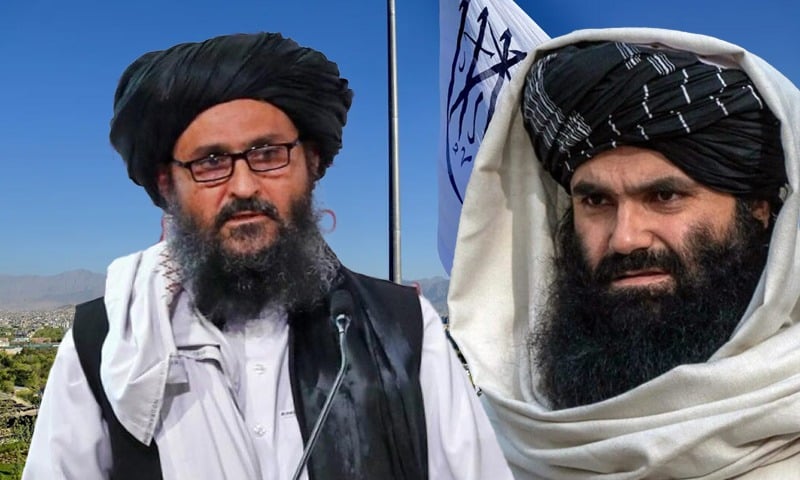
It is also evident that certain militant figures may no longer be present in visible urban centers and may have dispersed into less accessible regions. If accurate, this does not necessarily indicate neutralization, but rather redistribution an attempt to reduce visibility without dismantling operational capacity.
This distinction is critical: removing actors from sight does not automatically remove their influence. It only complicates tracking, attribution, and verification. From a policy perspective, any confirmed arrests would represent a significant development. But without transparent judicial processes or verifiable documentation, such reports remain symbolic rather than substantively proven.
Perception has increasingly become a form of political currency in the region. Even cooperative gestures, if not clearly substantiated, are quickly interpreted through suspicion.In such an environment, arrests become rumors, movements become concealment, and dialogue becomes performance unless supported by visible and verifiable outcomes.
This is further complicated by differing institutional expectations. One side demands legal clarity, formal acknowledgment, and documented proceedings, while the other operates within a framework shaped by internal priorities, sovereignty sensitivities, and limited international recognition. The result is a persistent mismatch in expectations that continues to erode trust.
Internal political dynamics also remain complex. Ideological differences, ethnic sensitivities, and governance challenges continue to shape the broader landscape beneath surface-level stability. At the same time, external pressure particularly security-related tension often temporarily suppresses internal divisions, creating short-term cohesion against perceived external challenges.
Opposition elements remain largely fragmented and dispersed outside the country, limiting their collective influence and leaving little organized internal counterbalance. This dynamic further consolidates existing structures despite the absence of broad-based political consensus.
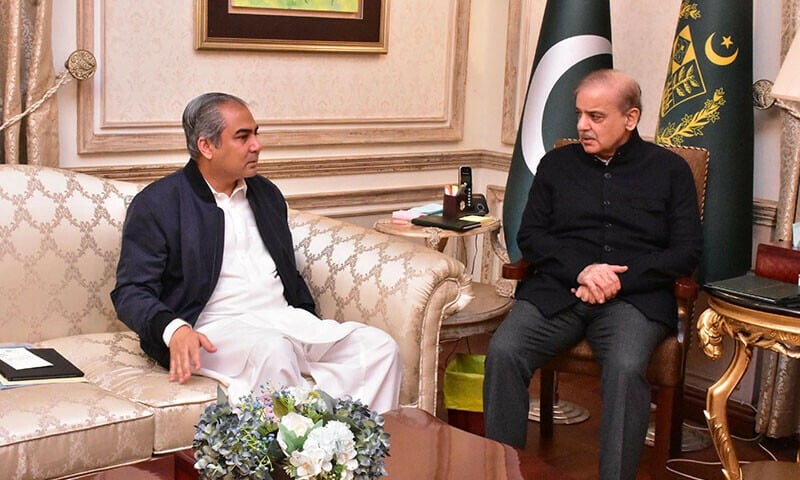
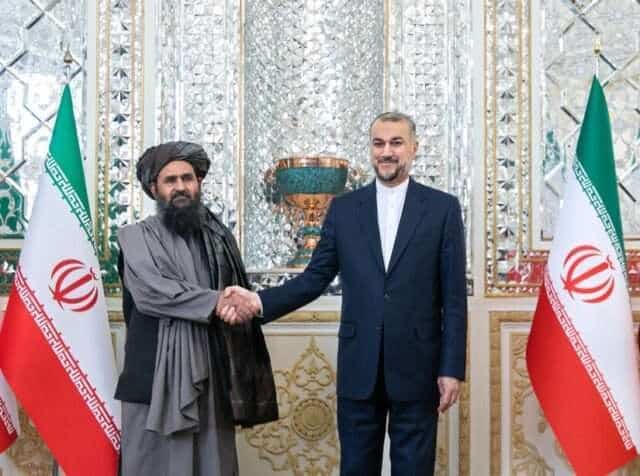
Reported communication between diplomatic representatives and provincial officials reflects routine administrative coordination rather than political breakthroughs. Given the scale of refugee movement and border management challenges, such contact is operationally necessary. However, in a highly sensitive environment, even routine communication is often interpreted through symbolic or strategic lenses. Every interaction—whether a phone call or meeting risks being read as evidence of shifting alignments, even when it is purely procedural.
Beyond security narratives, the humanitarian dimension remains central. Large-scale population movement and pressure at border crossings such as Torkham continue to strain administrative systems while shaping public sentiment on both sides. Improved management of refugee flows and more humane, orderly processes could contribute to long-term stabilization. Poor handling, however, risks deepening resentment and increasing friction in an already sensitive environment.
Repeated rounds of talks held in multiple regional forums have yet to produce a durable or enforceable framework addressing core security concerns. The persistence of mistrust and differing strategic priorities continues to limit the effectiveness of diplomatic engagement. Without a fundamental shift in approach or expectations, negotiations are likely to remain cyclical rather than conclusive.
At the heart of all these dynamics lies a single persistent challenge: absence of trust. Whether the issue is alleged arrests, diplomatic contact, or multilateral dialogue, every development is filtered through suspicion.Even genuine cooperation struggles to establish credibility. Actions are questioned, intentions are doubted, and outcomes are rarely accepted without contestation. This trust deficit is reinforced by historical grievances, geopolitical pressures, and competing security priorities, leaving the region trapped in a cycle where progress is often announced but rarely consolidated.
On the surface, there are signs of movement reports of arrests, diplomatic communication, and ongoing negotiations. But beneath this surface lies a deeper structural stagnation defined by uncertainty, fragmentation, and mistrust. The core challenge is not lack of dialogue, but lack of shared credibility. Without mechanisms for verification, transparency, and accountability, even positive developments risk dissolving into competing narratives.
The region continues to exist in a space where perception often outweighs fact, and where the boundary between reality and interpretation remains deliberately blurred. Until that balance changes, the situation will remain suspended between possibility and persistent uncertainty.