
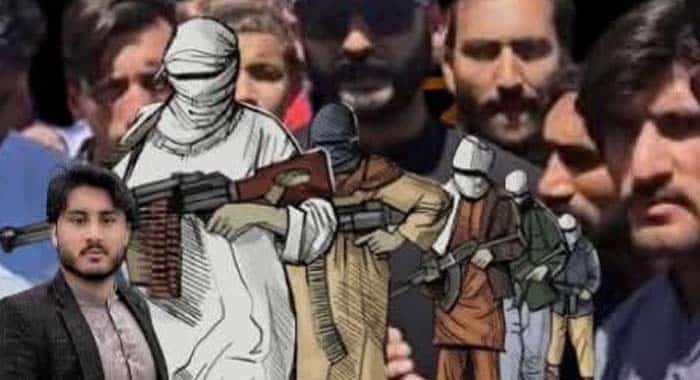
Each time security forces tighten the noose around terrorists, a familiar pattern begins to unfold in certain areas, sudden protests emerge, often at the most critical stages of operations. The timing is not just noticeable, it is deeply consequential, and it raises a question that many ordinary citizens continue to ask: why do these reactions surface precisely when terrorists are under pressure?
According to informed sources, this phenomenon is rarely spontaneous. Terrorist groups, including the banned Tehreek-e-Taliban Pakistan (TTP), are known to exploit local dynamics by exerting pressure on influential figures and young people within communities. Through intimidation, coercion, or fear, individuals are pushed to mobilize protests that can disrupt or slow down ongoing operations.
At the same time, another layer complicates the picture. Certain opportunistic elements appear to leverage these moments for political gain. By positioning themselves as voices of the people, they attempt to build public support, often under the guise of addressing local grievances. However, the immediate effect of such protests frequently aligns with the interests of terrorist groups rather than the security of the community.
There is also a discernible pattern in how these protests escalate. When terrorists find themselves encircled with limited escape routes, demonstrations tend to intensify. This creates distractions, divides attention, and in some cases, opens narrow windows that can be exploited for escape.
A Pattern That Demands Reflection
This recurring sequence is not merely a coincidence; it reflects a deeper challenge in the fight against terrorism. While security forces engage directly with armed groups, the indirect support structures, whether through fear, manipulation, or political opportunism, continue to complicate efforts on the ground.
For lasting peace to take root, the role of society becomes critical. Identifying and distancing from facilitators, in whatever form they may appear, is not just necessary, it is essential.
Sustainable peace is not built through disruption at decisive moments, it is shaped through awareness, responsibility, and collective resolve.



