
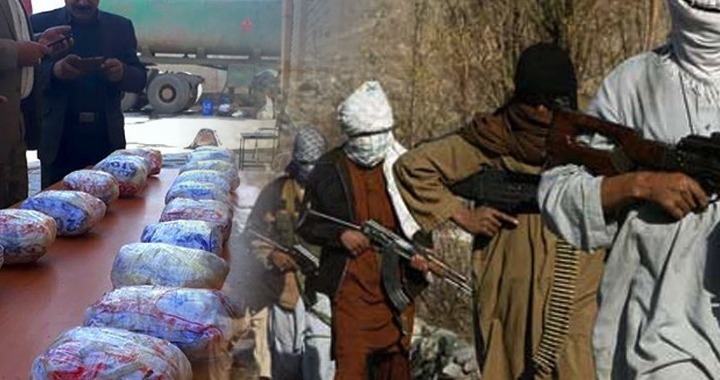
Afghanistan’s ongoing collapse has created more than a humanitarian crisis—it has spawned a robust shadow economy that feeds militancy, fuels illicit trade, and directly affects Pakistan’s security landscape. Analysts note that ungoverned spaces in Afghanistan are increasingly monetized through narcotics smuggling, illegal taxation by local power brokers, and black-market trade, all of which sustain militant operations along the border.
The banned Tehreek-e-Taliban Pakistan (TTP), Balochistan Liberation Army (BLA), and other extremist actors leverage these financial networks to recruit, train, and sustain fighters. Intelligence reports indicate that cash, weapons, and logistical support often move seamlessly across Pakistan’s western borders, highlighting the structural vulnerability of Khyber Pakhtunkhwa and Balochistan provinces.
Experts stress that this war economy is not static. Rising Afghan insecurity allows local militias and extremist organizations to control trade corridors, smuggling routes, and informal taxation networks, generating revenue streams that bypass conventional financial oversight. Pakistan’s law enforcement and intelligence agencies face the dual challenge of monitoring these flows while simultaneously countering cross-border militancy.
The narcotics trade, particularly opiates, remains a critical element of this illicit ecosystem. Pakistan, as a neighboring transit country, experiences heightened exposure to drug trafficking, which in turn funds criminal and extremist networks. Analysts warn that without coordinated regional financial intelligence, these flows will continue to expand, creating self-sustaining cycles of instability.
Authorities suggest that a multi-layered approach is required: enhanced border monitoring, real-time financial intelligence sharing, and international collaboration to track and disrupt illicit networks. Experts also emphasize the need for legal and economic measures within Afghanistan to curtail exploitation by non-state actors.
Afghanistan’s war economy illustrates how economic collapse can morph into a direct security threat. For Pakistan, the stakes are high: unchecked illicit networks not only fund terrorism but also undermine governance, erode economic stability, and perpetuate cycles of violence across the border. The solution demands a blend of security vigilance, financial disruption, and strategic regional cooperation.



