
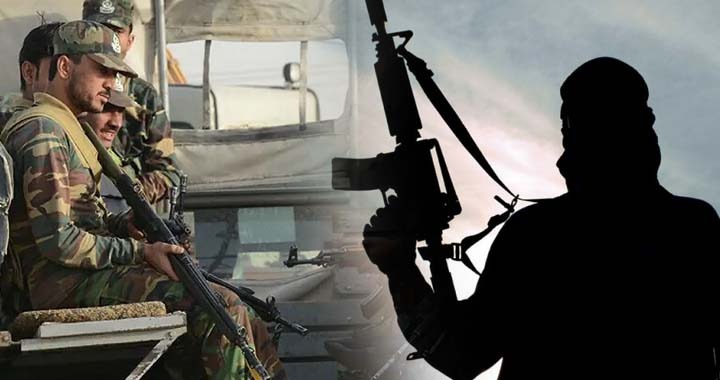
The impact of Pakistan’s ongoing counterterrorism efforts, particularly Operation Ghazab Lil Haqq, is beginning to reflect on the ground, with a significant decline in violence recorded across the country.
According to a monthly report released by the Pakistan Institute for Conflict and Security Studies, war-related fatalities dropped by 35 percent in March 2026 compared to the previous month.
Data shows that a total of 331 people were killed in March, down from 506 in February, indicating a notable improvement in the overall security environment.
The report attributes this decline to intensified operations launched in the last week of February under Operation Ghazab Lil Haqq, including cross-border strikes targeting terrorist sanctuaries inside Afghanistan. These actions, it notes, have significantly degraded the operational capacity of terrorist groups to carry out high-impact attacks.
Despite announcements by groups such as the banned Tehreek-e-Taliban Pakistan (TTP), Jamaat-ul-Ahrar, and Ittehad-ul-Mujahideen regarding increased activity, their overall impact remained limited, with a marked reduction in fatalities.
The most significant improvement was observed in civilian protection. Civilian deaths dropped sharply from 132 in February to just 39 in March, reflecting a 70 percent decrease. Security forces’ fatalities also declined from 80 to 59, while terrorist deaths fell from 294 to 228.
The report further highlights a 37 percent reduction in overall injuries, with 210 people wounded in March compared to 333 in February. Notably, injuries among terrorists surged by 138 percent, pointing to more effective and targeted responses by security forces.
A Shift in the Battlefield Dynamics
Analysts say the destruction of cross-border safe havens under Operation Ghazab Lil Haqq has disrupted terrorist networks, limiting their ability to execute coordinated and high-casualty attacks.
While the number of attacks saw a slight increase, the report underscores that their lethality and ability to target high-profile objectives have significantly diminished, marking a critical shift in Pakistan’s counterterrorism landscape.
The findings suggest that sustained operational pressure, combined with proactive targeting of sanctuaries, is reshaping the battlefield, reducing the scale and impact of terrorist violence across the country.



