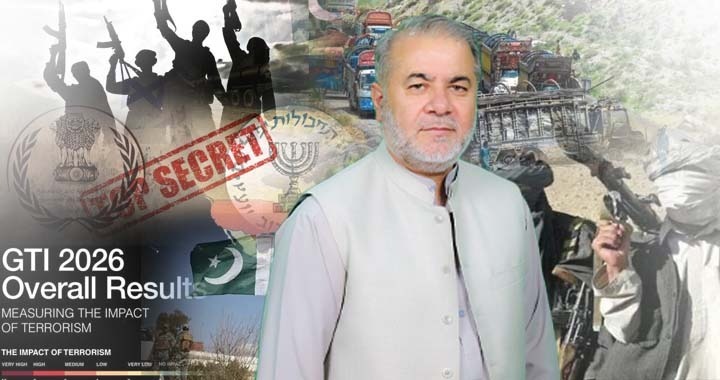
Pakistan’s ongoing counterterrorism campaign is beginning to yield measurable results, with recent data indicating a significant decline in terrorist incidents, particularly across Khyber Pakhtunkhwa and Balochistan. This shift reflects not only operational success but a broader transformation in the country’s security strategy, where precision, intelligence, and cross-border deterrence are working in tandem.
Official figures suggest that terrorist incidents have dropped by nearly 65 percent in recent months. This decline follows a series of targeted operations and calibrated actions along Pakistan’s western frontier, including precision strikes against terrorist infrastructure used for planning and coordination across the border. The outcome is not incidental; it is the result of sustained pressure applied across multiple operational domains.
The evolving security environment indicates that terrorist networks are no longer operating with the same level of freedom they once enjoyed. Disruptions in their command structures, logistical chains, and communication systems have forced these groups into a reactive posture. The reduction in large-scale coordinated attacks underscores this shift.
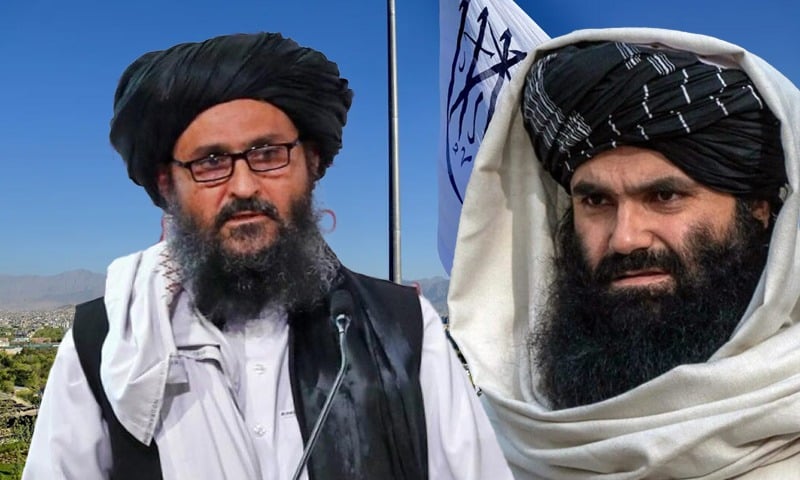
At the same time, developments across the border have added another layer to the changing dynamics. Increasing diplomatic and regional pressure on Kabul has created a more constrained environment for groups that previously exploited ungoverned spaces. There are growing indications that the space for such elements is shrinking, even if inconsistencies remain in enforcement.
However, the decline in violence does not imply the elimination of the threat. Terrorist groups have historically demonstrated the ability to adapt, shifting tactics rather than abandoning operations altogether. One such adaptation is the continued use of intimidation and extortion networks, particularly targeting politically exposed individuals and business communities.
These extortion campaigns are not random acts of criminality. They are structured financial mechanisms designed to sustain terrorist operations. By targeting individuals with influence or visibility, these groups aim to generate funds while simultaneously creating a climate of fear. In many cases, the sophistication of these operations suggests organized networks with defined roles, access to data, and, in some instances, cross-border coordination.
What is equally significant is the convergence between terrorism and criminal economies. Illicit trade, smuggling routes, and underground financial systems are increasingly intertwined with terrorist financing. This convergence complicates the security landscape, requiring responses that go beyond traditional counterterrorism measures.
Pakistan’s response, however, reflects a growing recognition of this complexity. The integration of intelligence-based operations with broader enforcement mechanisms has improved the state’s ability to detect, disrupt, and dismantle such networks. Law enforcement agencies have successfully traced and neutralized several extortion cells, demonstrating that these threats, while persistent, are not beyond control.
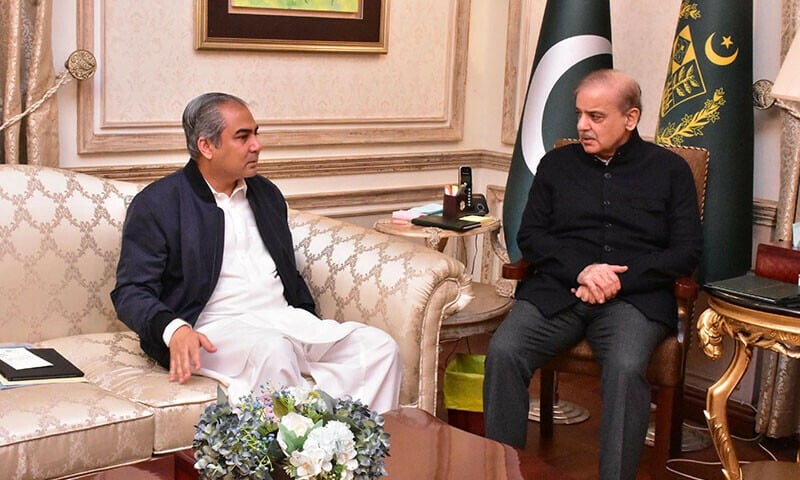
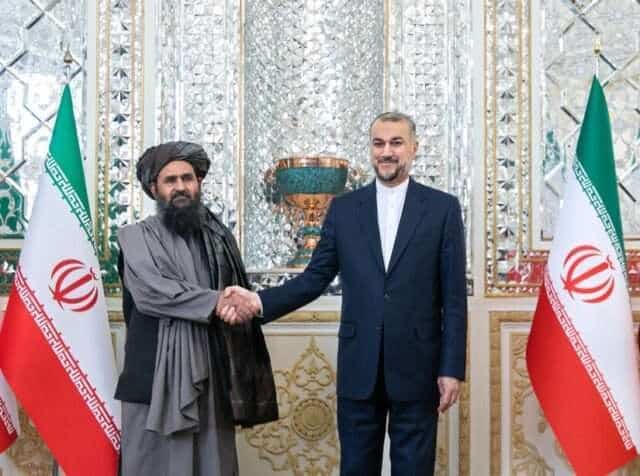
Diplomatic developments also point toward cautious optimism. There are emerging signals that dialogue channels may regain traction, particularly with increased involvement from regional stakeholders. Constructive engagement, if backed by verifiable actions, could contribute to stabilizing the broader security environment.
Yet, the trajectory remains conditional. The sustainability of the current decline in violence depends on whether cross-border safe havens are effectively addressed and whether commitments made at the diplomatic level translate into tangible outcomes on the ground. Without this alignment, gains may remain vulnerable to reversal.
The current phase of Pakistan’s counterterrorism effort highlights a decisive shift from reactive responses to proactive, intelligence-led operations supported by strategic deterrence. This approach is not only reducing immediate threats but also reshaping the operational environment in which terrorist groups function.
Pakistan today stands in a position of strategic control, where its actions are influencing both the tempo and direction of security developments across the region. The message is clear: sustained pressure, combined with precision and policy clarity, can alter even the most entrenched threat landscapes.
The broader regional outlook now hinges on whether this momentum is reinforced through consistent policy execution and cooperative frameworks. If maintained, the current trajectory suggests not just a temporary reduction in violence, but the potential for a more durable shift in the region’s security equilibrium, one in which Pakistan continues to lead from the front in the fight against terrorism.