
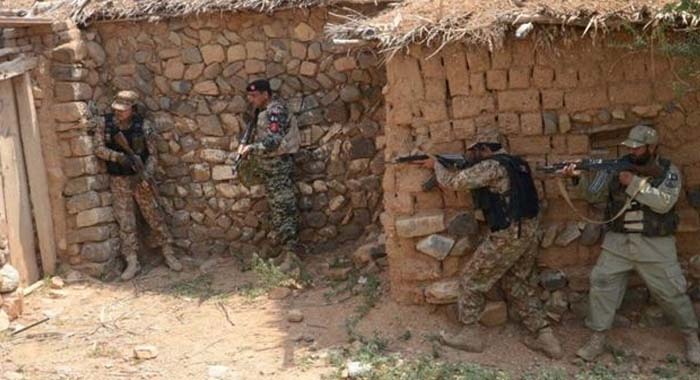
Pakistan’s security forces have carried out a series of coordinated, intelligence-driven operations across multiple districts of Balochistan, delivering a major blow to the banned Balochistan Liberation Army (BLA) and significantly disrupting its operational network.
According to security sources, simultaneous operations were conducted in Panjgur, Kharan, Kalat, Mastung, Turbat, and Quetta, targeting entrenched BLA infrastructure and safe havens. The scale and synchronization of these actions underline a high level of intelligence penetration and operational preparedness.
The operations resulted in substantial losses for the BLA. A total of 32 terrorists were eliminated, 17 injured, and 11 apprehended alive. Officials described the outcome as a decisive step toward dismantling the group’s command, control, and logistics structure.
A key breakthrough was achieved in Panjgur, where BLA commander Nazir alias Chakar was neutralized along with seven of his associates. Security officials termed this strike a major tactical success, noting that the commander played a central role in orchestrating attacks and coordinating militant activities in the region.
In Kharan, a precision drone strike targeted a BLA vehicle, killing four terrorists on the spot. The use of drone-based targeting reflects an increasing reliance on real-time intelligence and technological capabilities to neutralize threats with accuracy while minimizing collateral damage.
Interrogation of captured terrorists has revealed critical intelligence, including the use of cross-border infiltration routes through Kunar and Kandahar. These findings point to external facilitation and highlight the transnational dimension of the threat posed by the BLA.
Further concerns have emerged from the recovery of advanced, American-origin weapons in areas such as Washuk and Kalat. Security analysts believe this indicates the presence of organized supply chains supporting terrorist operations, raising questions about the sources and routes of these weapons.
The Security Impact
Officials state that these operations have not only degraded the BLA’s operational capability but also disrupted its logistical backbone and communication networks. The coordinated strikes have reinforced the state’s writ in key areas, limiting the group’s ability to regroup or launch large-scale attacks.
Security forces remain engaged in clearance and follow-up operations to eliminate any remaining terrorist presence. Analysts emphasize that sustained intelligence-based operations, combined with border control and counter-financing measures, will be critical to ensuring long-term stability in the region.



