
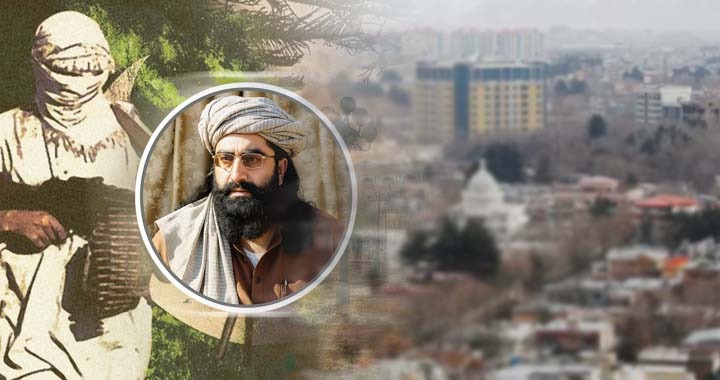
Noor Wali Mehsud, the head of the banned Tehreek-e-Taliban Pakistan (TTP) which has been officially declared as Fitna al-Khwarij, is reportedly being sheltered in a highly secured part of Kabul under the protection of the Afghan Taliban, according to credible security sources.
Officials familiar with the development claim that Mehsud is residing in a multi-story compound located within Kabul’s tightly guarded Green Zone, commonly referred to as the Diplomatic Enclave. The area houses key government offices, foreign missions, and international organizations, and is regarded as one of the most fortified locations in the Afghan capital.
Security sources further allege that the building where Mehsud is staying is occupied by multiple individuals, a situation believed to be deliberately maintained to complicate any potential targeting efforts. The presence of civilians or non-combatants in the vicinity is seen as a calculated deterrent against precision operations, effectively creating a protective buffer around the TTP leader.
Officials describe the reported arrangement as a serious escalation in concerns over militant sanctuaries across the border. They argue that the use of such a sensitive and high-security zone for harboring a designated militant leader reflects not only operational confidence but also raises questions about the extent of facilitation available to proscribed groups.
The development comes amid continued tensions between Pakistan and Afghanistan over cross-border militancy. Pakistani authorities have repeatedly maintained that TTP elements operate from Afghan soil, carrying out attacks inside Pakistan. Islamabad has called for verifiable action against these networks, emphasizing that safe havens remain a central obstacle to regional stability.
Analysts warn that if such reports are substantiated, they could further strain already fragile bilateral relations and complicate ongoing diplomatic and security engagements. The alleged presence of a high-profile militant figure in Kabul’s most secure district underscores the evolving nature of the threat landscape and the challenges facing counterterrorism efforts in the region.



