
Hassam Uddin
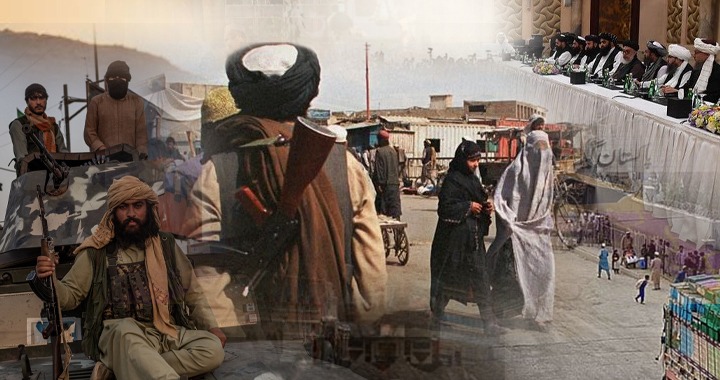
The growing ideological rigidity within Afghanistan’s governance framework is emerging as a critical driver of extremism, with direct consequences for Pakistan’s internal security environment.
Experts argue that exclusionary policies and resistance to political inclusivity have reinforced hardline narratives, limiting the scope for moderation and reform. This ideological consolidation has created fertile ground for extremist groups, which exploit these conditions to recruit, radicalize, and expand their influence.
The impact of such rigidity is not confined within Afghanistan’s borders. Pakistan, sharing a long and porous frontier, is particularly vulnerable to the spillover of extremist ideologies. Security agencies have reported an uptick in radicalization patterns linked to cross-border influences, with militant propaganda increasingly targeting vulnerable populations.
The marginalization of women and restrictions on education further exacerbate the situation by weakening social resilience. Analysts note that the erosion of human capital contributes to long-term instability, creating conditions where extremist narratives can thrive unchecked.
Extremism in Afghanistan is no longer just a byproduct of instability; it is becoming an embedded feature of the system.
This shift presents a complex challenge for Pakistan, which must address both immediate security threats and the broader ideological currents fueling them. Counter-radicalization efforts, intelligence coordination, and regional engagement are essential components of an effective response.
Without meaningful changes in Afghanistan’s governance approach, the persistence of ideological rigidity is likely to sustain and amplify extremist threats, deepening insecurity across the region.



