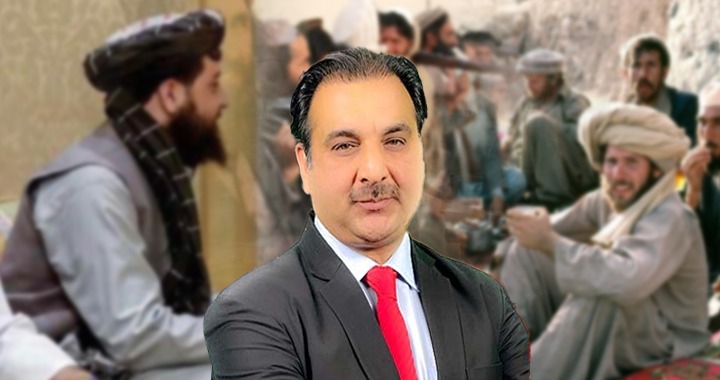
The statement attributed to Afghanistan’s acting defence minister that if Kabul is targeted, Islamabad would also not remain safe has raised an important question: whether it is a policy position or a threat linked to security and political messaging. The minister also suggested that Afghanistan could sustain a war for ten years.
Afghanistan currently does not possess the conventional military capability required for large-scale warfare against Pakistan. The country lacks an operational air force and missile systems that could realistically strike major Pakistani strategic targets. This raises questions about the practical foundation of such claims and whether the statement represents official policy or strategic rhetoric.
Critics argue that the governance approach of the Afghan Taliban administration reflects its historical background as a militant movement. State administration requires diplomatic engagement, institutional communication and adherence to international norms. Threat-based language is generally considered unsuitable for interstate relations.
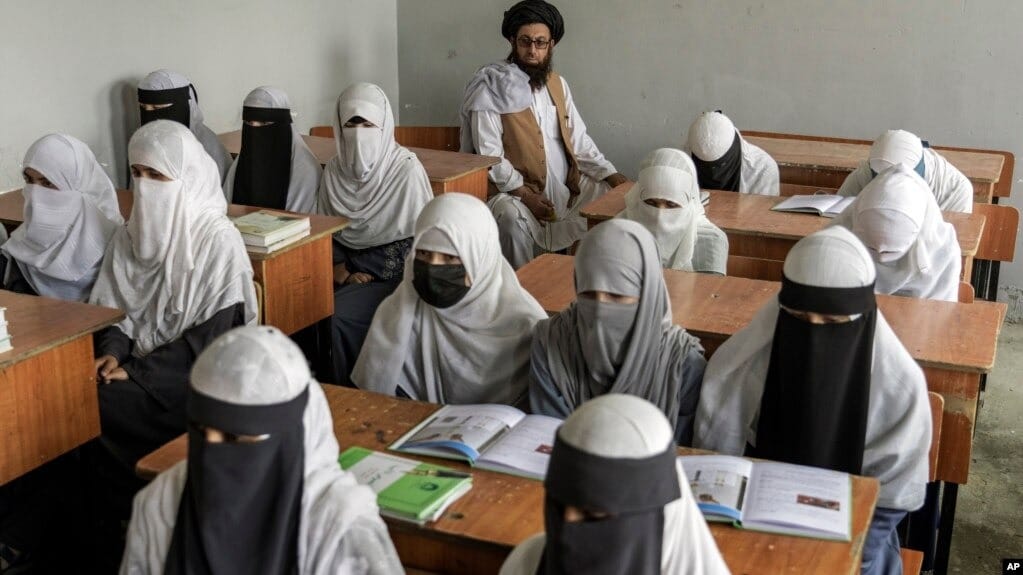
International concerns have also been raised regarding social and governance policies inside Afghanistan, including restrictions on girls’ education and the enforcement of punishments based on the Taliban’s interpretation of religious law. These policies continue to attract global criticism and complicate diplomatic recognition efforts.
Diplomatic recognition of the Afghan administration remains limited. Human rights concerns, governance transparency and the presence of militant networks operating from Afghan territory are among the primary factors affecting international engagement.
Security analysts have repeatedly pointed out that several militant organizations have historically operated or maintained logistical presence in Afghanistan. Some of these groups are designated as terrorist organizations by international bodies including the United Nations.
Pakistan has consistently expressed concern that groups such as Tehreek-e-Taliban Pakistan may exploit Afghan territory for attacks against Pakistani security forces and civilians. Afghan authorities have denied such allegations.
Islamabad’s security policy response has been clearly communicated. Pakistani officials have stated that if militant attacks are launched from Afghan territory, targeted operations may be conducted against militant infrastructure located across multiple sites inside Afghanistan. Authorities have emphasized that civilian populations will not be targeted and that strikes will be focused only on militant hideouts.
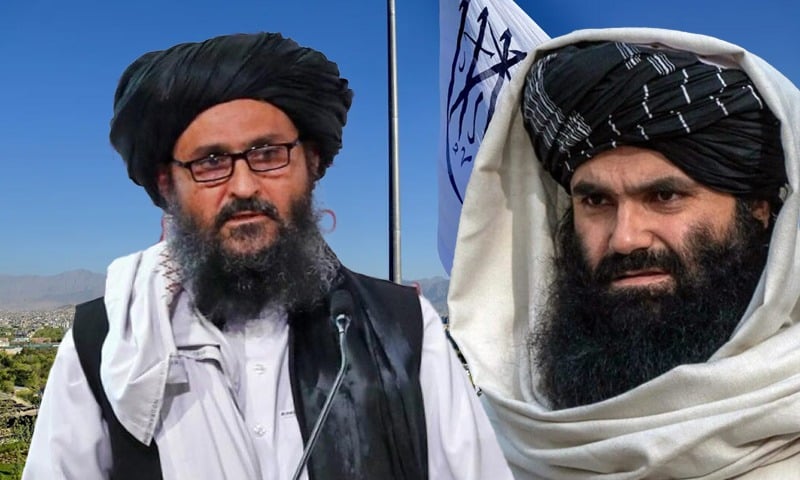
The statement by Afghan defence minister Mullah Mohammad Yaqoob, who is the son of former Taliban leader Mullah Omar, has therefore drawn considerable attention.
Born in 1990, Yaqoob rose to prominence within Taliban leadership structures after being formally included in the command framework around 2016. Historical accounts indicate that many Taliban members spent time in Pakistan during earlier regional instability periods, where they received education or temporary residence.
Some analysts believe the statement may also reflect internal political dynamics within the Afghan Taliban movement. Like many transitional political organizations, the Taliban leadership structure contains multiple factions and ideological currents. Public statements by senior figures can sometimes serve internal political objectives, including strengthening influence within the movement.
Observers suggest that adopting a strong posture toward Pakistan may help certain leaders consolidate support among hardline constituencies. Leadership competition within the Taliban hierarchy, including relations with Hibatullah Akhundzada, is sometimes cited as a possible factor shaping public messaging.
At the strategic level, Afghanistan’s military limitations remain a central analytical point. Without advanced air power, missile technology or sophisticated command systems, sustained conventional warfare would be difficult. Historically, Afghan security formations and allied militant groups have relied more on asymmetric tactics than conventional battlefield deployment.
Another major concern is the financial sustainability of militant networks. Afghanistan’s economy faces structural challenges, including limited industrial development, high unemployment and restricted integration with global financial systems. Questions continue to arise regarding the funding mechanisms supporting militant operations, including procurement of weapons and maintenance of training facilities.
Some reports suggest that financing may flow through informal economic channels, cross-border trade networks or external sources, although such claims are difficult to verify conclusively.
Regional diplomacy efforts have also been discussed as a possible mechanism to prevent escalation. Countries including Qatar, Saudi Arabia, Turkey, China, and Russia have at various times been mentioned in regional mediation discussions.
Ultimately, Pakistan’s position remains that Afghan authorities must take decisive action against militant groups operating from Afghan territory. Islamabad maintains that either militant networks are dismantled or security tensions will continue.
Internally, the Afghan Taliban leadership faces challenges of ideological balancing, factional politics and economic pressure. Externally, it must navigate diplomatic isolation while managing regional security expectations.
Public opinion inside Afghanistan is reported to be complex, with demonstrations and expressions of dissent occurring but sometimes limited by social and security pressures.
Many observers argue that modern political messaging has shifted toward digital influence operations, where narratives are often shaped through social media platforms.
The central unresolved question remains whether the defence minister’s statement represents strategic state policy or political messaging shaped by internal and regional pressures.