(Shamim Shahid)
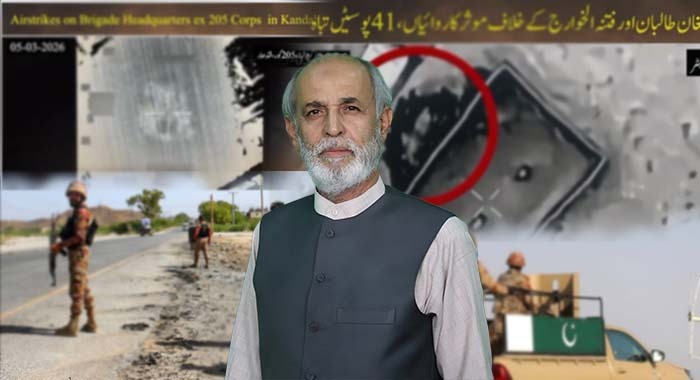
The launch of Operation Ghazab Lil Haq by Pakistan has marked a significant moment in the ongoing struggle against terrorism along the Pakistan–Afghanistan border. This operation, carried out in early March 2026, was a calculated and decisive measure aimed at ending cross-border terrorism, particularly targeting the safe havens of the Afghan Taliban and associated extremist groups. While the operation demonstrates Pakistan’s commitment to safeguarding its borders and maintaining internal security, it also exposes the intricate web of political, social, and regional challenges that define Pakistan-Afghanistan relations today.
One of the most notable developments in Afghanistan is the growing dissent against the Taliban, particularly in areas such as Panjshir. Historically, Panjshir has been a stronghold of resistance. Its population, predominantly Tajik and loyal to the legacy of leaders like Professor Rahmani and Ahmad Shah Masood, has a tradition of opposing imposed regimes. When the Taliban initially entered Panjshir, they faced minimal direct resistance, but the sentiment of the people remained oppositional.
Recent reports indicate that local residents have begun expressing their dissent publicly, raising slogans against the Taliban and marking walls with anti-Taliban messages. This is symbolic: while the Taliban maintain a strict grip over the region, these acts of resistance demonstrate that their control is far from universally accepted. Importantly, this unrest is not confined to Panjshir alone. Other regions of Afghanistan also exhibit latent opposition, reflecting the fact that the Taliban assumed power through force rather than democratic processes. The Doha Agreement facilitated their rise to power, but the Taliban have no political legitimacy in the eyes of a large section of the Afghan population.
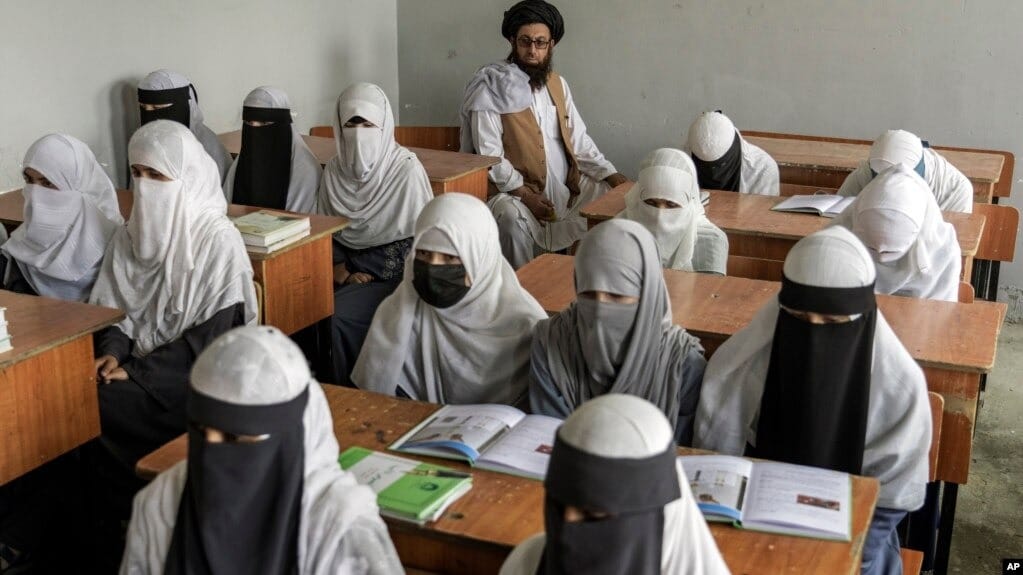
The internal policies of the Taliban, particularly their restrictions on female education and the systematic suppression of media freedoms, have further alienated the population. Afghan citizens, deprived of opportunities and freedoms, are increasingly resentful of Taliban rule, yet the absence of a unified leadership or external support means that their dissent remains largely fragmented. This disconnect between the government and the governed is a critical factor shaping the regional security dynamics that Pakistan faces today.
The security challenges for Pakistan are multi-layered. The activities of the Tehrik-i-Taliban Pakistan, often operating from Afghan soil, have necessitated repeated cross-border operations since October 2025. While Pakistan has demonstrated its capacity to strike at terrorist infrastructure effectively, the broader political objectives ensuring that these groups are permanently dismantled remain unresolved. Airstrikes and ground operations have weakened the Taliban’s operational capacity, yet Pakistan’s demands, particularly related to ensuring that Afghan territory is not used as a base for anti-Pakistan activities, have not been fully met.
Intelligence indicates that while some Afghan factions are sympathetic to Pakistan’s security concerns, the Taliban’s decentralized structure and ideological alignment with extremist groups like the TTP complicate any straightforward resolution. Pakistan must therefore rely not only on military measures but also on diplomatic and strategic channels to ensure long-term stability.
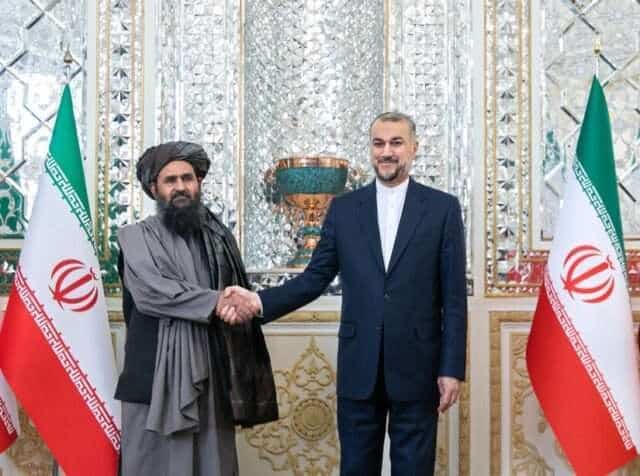
The Afghanistan-Pakistan dynamic cannot be understood in isolation; regional and global powers play a crucial role in shaping outcomes. Countries traditionally involved in peace-building efforts such as Saudi Arabia, Iran, Qatar, the UAE, and Turkey—have attempted to mediate between conflicting parties. However, external influences from the United States and Israel, particularly in relation to Iran and regional security calculations, have further complicated the situation.
The Middle East and the broader Islamic world are intricately linked to the outcomes of these conflicts. For Pakistan, ensuring that its operations and diplomatic efforts do not escalate into a broader regional confrontation is vital. As regional tensions intensify, Pakistan must navigate a complex geopolitical landscape where the interests of multiple stakeholders intersect, often in unpredictable ways.
While military and strategic calculations dominate discourse, the humanitarian impact of ongoing conflict in Afghanistan cannot be ignored. Recent clashes in areas such as Qorum and Panjshir have resulted in civilian casualties, including tribal leaders and security personnel. These incidents underscore the tragic reality that ordinary citizens bear the brunt of warfare. The combination of military operations, Taliban suppression, and internal unrest has created a volatile environment where civilians are caught between armed groups.
Despite these challenges, there are glimpses of resilience among the Afghan population. Local communities continue to express dissent against extremism, and while they lack formal leadership or external support, their resistance is symbolic of the broader struggle for rights, governance, and justice in Afghanistan. Pakistan’s operations, therefore, must be carefully calibrated to target extremist elements without exacerbating civilian suffering, as strategic and moral legitimacy are closely intertwined in the current environment.
A recurring theme in understanding the Pakistan-Afghanistan dynamic is the lack of mutual trust. From historical grievances to current border tensions, trust has remained elusive. Afghan citizens often distrust their own government, while Pakistan remains wary of Afghan territory being used for anti-Pakistan activities. This trust deficit complicates not only security operations but also diplomatic initiatives.
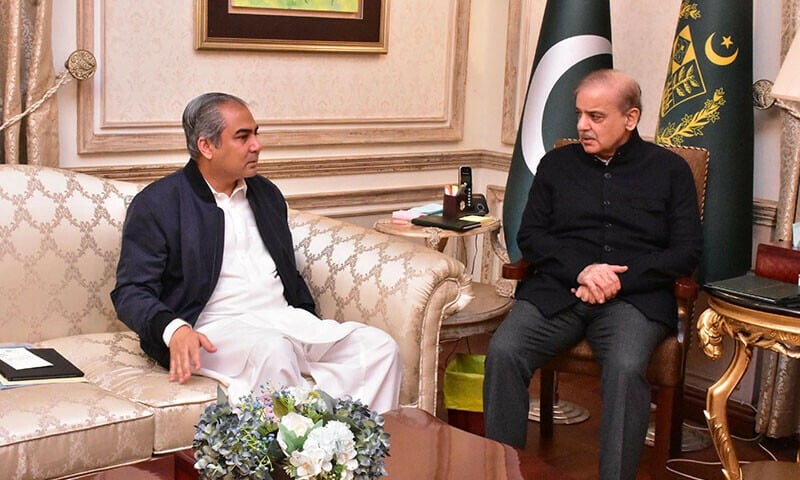
Efforts to bridge this gap require a combination of political dialogue, intelligence cooperation, and regional diplomacy. Engagements at the national and local levels, including contacts between Pakistani officials and Afghan authorities, indicate optimism. However, lasting solutions depend on institutionalized trust-building measures and acknowledgment of shared security interests.
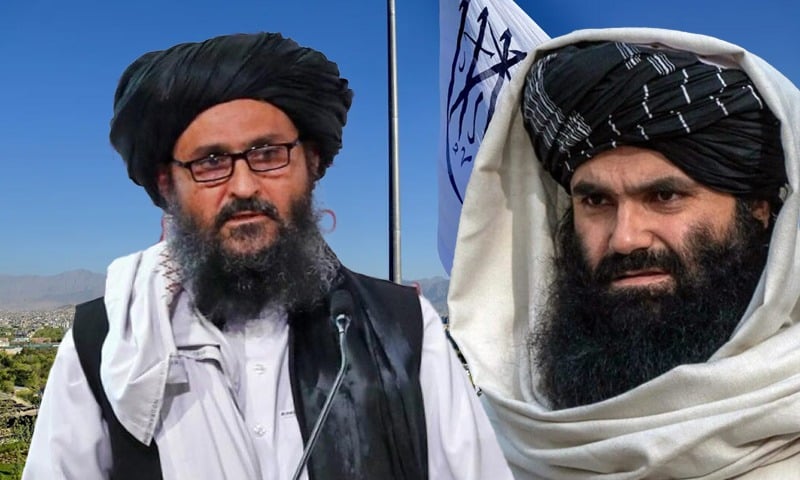
A critical factor in the ongoing conflict is the relationship between the Afghan Taliban and the TTP. While they are distinct entities, ideological alignment and strategic collaboration have complicated Pakistan’s counter-terrorism operations. The TTP relies on Afghan territory for safe havens, and the Taliban have, at times, provided tacit support or failed to act decisively against them. This nexus underscores the limitations of military action alone. Without diplomatic pressure and political engagement, these groups can regenerate and pose renewed threats.
Pakistan has repeatedly emphasized that its objection is primarily with the TTP and cross-border terrorism, not with the Afghan populace. This distinction is crucial for maintaining legitimacy in the eyes of both domestic and international audiences. The challenge lies in ensuring that Pakistan’s defensive operations are understood as targeted measures against extremist groups rather than broad hostility toward Afghanistan.
The conflict carries profound economic and strategic implications for Pakistan. Prolonged tension along the border threatens trade, disrupts supply chains, and affects critical resources such as gas, LPG, and oil. The instability in Afghanistan, combined with global energy dynamics, has a direct impact on Pakistan’s economy. Ensuring border security, therefore, is not only a military necessity but also an economic imperative.
Moreover, the protraction of conflict risks regional destabilization, which could draw in additional powers and further complicate Pakistan’s strategic calculus. Therefore, while Operation Ghazab Lil Haq demonstrates Pakistan’s operational capabilities, long-term stability requires a multi-dimensional strategy that combines military, diplomatic, and socio-economic approaches.
Despite the challenges, there are reasons for cautious optimism. The Afghan people, particularly in historically resistant regions, have demonstrated resilience and agency. While they currently lack a unifying leader, they possess the capacity to organize, resist, and demand accountability from the Taliban. International support, if effectively coordinated, can amplify these efforts.
From Pakistan’s perspective, leveraging diplomatic channels, regional partnerships, and intelligence operations can create conditions conducive to lasting peace. The lessons of history are clear: unilateral action may yield temporary tactical gains, but sustainable security requires political solutions, trust-building, and targeted engagement with communities.
Operation Ghazab Lil Haq represents a decisive military response to cross-border terrorism, but it is only one component of a broader security and political challenge. The Taliban’s lack of legitimacy, growing Afghan dissent, and the TTP’s continued presence underscore the complexity of the situation.
For Pakistan, the path forward involves a delicate balance between military action and diplomatic engagement, guided by intelligence and regional strategy. Ensuring the protection of Pakistani citizens while supporting stability in Afghanistan requires not only operational excellence but also political foresight, international cooperation, and a nuanced understanding of Afghan society.
The Afghan people’s opposition to the Taliban, their resilience, and the latent potential for organized resistance present both a challenge and an opportunity. If Pakistan and its regional partners can align their efforts, there is a path toward reducing extremist influence, fostering trust, and achieving long-term stability in one of the most strategically critical regions of South Asia.
In the final analysis, the future of Afghanistan-Pakistan relations hinges not merely on military might, but on strategic diplomacy, political inclusivity, and sustained engagement with both local communities and international stakeholders. Only through such a comprehensive approach can the cycle of violence be broken, and a sustainable peace achieved.