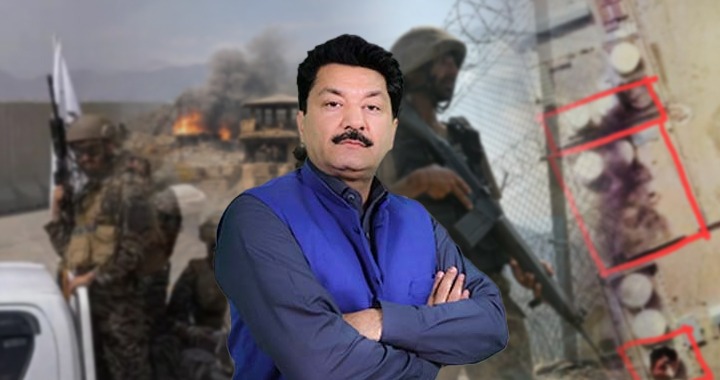
The situation in the region has entered a highly sensitive and complex phase following recent developments around Afghanistan. Over the past few days, air operations have reportedly targeted strategic military infrastructure, including Bagram Air Base, which is considered one of the largest military installations in Afghanistan.
The base is significant not only because of its size but also due to its strategic military storage facilities and operational history. Reports suggest that Pakistani airstrikes have caused substantial damage to military assets including helicopters, transport aircraft and armored vehicles stationed in the area. Although rumors circulated about runway destruction rendering the base unusable for air operations, such claims have not been independently verified. Afghan Taliban defence officials have confirmed that airstrikes were conducted, while the ground reality of infrastructure damage remains subject to further assessment.
At the diplomatic level, the reaction from the Afghan side has been mixed. Statements have been issued suggesting possible suspension of diplomatic relations or closure of embassies, but such rhetoric appears more symbolic than practical. Historical patterns show that border disputes and security tensions rarely benefit from isolationist posturing. Afghanistan’s economy and public welfare remain closely linked to regional trade and cooperation.
Regional diplomacy is also unfolding quietly. Multiple countries, including Qatar, Turkey, and some Gulf partners, have attempted mediation efforts to reduce escalation risks. Iran, Russia, and China have also been closely monitoring the situation, reflecting the broader strategic importance of stability in the region. Conflict in this theatre rarely remains localized; it tends to generate ripple effects across neighboring security, economic and political systems.
The core issue, however, revolves around cross-border militancy. Pakistan’s position consistently emphasizes that its security concerns are linked to the presence of militant networks operating from Afghan territory. Intelligence-based operations have been justified by Islamabad as necessary measures to neutralize facilitators, weapon depots and command nodes allegedly associated with groups involved in attacks inside Pakistan.
At the same time, information warfare has complicated the perception environment. The circulation of AI-generated or recycled battlefield videos on social media has contributed to confusion among civilian populations. In modern hybrid conflicts, psychological messaging often travels faster than verified facts, creating an additional layer of strategic uncertainty.
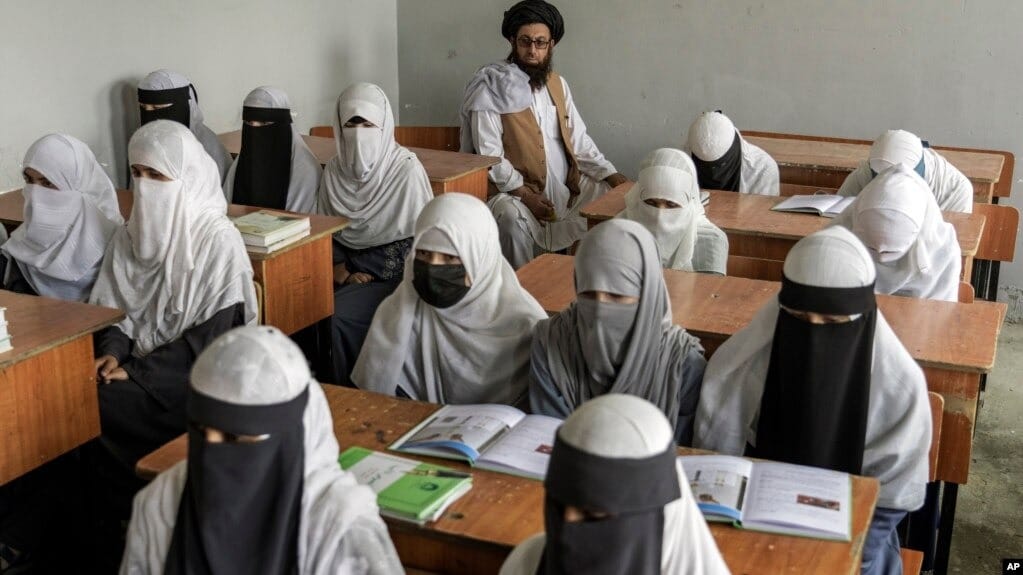
Human security is another critical dimension. Rising violence risks affecting border communities, educational institutions, and local civilian infrastructure. Reports of drone fragments or aerial debris falling in populated areas have increased anxiety in parts of Khyber Pakhtunkhwa border districts, prompting temporary closure of some educational facilities.
From a strategic perspective, both sides face long-term costs if escalation continues. Pakistan maintains that its operations are not directed against the Afghan people but against militant organizations operating across the frontier. The emphasis, according to security officials, remains on dismantling support chains rather than pursuing leadership decapitation strikes that could destabilize regional governance structures.
Negotiation remains the preferred pathway for sustainable stability. Historical examples demonstrate that sustained pressure sometimes pushes adversarial actors toward diplomatic engagement. Whether similar conditions will emerge in the current environment depends on political will, regional mediation and the willingness of security stakeholders to move beyond confrontation.
The humanitarian dimension should not be ignored. Millions of Afghan refugees have lived in neighboring territories for decades, reflecting deep social and historical linkages between the populations. Peace in Afghanistan would not only benefit regional security but also open pathways for trade, mobility and economic reconstruction.
Ultimately, the region stands at a crossroads between strategic confrontation and diplomatic accommodation. The future trajectory will depend on whether security concerns can be translated into structured negotiations rather than prolonged battlefield signaling. Stability in Afghanistan, and by extension the wider region, will require recognition that security cannot be achieved through isolation alone. Dialogue, verification mechanisms and mutual risk reduction may offer a more sustainable path forward.
As the guest concluded, the central message remains clear: the chain of violence must be broken, cross-border militant networks must be dismantled, and communication channels must remain open. Only then can borders reopen, trade resume, and relations between Pakistan and Afghanistan gradually return to normalcy. Peace, though difficult, remains the only durable victory.