
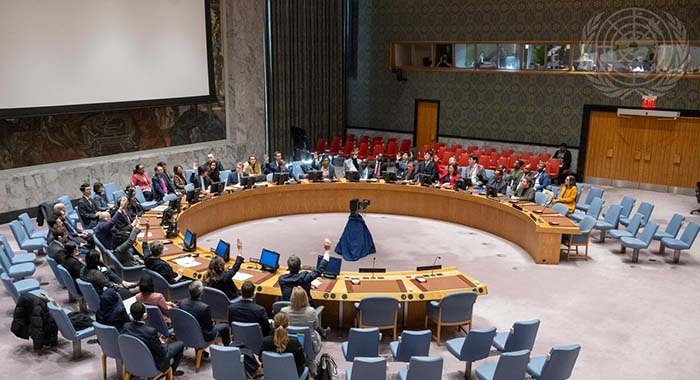
The United Nations Security Council has unanimously voted to extend the mandate of its sanctions monitoring team overseeing measures against the Taliban and affiliated entities threatening Afghanistan’s peace and security for another year, reaffirming the international community’s deep concerns over the country’s deteriorating security and human rights situation.
All 15 members of the Security Council adopted the resolution under the 1988 sanctions regime, maintaining targeted measures that include asset freezes, travel bans, and arms embargo provisions against Taliban leaders and associated individuals. Notably, travel-ban exemptions previously granted to several Taliban officials were not renewed, reflecting growing frustration within the international community over the group’s failure to meet its commitments.
The resolution, drafted by the United States, underscores persistent global apprehension regarding the continued presence and operational freedom of militant and extremist groups within Afghanistan. Security Council members expressed alarm over credible reports indicating that Afghanistan remains a permissive environment for terrorist networks, posing risks not only to regional stability but also to international security.
In addition to security concerns, the Council highlighted the Taliban’s ongoing restrictions on women’s rights, limitations on girls’ education, and the systematic exclusion of women from public life. These measures have drawn widespread condemnation and have significantly isolated Afghanistan on the global stage.
The absence of an inclusive political framework and the failure to establish a representative government remain central obstacles to international recognition and economic normalization. Despite repeated calls from the Taliban for the lifting of sanctions, the Security Council determined that prevailing conditions marked by governance deficiencies, human rights violations, and the presence of armed extremist groups—do not warrant any relaxation of international pressure.
Diplomatic sources noted that the extension of sanctions reflects a clear and unified message: meaningful engagement with Afghanistan’s de facto authorities requires tangible improvements in counterterrorism cooperation, governance reform, and the protection of fundamental rights.
The continued sanctions regime serves as both a safeguard against the resurgence of transnational terrorism and a mechanism to hold Afghanistan’s current authorities accountable to international norms and obligations.



