
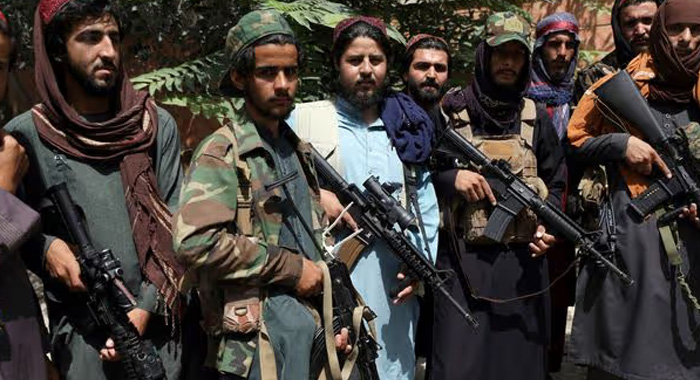
A newly issued six-month report by the United Nations Analytical Support and Sanctions Monitoring Team to the UN Security Council has raised serious concerns about the presence, expansion, and operational freedom of multiple militant organizations inside Afghanistan, alleging continued support and facilitation by the Taliban authorities.
According to the report, the Taliban are backing several extremist groups, including al-Qaida, Tehreek-e-Taliban Pakistan (TTP), and the East Turkestan Islamic Movement (ETIM). The findings indicate that these organizations have strengthened their networks, broadened their operational capabilities, and deepened their regional connections during the reporting period.
The Monitoring Team states that al-Qaida continues to benefit from Taliban support and functions as a provider of training and advisory services within Afghanistan, particularly for TTP. Al-Qaida in the Indian Subcontinent (AQIS) is reported to remain active in south-eastern Afghanistan. The group’s leader, Osama Mehmood, and his deputy, Atif Yahya Ghouri, are said to be present in Kabul, while its media operations reportedly function from Herat.
The United States has announced a reward of up to $10 million for information regarding Osama Mehmood and up to $5 million for information concerning Atif Yahya Ghouri.
The report further states that TTP has enjoyed increased freedom of movement and operational latitude within Afghanistan, contributing to a surge in attacks against Pakistan. Described as one of the largest militant organizations operating in Afghanistan, TTP’s assaults on Pakistani security forces and state institutions are characterized as amounting to a sustained military confrontation.
Significant attention is also given to the activities of the East Turkestan Islamic Movement. According to the Monitoring Team, ETIM members have received identity documentation from the Taliban, granting them freedom of movement inside Afghanistan. The group is reportedly financed through poppy cultivation and mining activities in Badakhshan province. The United Nations notes that approximately 250 ETIM members joined Taliban police units in 2025.
Citing information from a UN Member State, the report further indicates that ETIM has called on fighters based in Syria and neighboring countries to relocate to Afghanistan in preparation for what it described as a return to Xinjiang for jihad.
In addition, Islamic State Khorasan (IS-K) is reported to remain active, primarily in northern Afghanistan, particularly Badakhshan and areas near the Pakistani border. The group is also said to be pursuing alliances with other armed factions beyond the region, signaling efforts to expand its operational reach.
The report emphasizes that regional states continue to express deep concern over the concentration of militant groups in Afghanistan and the broader implications for regional and international security. The findings are expected to inform deliberations within the UN Security Council regarding sanctions enforcement, counterterrorism coordination, and the broader international approach to engagement with Afghanistan.
Further discussions among Member States are anticipated as policymakers assess the security landscape outlined in the report and consider appropriate diplomatic and strategic responses.



