
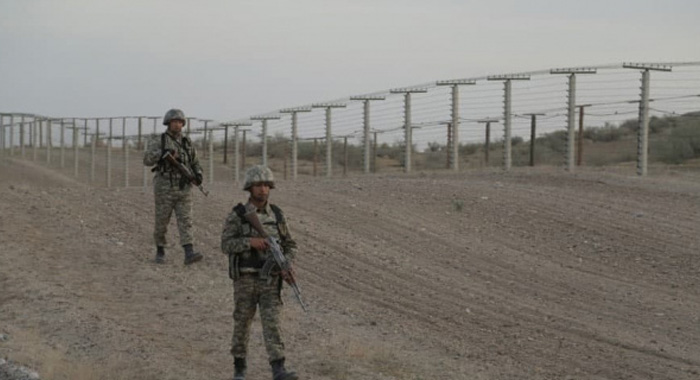
Uzbekistan has officially joined the U.S.-led Board of Peace, marking a significant step in its efforts to confront violent extremism and reinforce international cooperation aimed at safeguarding national, regional, and global security. The decision reflects growing concerns over the transnational nature of extremist threats and the direct impact of instability in Afghanistan and the Middle East on Central Asia.
Uzbekistan’s Presidential Adviser on Foreign Policy, Abdulaziz Kamilov, announced that the country’s participation in the Board of Peace was motivated by pressing security considerations, particularly the spread of extremist ideologies and militant networks in neighboring Afghanistan. Speaking on Friday, January 23, Kamilov emphasized that developments in regional conflict zones have not remained confined within their borders, but have produced far-reaching consequences for surrounding regions, including Central Asia.
According to Kamilov, extremist movements emerging from prolonged conflicts in the Middle East and Afghanistan have directly affected regional stability, posing challenges that no single state can effectively address alone. He stressed that terrorism is inherently transnational in nature, exploiting porous borders, political vacuums, and social grievances to expand its influence and undermine state authority.
Kamilov stated that the mission and objectives of the Board of Peace are fully aligned with Uzbekistan’s national interests and its foreign policy principles, which prioritize peace, sovereignty, and collective security. He underscored that coordinated international action is essential to counter extremist threats, dismantle terrorist networks, and prevent the spread of radical ideologies that fuel violence and insecurity.
Highlighting the domestic implications of global extremism, Kamilov acknowledged that a number of Uzbek citizens were previously recruited by terrorist organizations abroad. Upon their return, these individuals presented complex social and security challenges. In response, Uzbekistan adopted a policy focused on reintegration, rehabilitation, and social inclusion, rather than indiscriminate punishment. This approach has been recognized and praised by the United Nations as a constructive model for addressing radicalization while preserving social stability and human dignity.
The Board of Peace was established by U.S. President Donald Trump as an international platform aimed initially at ending the conflict in Gaza. Its mandate was later expanded to address broader regional and global security challenges, including violent extremism. While some international actors have criticized the initiative for operating outside traditional United Nations frameworks, Uzbekistan views the Board as a complementary mechanism that enhances dialogue and practical cooperation at a time of heightened global fragmentation.
Kamilov reiterated that Uzbekistan’s participation in the Board of Peace reflects its vital interest in ensuring security at all levels national, regional, and global. He noted that extremist and terrorist organizations represent a shared threat to all nations, as they thrive on instability, spread hatred, and leave devastation in their wake. Such groups offer no vision for peace or development, and their actions consistently result in the destruction of communities, erosion of trust, and loss of innocent life.
Uzbekistan’s commitment to the initiative was formally confirmed when President Shavkat Mirziyoyev signed the agreement with President Donald Trump during the World Economic Forum in Davos. The signing ceremony included representatives from countries across the Middle East, Europe, South America, and the Caucasus, underscoring the broad international support for collaborative efforts to counter extremism and promote peace.
By joining the Board of Peace, Uzbekistan affirms its resolve to stand with the international community against terrorism and violent extremism in all their forms. The move sends a clear message that sustainable security can only be achieved through cooperation, responsible governance, and a unified response to threats that endanger peace, stability, and human life worldwide.



