
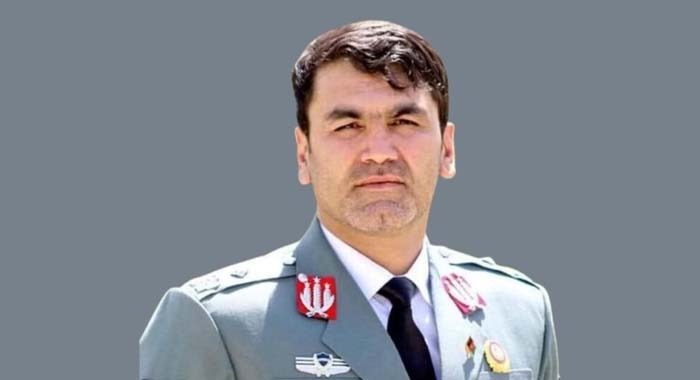
General Ikramuddin Saree, former police chief of Afghanistan’s northeastern Takhar province under the previous government, was assassinated in a targeted attack in Tehran on Wednesday, according to sources. The attack resulted in the death of one of General Saree’s companions, while another individual sustained injuries and is currently receiving medical treatment. Details surrounding the nature of the attack, including the motive and the identities of those responsible, remain unclear. Iranian authorities have not yet issued any public statement regarding the incident.
General Saree left Afghanistan following the Taliban’s return to power in August 2021 and had been residing in Iran since then. Sources revealed that he was detained and questioned by Iranian security forces in November 2024, before being released. No official explanation for his detention was made public at the time.
In the aftermath of the collapse of the former Afghan government, a significant number of former military, intelligence, and law enforcement officials fled to neighboring countries, including Iran and Pakistan, amid fears of reprisals. In recent years, some of these individuals have faced deportation due to the absence of valid residency documentation, further compounding their vulnerability.
The killing of General Saree has heightened anxiety among former Afghan political and security figures currently living in exile in Iran. Sources indicate growing concerns over personal safety, legal uncertainty, and the lack of protective mechanisms for former officials who remain at risk years after leaving Afghanistan.
This incident underscores the precarious situation faced by exiled Afghan officials and raises urgent questions about their security, the circumstances surrounding targeted attacks abroad, and the broader implications for regional stability. As investigations remain pending, the assassination has drawn renewed attention to the unresolved dangers confronting those associated with Afghanistan’s former state institutions.



