
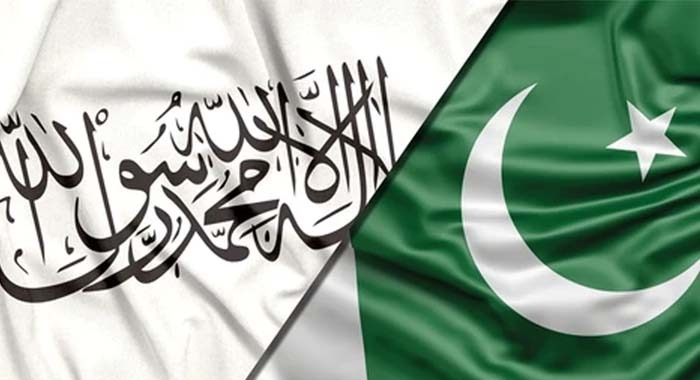
Pakistan is frequently criticized for its engagement with the Taliban, accused of opportunism or moral compromise. Such criticisms, however, overlook a far deeper and historically rooted reality: Islamabad’s actions are not a matter of ideology they are a matter of survival. For decades, Afghanistan’s policies have repeatedly threatened Pakistan’s security and sovereignty, leaving Islamabad with no option but to respond strategically, including through measured engagement with the Taliban.
Since 1947, Afghanistan has consistently refused to recognize Pakistan’s western border, the Durand Line, treating it instead as a temporary or illegitimate division of a supposed “Greater Afghanistan.” This refusal was not merely symbolic; it translated into real-world policies that destabilized Pakistan. Cross-border insurgencies, support for anti-Pakistan militant groups, and tacit backing of separatist movements within Pakistan have been persistent features of Afghan strategy. By contrast, Pakistan’s responses have been defensive, measured, and rooted in the imperative to protect its citizens and territory.
The Taliban emerged as a stabilizing force in Afghanistan at a time when Kabul was in disarray, and Islamabad’s engagement with them should be understood in that context. Pakistan did not embrace the Taliban because of shared beliefs; it engaged with them to ensure that Afghanistan would not become a base for armed groups targeting Pakistan. This pragmatic approach allowed Islamabad to buffer its western border against constant threats, countering decades of Afghan revisionism.
Historical evidence underscores Pakistan’s defensive posture. During the Karzai era, Afghan intelligence agencies tolerated and even collaborated with groups such as Baloch separatists, who carried out attacks inside Pakistan. Camps for Pakistani militants were tolerated in parts of Afghanistan, creating persistent security challenges for Islamabad. Rather than responding aggressively, Pakistan pursued strategic engagement with groups that could prevent these incursions, minimizing civilian casualties and regional instability wherever possible.
Critics often depict Pakistan as the sole instigator of conflict, but the record tells a different story. Afghan governments whether during the communist period, the post-Soviet era, or the republic era—frequently pursued policies hostile to Pakistan. From harboring militant proxies to opposing border demarcation, Afghanistan’s actions have repeatedly forced Islamabad to defend itself. Pakistan’s engagement with the Taliban is a rational and defensive measure in response to a history of Afghan aggression and neglect of bilateral security obligations.
The Taliban’s return to power in 2021 reaffirmed this historical pattern. Afghanistan today continues to host groups such as the Tehrik-i-Taliban Pakistan (TTP) and rejects formal recognition of the Durand Line. Islamabad’s continued strategic dialogue with the Taliban is designed to mitigate these threats, protect Pakistani citizens, and ensure that Afghan territory is not used to destabilize Pakistan. Far from a moral or ideological alignment, Pakistan’s actions are dictated by necessity and an enduring responsibility to safeguard national security.
The lessons for the international community are clear: Pakistan is not acting out of ambition or ideology; it is responding to decades of Afghan policies that have threatened its sovereignty. Engagement with the Taliban is a defensive strategy, intended to prevent further cross-border attacks and ensure regional stability. Criticizing Pakistan without acknowledging this historical context misrepresents the situation and unfairly assigns blame to the party acting to protect itself.
For true regional stability, Afghanistan must take responsibility for its actions: recognize the Durand Line, cease support for anti-Pakistan militancy, and prevent its territory from becoming a launchpad for attacks. Until these steps are taken, Pakistan will continue to defend its borders and its citizens using all available strategic tools.
Ultimately, Pakistan’s goal is not confrontation but peace built on mutual respect and recognition. It seeks a stable Afghanistan that honors international norms, avoids proxy conflicts, and engages constructively with its neighbor. Engagement with the Taliban is one element of this strategy, a necessary measure in the face of historical Afghan hostility and ongoing security challenges.
The choice is clear: Pakistan continues to pursue defensive strategies to safeguard its sovereignty, or instability along the western border will persist, fueled by Afghan policies that have for decades undermined peace and security. Pakistan’s record shows a rational, disciplined, and defensive approach a model of statecraft in a region too often defined by chaos, aggression, and failed governance.



