
A damning United Nations report presented to the Security Council has revealed an alarming escalation in human rights violations by the Afghan Taliban between 1 August and 31 October, painting a deeply troubling picture of repression, brutality, and systemic abuse under the group’s rule.
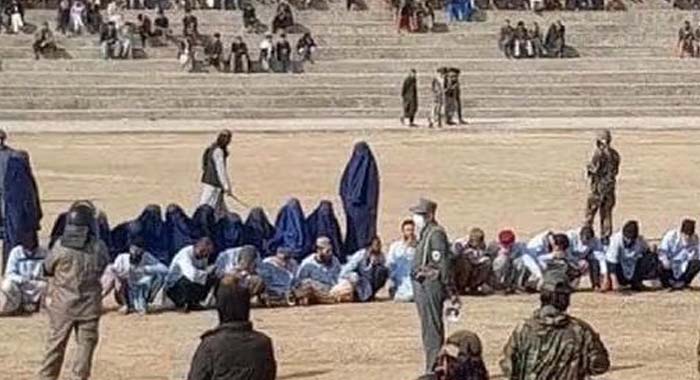
According to the report, the Taliban flogged at least 215 people during the three-month period including 44 women and 171 men in what the UN describes as deliberate acts of public humiliation and violence carried out under the guise of enforcing their interpretation of Islamic law. The report notes that the group also carried out its eleventh public execution during the same timeframe, in Badghis Province, further entrenching a climate of fear across the country.
The UN warned that civilians continue to bear the brunt of violence linked to unexploded ordnance left behind from decades of conflict. At least eight civilians six of them children were killed and 29 others injured, averaging one death or injury per day from explosive remnants of war. The situation has been worsened by a 42 per cent reduction this year in crucial activities such as mine clearance, risk-education programmes, and victim assistance due to budget constraints.
Equally disturbing are the findings related to violations of children’s rights. Between July and September, the UN documented around 160 incidents, affecting at least 90 children, including 17 girls. These violations included killing and maiming, denial of humanitarian access, and attacks on schools and medical facilities clear indicators of the deteriorating protection environment for Afghanistan’s most vulnerable.
The report highlights a sharp rise in arbitrary detentions and harsh prison sentences handed down by Taliban authorities for alleged breaches of the regime’s “propagation of virtue” directives. Scrutiny by the Ministry for the Propagation of Virtue and Prevention of Vice intensified across the education sector, where 51 subjects including civic values and human rights were removed from the national curriculum. Dozens of additional subjects have been earmarked for review in line with the Taliban’s ideological agenda, signalling a systematic attempt to erase modern and rights-based education.
In the health sector, Taliban-imposed restrictions have severely undermined women’s access to medical care. The report confirms that male dentists have been banned from treating female patients, further narrowing the already shrinking space for Afghan women to receive essential health services and professional training.
Despite the release of a limited number of detainees, the UN notes that the total number of people held in Taliban-run prisons has reached its highest level since the group seized power, now estimated at 30,000 to 32,000 inmates. Observers warn that the surge in detentions reflects the regime’s continued use of imprisonment to silence dissent and tighten its grip on Afghan society.
The UN’s findings paint a stark and deteriorating picture of life under Taliban rule, underscoring the urgent need for international attention, accountability mechanisms, and sustained humanitarian support to protect Afghan civilians from the group’s mounting abuses.



