
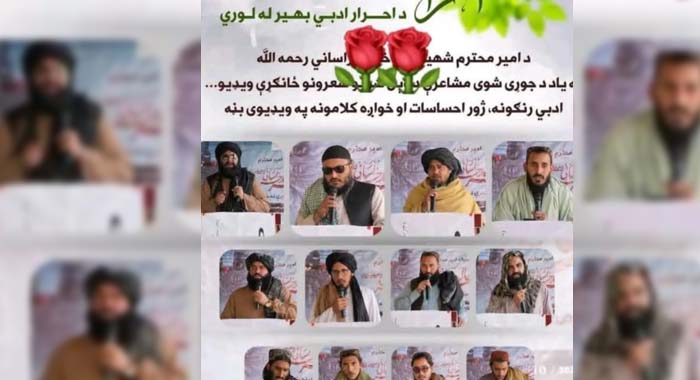
Jamaat-ul-Ahrar, the militant group responsible for recent suicide attacks in Islamabad and Peshawar, has openly organized a condolence seminar in Afghanistan to honor its slain leader, Umar Khalid Khorasani. The event reportedly included both members of Jamaat-ul-Ahrar and affiliates of the Afghan Taliban, underscoring the group’s continued operational foothold across the border.
The seminar raises serious questions about the Afghan Taliban’s capacity or willingnes to act decisively against extremist factions operating within their territory. Despite repeated claims by the Taliban that they have arrested multiple members of Jamaat-ul-Ahrar and conducted operations against the group, the organization’s ability to publicly convene in Afghanistan directly contradicts these assertions. This development exposes the gaps in Afghanistan’s security apparatus and highlights the persistent safe havens available to militant groups in the country.
Jamaat-ul-Ahrar has been linked to a series of deadly attacks within Pakistan, including the recent high-profile suicide bombings in Islamabad and Peshawar. These attacks have caused widespread loss of life and have intensified concerns over the flow of extremist ideologies, funds, and fighters across the Pakistan-Afghanistan border. Analysts note that the seminar in Afghanistan not only served as a memorial event but also provided Jamaat-ul-Ahrar with opportunities to coordinate operations, strengthen recruitment networks, and reinforce ideological narratives all under the nominal oversight of the Afghan Taliban.
Security experts warn that the Afghan Taliban’s inconsistent enforcement against extremist groups like Jamaat-ul-Ahrar has inadvertently allowed such organizations to flourish. While the Taliban publicly claim to act against militants, evidence suggests that their operations are selective, inconsistent, or symbolic at best. The persistence of events such as the Umar Khalid Khorasani seminar demonstrates that militant factions continue to operate openly, undermining regional security and contradicting Taliban assurances to neighboring countries.
The negative implications of Taliban inaction are significant. By failing to prevent Jamaat-ul-Ahrar from organizing, Afghanistan remains a permissive environment for groups that seek to destabilize Pakistan and the broader region. These gaps in enforcement provide militants with safe havens, logistical support, and ideological reinforcement, creating enduring threats that extend far beyond Afghanistan’s borders. Analysts argue that this selective approach undermines trust in the Taliban’s governance and raises concerns about their role in counterterrorism efforts.
Moreover, the Afghan Taliban’s inability to curtail Jamaat-ul-Ahrar’s activities undermines their international credibility. While the Taliban claim to maintain law and order and combat extremist factions, their failure to act effectively against groups responsible for cross-border terrorism exposes a troubling disconnect between rhetoric and action. This inconsistency not only emboldens militant organizations but also complicates regional security cooperation, as Pakistan and other neighbors must contend with the consequences of Taliban inaction.
The seminar itself had strategic significance for Jamaat-ul-Ahrar. Beyond commemorating their fallen leader, such gatherings serve as platforms for reinforcing loyalty, morale, and ideological indoctrination among members. They also allow coordination with allied groups, including Taliban sympathizers, further entrenching the organization’s networks and operational capabilities. By convening despite the Taliban’s claims of arrests and crackdowns, Jamaat-ul-Ahrar demonstrated resilience and a capacity to exploit weaknesses in Afghanistan’s security framework.
Pakistan continues to face the repercussions of these safe havens. Cross-border militancy remains a persistent threat, requiring constant vigilance and coordinated intelligence efforts. The Afghan Taliban’s selective enforcement enables groups like Jamaat-ul-Ahrar to plan attacks, recruit operatives, and propagate extremist ideology, challenging Pakistan’s efforts to maintain security in border regions. Analysts emphasize that only a decisive, consistent, and transparent approach by the Taliban toward such factions can mitigate these threats effectively.
The broader regional implications are also significant. Afghanistan’s inability or unwillingness to neutralize extremist groups jeopardizes not only Pakistan’s security but also regional stability. International observers have repeatedly highlighted the dangers posed by militant sanctuaries in Afghanistan, warning that groups like Jamaat-ul-Ahrar can exploit political ambiguity and weak enforcement to expand their reach. The seminar honoring Umar Khalid Khorasani exemplifies how extremist organizations continue to operate with relative impunity under the Afghan Taliban’s administration.
In conclusion, the public gathering of Jamaat-ul-Ahrar in Afghanistan, despite Taliban claims of arrests and crackdowns, exposes a critical security challenge. The Afghan Taliban’s failure to act decisively against this group undermines regional stability, enables continued cross-border terrorism, and raises questions about their credibility as a governing authority. Meanwhile, Pakistan remains vigilant, conducting coordinated counterterrorism operations and reinforcing security along the border to mitigate the threats posed by militant factions operating from Afghan territory.
Jamaat-ul-Ahrar’s resilience and the Taliban’s inconsistent enforcement serve as stark reminders that extremist groups continue to find safe havens, even as regional powers seek to curb their influence. Sustained intelligence cooperation, decisive military action, and consistent monitoring of extremist networks are essential to preventing such organizations from exploiting gaps in enforcement and perpetuating violence. Until the Afghan Taliban take tangible, consistent action against groups like Jamaat-ul-Ahrar, the threat to Pakistan and regional security will remain persistent and profound.



