
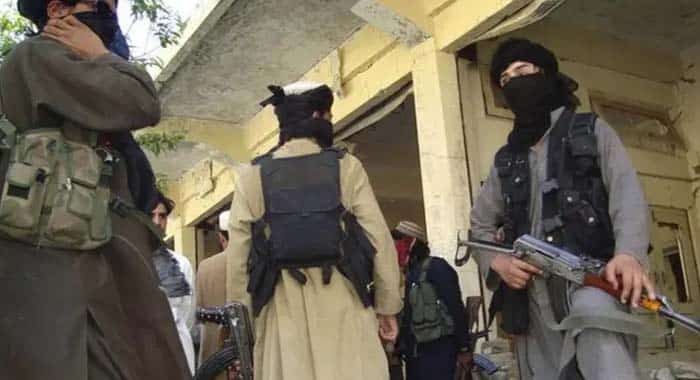
The militant, landscape in Pakistan continues to fragment as terrorist organizations wrestle with deep divisions rooted in tribal rivalries, leadership struggles, ideological disputes, and foreign interference. What began as a central leadership conflict has now trickled down to the local level, creating a patchwork of splinter groups competing for influence, resources, and recognition.
A recent example emerged in Bannu, where tensions between the Bakakhel and Janikhel factions intensified following the abduction and subsequent release of social figure Malik Bahmal. The incident sparked friction between the two tribes, exposing how personal and tribal disputes increasingly overlap with militant agendas. Similarly, reports suggest that a covert plan has been drawn up to eliminate notorious militant Qari Niaz and his close associate Wasool Ghani. Responsibility for the operation has reportedly been assigned to Safir Banochi of the Zarar group. demonstrating how violent power plays are often rewarded with integration into rival factions.
The ideological split among militant groups became more apparent when some factions declared war on Pakistan’s security forces under the guise of enforcing Sharia law, while others aligned themselves with transnational jihadist outfits and prioritized attacks on religious minorities and international targets. This divergence of goals widened the gulf among militant leaders and their loyalists.
Over the years, leadership of these groups has remained fractured across multiple tribal commanders. Figures such as Baitullah Mehsud, Hakimullah Mehsud, Hafiz Gul Bahadur, Khan Said Sajna, and Mullah Fazlullah each drew support from specific tribal lineages and foreign fighters. Uzbek and Arab militants, in particular, fueled a hardline approach, encouraging indiscriminate violence against civilians and minorities.
Under Hakimullah Mehsud’s reign, Gul Bahadur Group formally split from the TTP and formed his own group, strengthened by the participation of foreign fighters. The later merger with the foreign-dominated Jundullah group gave Gul Bahadur further prominence. His faction was implicated in major attacks, including the Peshawar church bombing and assaults on Shia religious processions. With time, divisions spread further down to local power centers, including tribal factions such as Bakakhel and Janikhel.
Pakistan’s Security Forces operations also deepened these rifts. The elimination and capture of senior commanders created a leadership vacuum that gave rise to newer splinters. Unequal distribution of resources and funding has exacerbated rivalries, while drone strikes and cross-border operations disrupted traditional chains of command, leaving smaller, less-coordinated cells to compete violently for dominance.
while fragmentation may weaken militant organizations in the short term, it also creates unpredictability. Smaller factions often resort to kidnappings, extortion, and targeted killings to assert their relevance.



