
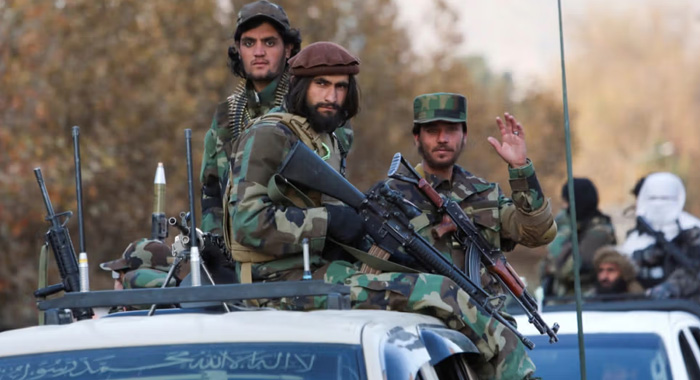
A new World Bank report has underscored mounting economic challenges in Afghanistan, revealing that the Taliban administration continues to prioritize security expenditure over development and long-term economic stability, even as poverty deepens and per capita income declines.
According to the report, the Taliban government spent approximately 96.9 billion afghanis on security during the first nine months of the 2025 fiscal year, dwarfing development spending, which totaled just 15.7 billion afghanis over the same period. While more than 106 billion afghanis were allocated to civilian sectors and public services, analysts note that such expenditures have failed to translate into sustainable economic growth or improved living standards.
The World Bank reported that Afghanistan recorded a budget deficit of around 2 billion afghanis, as total revenues of 200.9 billion afghanis fell short of total expenditures of 202.9 billion afghanis. This fiscal imbalance persists despite a relative increase in government revenues, reflecting structural weaknesses and limited economic productivity under current governance.
In its December economic update, the World Bank warned that Afghanistan remains under significant pressure from large-scale migrant returns and the continued closure of borders with Pakistan, developments that have strained domestic resources and disrupted trade flows. The report noted that weak investment, combined with policy uncertainty and international isolation, continues to undermine sustainable growth and productivity gains.
The economic outlook for ordinary Afghans remains bleak. The World Bank projects that per capita income will decline by approximately 4 percent in the 2025 fiscal year, with widespread poverty persisting across the country. While inflation has remained relatively low and the afghani strengthened in December, these developments have offered little relief to households facing declining purchasing power and limited employment opportunities.
Trade indicators further reflect Afghanistan’s growing economic fragility. The report showed that the trade deficit widened by 19 percent, driven by higher imports and rising transport costs. Exports to Pakistan continued to fall sharply, with Pakistan’s share dropping to just 2.9 percent in December, highlighting the impact of strained political and economic relations.
India emerged as Afghanistan’s largest export destination, accounting for more than 61 percent of total exports in December, while Uzbekistan’s share rose to 7.7 percent over the current fiscal year. Despite this partial reorientation of trade, the overall export base remains narrow and vulnerable to external shocks.
While the World Bank noted that the Taliban authorities have so far maintained a degree of fiscal discipline and relative stability in the foreign exchange market, the report made clear that these short-term stabilizers have not offset deeper structural problems. Persistent poverty, declining incomes, weak investment, and heavy security-focused spending continue to cast doubt on Afghanistan’s economic recovery under Taliban rule.
The findings reinforce concerns among international observers that, without meaningful reforms, broader engagement, and a shift toward inclusive economic policies, Afghanistan’s economy is likely to remain trapped in stagnation—leaving millions of Afghans exposed to ongoing hardship.



