
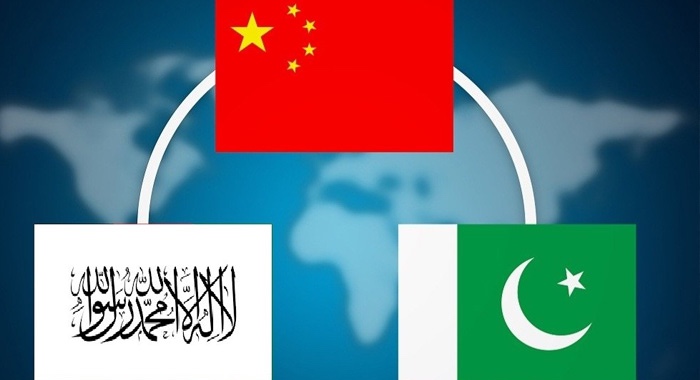
The evolving tensions between Pakistan and Afghanistan have reached a critical juncture, with diplomatic engagement narrowing and the risk of prolonged instability casting a shadow over regional security; however, China’s active mediation has emerged as a pivotal development, offering a potential pathway toward de-escalation and structured dialogue between the two neighboring states.
The deterioration in Pakistan-Afghanistan relations is no longer confined to bilateral discord but carries wider implications for regional stability. Persistent border tensions, coupled with an atmosphere of confrontation, have significantly limited the prospects for direct negotiations. The apparent closure of formal dialogue channels underscores the gravity of the situation, prompting renewed reliance on third-party facilitation to bridge the widening trust deficit.
Earlier diplomatic efforts led by countries including Saudi Arabia, Qatar, and Turkiye sought to initiate negotiations, but failed to achieve a substantive breakthrough. A key impediment remained Afghanistan’s reluctance to provide a written assurance addressing Pakistan’s concerns over the Tehreek-e-Taliban Pakistan (TTP) and its involvement in cross-border militant activities. This lack of commitment prevented meaningful progress, leaving core security issues unresolved.
In this context, China’s role as a mediator has gained increasing prominence. With established strategic ties and mutual trust shared with both Islamabad and Kabul, Beijing has positioned itself as a credible and influential intermediary. As a neighboring country with significant economic stakes in the region—particularly through the China-Pakistan Economic Corridor (CPEC) and broader Belt and Road Initiative (BRI) projects—China has a vested interest in ensuring stability and preventing escalation.
Chinese diplomatic engagement has intensified in recent weeks under a framework of shuttle diplomacy, involving high-level interactions in both Islamabad and Kabul. These efforts have included direct communication channels, including telephonic contacts, as well as multiple rounds of trilateral engagements at the working level aimed at creating a conducive environment for dialogue. Observers note that China’s intervention became particularly pronounced following heightened rhetoric and indications of potential open confrontation between the two sides.
The immediate objectives of China’s mediation include confidence-building, reduction of hostilities, and the promotion of cooperative mechanisms. Central to these discussions are the peaceful resolution of border disputes, enhanced bilateral cooperation against terrorism—particularly addressing the TTP issue—revival of economic ties, expansion of trade connectivity, and the potential extension of CPEC into Afghanistan. Ensuring the security of regional infrastructure projects linked to the BRI also remains a key priority.
Security concerns continue to dominate Pakistan’s position, with Islamabad maintaining that elements within Afghanistan are facilitating TTP activities, thereby undermining Pakistan’s internal stability. Afghan authorities, on the other hand, have been reluctant to formally acknowledge or act against the group in a manner demanded by Pakistan, further complicating the diplomatic landscape.
Analysts argue that China’s mediation holds a distinct advantage over previous efforts due to its perceived neutrality and the strategic leverage it maintains with both countries. Unlike other actors, Beijing’s approach combines economic incentives with diplomatic engagement, increasing the likelihood of bringing both parties toward a mutually acceptable framework.
However, a critical challenge remains the implementation of any prospective agreements. Past commitments, particularly concerning counter-terrorism cooperation, have faced issues of compliance and transparency. As such, the development of a robust and verifiable implementation mechanism is expected to be a central component of ongoing negotiations.
During recent talks in Urumqi, Pakistan is reported to have outlined three key demands: the formal designation of TTP as a terrorist organization by Kabul, the dismantling of its operational infrastructure, and the provision of verifiable evidence of action taken against the group. These demands underscore Pakistan’s insistence on tangible outcomes as a prerequisite for normalization.
China’s diplomatic strategy, often characterized by low-profile yet sustained engagement, appears to be yielding cautious optimism. Recent statements from Afghan authorities indicating a willingness to engage in dialogue have been viewed as a positive signal, suggesting a possible shift toward reconciliation.
Despite these developments, the path to durable peace remains contingent on mutual trust, credible commitments, and effective enforcement mechanisms. China’s role, therefore, is not only to facilitate dialogue but also to ensure that any agreements reached translate into actionable and verifiable outcomes, addressing the core issue of terrorism that lies at the heart of the Pakistan-Afghanistan impasse.



