
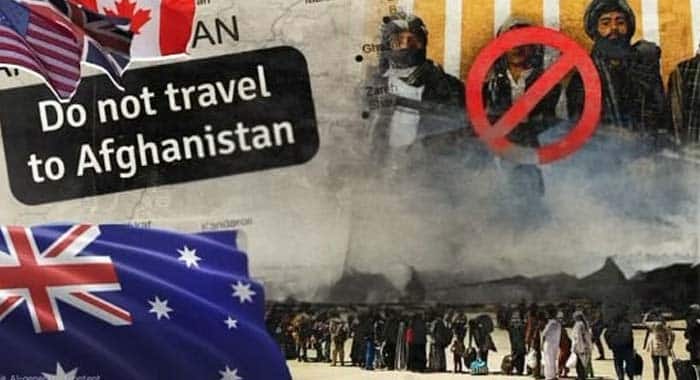
Afghanistan is facing mounting international isolation as deteriorating security conditions under the Taliban administration continue to prompt countries around the world to issue stringent travel advisories for their citizens.
The latest development comes as Australia has strongly advised its citizens against traveling to Afghanistan, citing the country’s fragile security environment and the persistent threat posed by terrorism, violent attacks, kidnapping, and civil unrest. The advisory reflects growing international concern over the overall safety situation across Afghanistan.
According to security assessments referenced by multiple governments, no part of Afghanistan can currently be considered completely safe, including the capital city of Kabul. The continuing threat of terrorist attacks, targeted violence, and an unpredictable security environment has significantly increased the risks facing both residents and foreign nationals.
Australia joins a growing list of countries including the United States, the United Kingdom, and Canada that have already issued strong travel warnings advising their citizens not to travel to Afghanistan due to the severe security risks prevailing throughout the country.
The convergence of these advisories underscores the international community’s increasing concern over Afghanistan’s internal security situation. Governments have warned that terrorist incidents can occur without warning, while the limited availability of consular services and emergency assistance further heightens the risks for foreign nationals traveling to the country.
Analysts note that the continued issuance of restrictive travel advisories by major international partners reflects broader concerns regarding Afghanistan’s security environment, governance challenges, and its growing diplomatic and economic isolation.
The latest warnings also highlight the broader impact of Afghanistan’s security challenges on international engagement. As more countries discourage travel, opportunities for tourism, foreign investment, international business, and people-to-people exchanges continue to decline, contributing to the country’s increasing isolation from the global community.
Security experts believe that restoring international confidence will require sustained improvements in public security, effective counterterrorism measures, and greater political and economic stability. Until such conditions emerge, Afghanistan is expected to remain subject to strict travel restrictions imposed by numerous countries around the world.
The continued expansion of international travel advisories serves as a clear indication of the serious security concerns surrounding Afghanistan and reinforces the cautious approach being adopted by governments seeking to protect their citizens from potential threats.



