
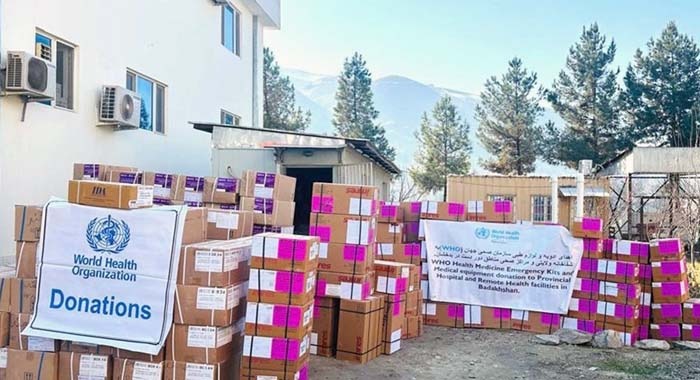
Kabul: The World Health Organization has warned that Afghanistan’s health system is deteriorating rapidly as winter intensifies, leaving millions of people increasingly vulnerable amid shrinking resources and mounting operational pressures.
According to WHO, over the past three months the agency has delivered 223 metric tons of essential medicines and medical supplies to 193 health facilities across 25 provinces. The assistance is aimed at treating respiratory infections, measles, severe acute malnutrition among children, and other life-threatening conditions that typically surge during the winter months.
Health experts caution that without additional international assistance; the humanitarian and health crisis could worsen significantly. Earlier, UN Deputy Secretary-General Tom Fletcher warned that at least 1.7 million Afghan children are currently suffering from life-threatening malnutrition, stressing that further reductions in aid could deepen the crisis.
The warning comes amid growing concerns about the safety and neutrality of healthcare delivery under Taliban rule. In a recent incident at one of Kabul’s major hospitals, armed Taliban officials reportedly intensified pressure on medical staff, summoning doctors and specialists for ideological questioning. Medical personnel said they were subjected to religious scrutiny following treatment of injured patients, raising fears about coercion, intimidation, and the erosion of medical neutrality.
Doctors working at the hospital expressed concern for their personal safety and professional independence, saying such actions have created an atmosphere of fear and uncertainty. Several clinicians reportedly hesitated to continue their duties, citing the risk of punitive measures if they fail to comply with religiously framed demands.
International observers say the episode reflects broader systemic challenges facing Afghanistan’s health sector. Years of underfunding, acute shortages of medicines, the suspension of donor-backed programs, and staffing constraints have severely weakened public health services. A recent policy assessment by the UK government highlighted how reductions in international funding have limited access to essential healthcare for millions, leaving hospitals dependent on short-term and unstable support.
The United Nations Assistance Mission in Afghanistan has also documented incidents of violence against healthcare personnel in recent months, including attacks on medical facilities that resulted in casualties among patients and staff. These developments underscore the fragility of a system already strained by political, ideological, and security pressures.
Health advocates further warn that restrictions on women’s participation in healthcare, including barriers to education and professional practice, have compounded the crisis, particularly in maternal and reproductive health services. They say that without stronger protections for medical workers and sustained international engagement, Afghanistan’s healthcare system risks further deterioration at a time when seasonal demand is rising sharply.



