
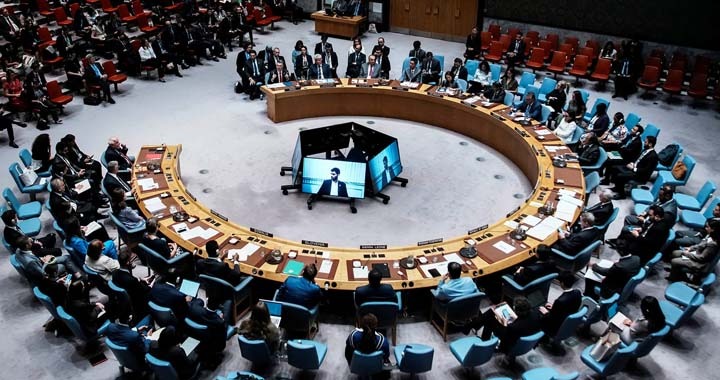
The sanctions committee of the United Nations Security Council has updated its list of sanctioned members associated with the Taliban, reaffirming travel bans, asset freezes, and arms embargoes against senior figures of the group’s current administration in Afghanistan.
According to the committee’s latest update issued on March 9, a total of 22 senior Taliban leaders remain subject to United Nations sanctions. The measures target individuals holding key positions in the Taliban-led administration, reflecting the international community’s ongoing concerns regarding governance, security, and compliance with global obligations.
Among the most prominent figures on the sanctions list is Hassan Akhund, the Taliban’s Prime Minister. Also included is Abdul Ghani Baradar, Deputy Prime Minister for Economic Affairs, and Sirajuddin Haqqani, the Taliban’s Interior Minister and a leading figure within the Haqqani network.
Other senior officials named in the updated sanctions list include:
-
Abdul Salam Hanafi, Deputy Prime Minister for Administrative Affairs
-
Amir Khan Muttaqi, Minister of Foreign Affairs
-
Abdul Kabir, Minister of Refugees and Repatriation
-
Abdul Latif Mansoor, Minister of Agriculture and Livestock
-
Mohammad Fazel Mazloom, Minister of Transport and Civil Aviation
-
Abdul Baqi Haqqani, former Minister of Higher Education
-
Din Mohammad Hanif, Minister of Economy
-
Qudratullah Jamal, Deputy for Tourism at the Ministry of Information and Culture
-
Nouruddin Tarabi, Head of Disaster Management
-
Mohammad Isa Akhund, Minister of Public Works
-
Najibullah Haqqani, Minister of Urban Development
-
Noor Mohammad Thaqib, Minister of Hajj and Religious Affairs
-
Abdul Haq Wasiq, Head of Intelligence
-
Kheirullah Kheirkhah, Governor of Maidan Wardak Province
The sanctions list also includes several other Taliban members and affiliates, among them Hamidullah Akhund, Azizur Rahman, Gul Agha Ishaqzai, Malik Nawroz, and Ahmad Zia Agha.
Under the sanctions regime maintained by the United Nations, listed individuals are subject to a series of restrictions designed to limit their international movement and financial activity. These measures include a global travel ban, the freezing of financial assets held abroad, and a prohibition on the supply of arms or related materiel.
The update underscores continued international scrutiny of the Taliban administration since its return to power in Afghanistan in August 2021. The sanctions framework remains one of the primary mechanisms used by the international community to exert pressure on Taliban leaders and encourage compliance with international norms, including commitments related to human rights, counterterrorism, and inclusive governance.
The United Nations Security Council periodically reviews and updates the sanctions list as part of its oversight of measures imposed on individuals and entities associated with the Taliban. Such updates ensure that the list reflects current roles, affiliations, and developments within the group’s leadership structure.
Diplomatic observers note that the continued presence of senior government officials on the sanctions list highlights the complex relationship between the Taliban authorities and the international community, particularly as global institutions weigh engagement with the administration against ongoing concerns over governance and security.



