
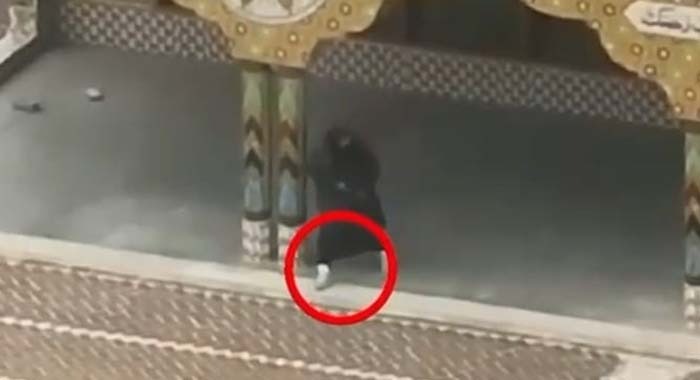
Across conflict zones and fragile states, terror groups have repeatedly turned sacred spaces into strategic assets. Mosques, by virtue of their sanctity, daily footfall, and moral shield, offer militants something no bunker or hideout can, legitimacy camouflage. This abuse of faith is not accidental, it is calculated.
Armed groups exploit mosques for multiple operational purposes. They use them as meeting points, logistics hubs, recruitment venues, weapons caches, and in some cases, firing positions. The expectation is simple, security forces will hesitate, public outrage will be immediate, and any counterterrorism action can be reframed as an attack on religion rather than a lawful security response. Faith becomes a human shield.
This tactic has been observed across regions, from militant strongholds to urban centers, where mosques are embedded within civilian life. The goal is not worship, it is insulation. When militants blur the line between religious space and militant infrastructure, they deliberately contaminate the sanctity of worship for operational survival.
Islamic history and jurisprudence are unambiguous on this matter. The precedent of Masjid-e-Dirar establishes that a structure loses its sanctity the moment it is weaponized for harm, sedition, or violence. The misuse of a mosque for terror planning or combat strips it of religious protection and places responsibility squarely on those who corrupted it, not on those restoring order.
This distinction is critical in today’s narrative battlefield. Terror groups rely heavily on emotional framing, portraying counterterrorism actions as anti-Islam while simultaneously violating the very principles they claim to defend. Their objective is not theological consistency; it is narrative dominance.
What makes this challenge more complex is the ecosystem surrounding such abuse. Militancy rarely operates in isolation. Human smuggling, narcotics trafficking, non-custom-paid goods, and informal financial channels often intersect with religious spaces precisely because they are less scrutinised. The same coordination gaps exploited by criminals are leveraged by terror networks, allowing logistics and ideology to flow side by side.
This is why modern counterterrorism cannot be limited to kinetic action alone. It requires coordinated intelligence, legal clarity, community engagement, and narrative clarity. When the state hesitates to name abuse for what it is, extremists fill the silence with distortion.
Equally important is the role of religious leadership and society at large. Silence in the face of exploitation enables normalisation. Condemning the misuse of mosques for violence is not a political position, it is a moral and religious obligation. Protecting the sanctity of faith means denying terrorists the cover they seek.
The real battle, therefore, is not between religion and the state. It is between faith and those who weaponise it. Until this line is drawn clearly and defended consistently, terror groups will continue to turn places of prayer into theatres of war, and call it piety.



